

 CEBU: The Philippines is grappling with rising food prices and soaring living costs, as disruptions to fuel and fertiliser supplies linked to the Middle East conflict continue to ripple across the economy.
For many Filipinos, the impact is being felt most acutely through rice – a staple consumed at almost every meal.
From steamed rice and garlic rice to sticky rice wrapped in banana leaves, rice is central to Filipino cuisine. Even desserts such as champorado, a chocolate rice porridge, reflect the country’s deep reliance on – and love for – the grain.
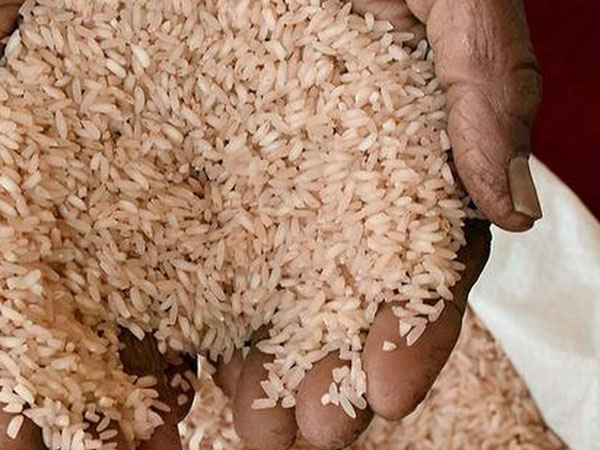
According to government statistics, the average Filipino consumes about 119kg of rice per year. As a result, even modest increases in rice prices can significantly strain household budgets.
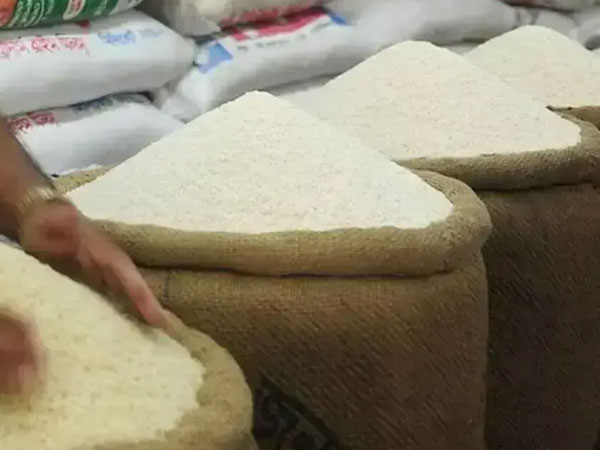
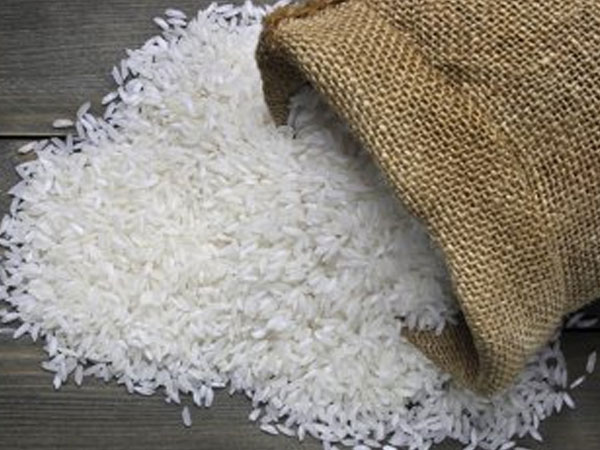
At Taboan Market in Cebu City, rice varieties ranging from locally produced to imported brands are being sold for between 50 and 60 pesos (under US$1) per kilogram.
The Philippines is the world's top rice buyer, and traders say imported rice is popular because it is often cheaper.
But prices have been fluctuating in recent weeks due to uncertainty over fuel supplies, which has driven up transportation and logistics costs.
“My concern is prices are high, but salaries are low. The salaries here in Cebu are low,” said rice trader Gunerg Oviedo.
RISING COSTS DEEPEN ANXIETIES
Many Filipinos say the cost of living has surged by as much as 30 per cent since the Iran war began on Feb 28.
Residents have voiced frustration over what they see as insufficient government support, while fears over job security are also growing.
“Our number one worry is whether our jobs will still be there for us, to provide our salary and our food,” said accountant Kathryne Repalbor.
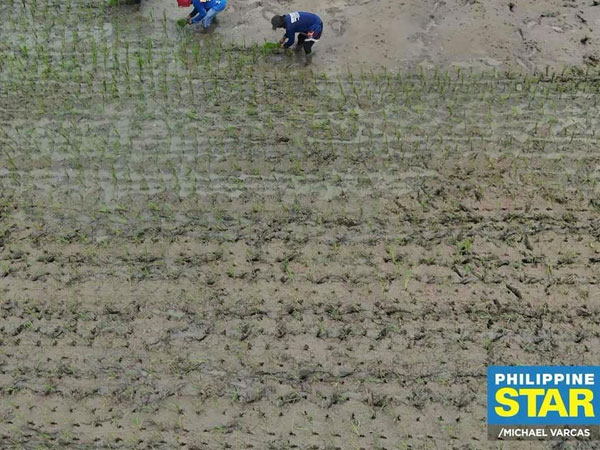
Her husband Jerwin Jay Repalbor, a farmer from Mindanao, said higher fuel costs have also caused prices of agricultural supplies such as pesticides to jump sharply.
“For me, I cannot feel the help from the government right now,” he said, adding that fertiliser prices have risen by around 30 per cent.
BUILDING RESERVES
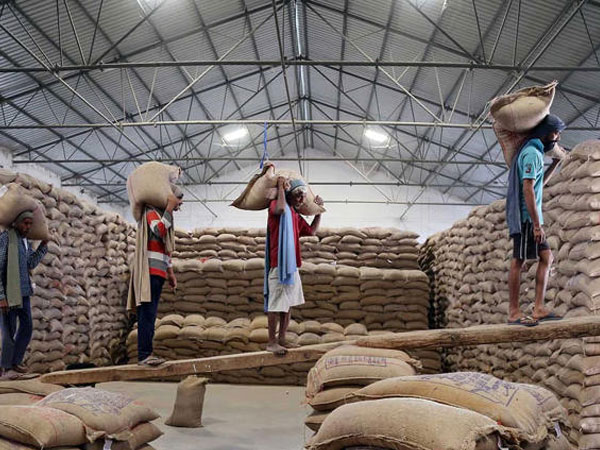
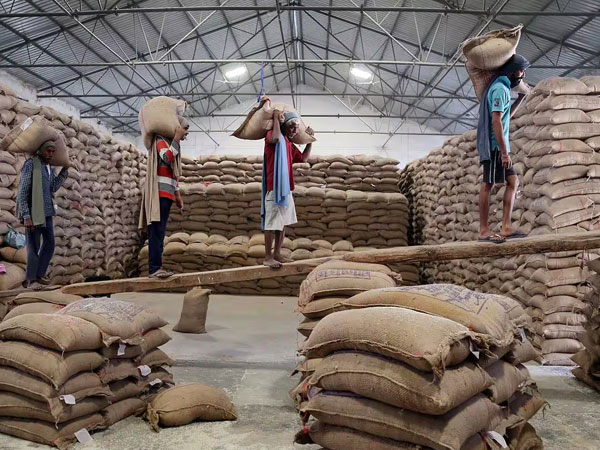
The Philippine government has already been building up rice inventories since declaring an emergency on the grain last year after severe weather damaged crops.
However, the recent oil shock has created fresh logistical challenges.
Fuel prices reportedly doubled last month to more than 140 pesos (US$2.30) per litre, placing additional pressure on the transportation of goods across the archipelago nation of more than 7,600 islands.
“Very important for us now is really the movement of food, medicines and essentials all over the country. We cannot cause any delay,” said Philippines Trade and Industry Secretary Cristina Roque.
At the Association of Southeast Asian Nations (ASEAN) summit in Cebu earlier this month, regional leaders proposed tapping the emergency rice reserve.
Under the ASEAN Plus Three Emergency Rice Reserve, shared with China, Japan and South Korea, rice is stockpiled for immediate release during disasters without disrupting market prices.
Leaders also discussed establishing a regional oil stockpile as a long-term measure to reduce exposure to future supply disruptions and economic shocks.
TOURISM SECTOR HARD HIT
The effects of the crisis are also spreading beyond food prices and agriculture, hitting Cebu’s tourism sector hard.
Tourism is a key pillar of Cebu’s economy, with the province relying heavily on visitors drawn to its beaches, diving spots and island resorts. Many residents depend on the industry for jobs ranging from transport services and tour operations to hotels and restaurants.
Cherry Baylomo, a tourism transport operator, said bookings from South Korean, Japanese and Chinese travel agencies have plunged.
She estimated cancellations at around 70 per cent, adding that tourists have been deterred by pricier tour packages and transportation driven by fuel costs.
Baylomo said some employees have already been placed on unpaid leave, while commission-based workers are struggling to make ends meet.
For many Filipinos whose livelihoods depend on tourism and agriculture, the economic strain is deepening. As fuel prices remain volatile and the cost of basic necessities continues to climb, many said they are hoping for swift government intervention to ease the burden.







© Copyright 2025 The SSResource Media.
All rights reserved.