

 Rice and corn prices in North Korean markets have surged to record highs in June 2026, deepening food shortages as growing numbers of rural households run out of grain.
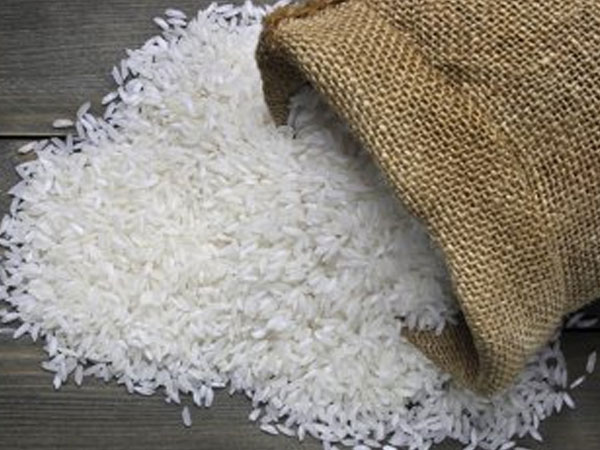
According to Daily NK’s regular survey of North Korean market prices, one kilogram of rice sold for 38,500 North Korean won at a market in Pyongyang as of June 7. That marks a 22.2% jump from the previous survey two weeks earlier.
Rice prices at markets in other regions, including Sinuiju in North Pyongan province and Hyesan in Ryanggang province, were similar on the same day. With rice now above 38,000 won per kilogram nationwide, the burden of buying food has grown sharply.
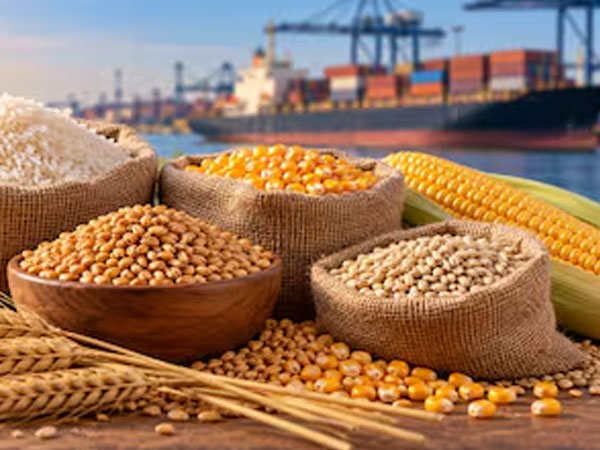
Corn rose even faster. One kilogram of corn sold for 13,700 won at a Pyongyang market on June 7, a 53.9% surge from 8,900 won two weeks earlier. Corn at a market in Hyesan cost 13,900 won per kilogram, up 52.7% over the same period.
Corn has long served as a cheaper substitute for rice. With corn now above 13,000 won, food shortages among low-income North Koreans are deepening fast.
Multiple sources inside North Korea point to seasonal factors behind the spike. Stored food from last year’s harvest is nearly exhausted, but new potatoes, wheat and barley have not yet reached markets in volume. The result is a supply gap.
Prices could stabilize somewhat after late June. New potatoes typically reach markets at the end of the month, and supplies of new wheat and barley grow around mid-July. Rice and corn prices could then ease naturally.
Cho Chung-hui, who heads the research institute at Good Farmers and studies North Korean agriculture, said early to mid-June is the leanest time of year. “Unless the country boosts food supplies through imports, grain prices will likely keep rising until new potatoes, wheat and barley reach markets in early to mid-July,” he said.
Rural households run out of food as rice prices climb
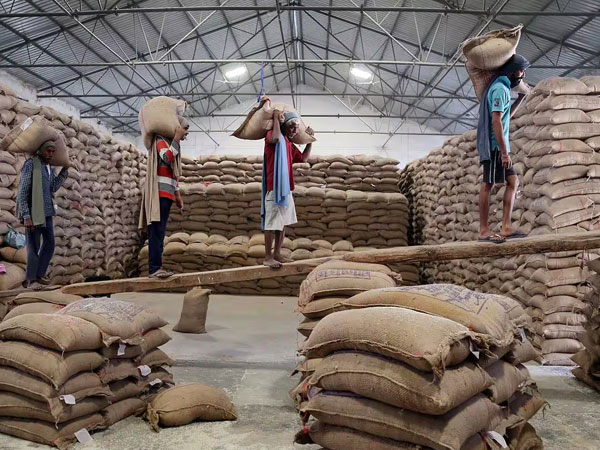
The price spike is hitting the countryside hardest. A growing number of rural households have completely run out of food. Low-income families with irregular incomes are borrowing money or grain at high interest just to keep eating.
“Households that have run out of grain are appearing all over the countryside,” a source in North Pyongan province said. “Some people are buying rice or corn with money from loan sharks, but the interest is so heavy that they worry about how they will ever repay it.”
In contrast with grain prices, market exchange rates have fallen. The won-dollar rate at a Pyongyang market stood at 65,200 won as of June 7, down 9.2% from two weeks earlier. The won-yuan rate in Sinuiju was 7,820 won, down 11.3% over the same period.
Tightened controls along the Sino-North Korean border ahead of Chinese President Xi Jinping’s visit to North Korea appear to have driven the decline. Stricter border security has squeezed smuggling and informal currency trading, temporarily reducing demand for foreign currency in markets.
“Both North Korea and China have strengthened their border security to prevent any embarrassing incidents ahead of President Xi’s visit,” a China-based source said. “Traders in the border region are keeping a low profile for now and watching how things develop.”
Some expect trade between the two countries to pick up after Xi’s visit, however. Whether exchange rates rebound or keep falling remains to be seen.







© Copyright 2025 The SSResource Media.
All rights reserved.