

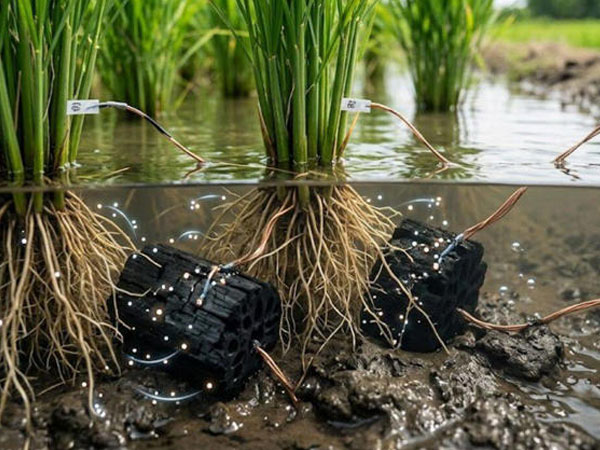
 It is only during the past decade that scientists and farm practitioners realised through experimentation that rice can also be grown under Alternate Wetting and Drying conditions
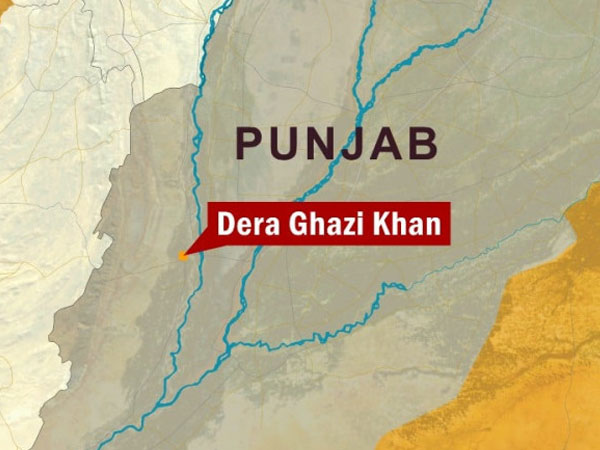
It is a welcome development for food security. Punjab farmers, who were charged with the reckless exploitation of natural resources in a quest to produce more from less, have started turning the tide in favor of environmental sustainability while maintaining productivity levels.
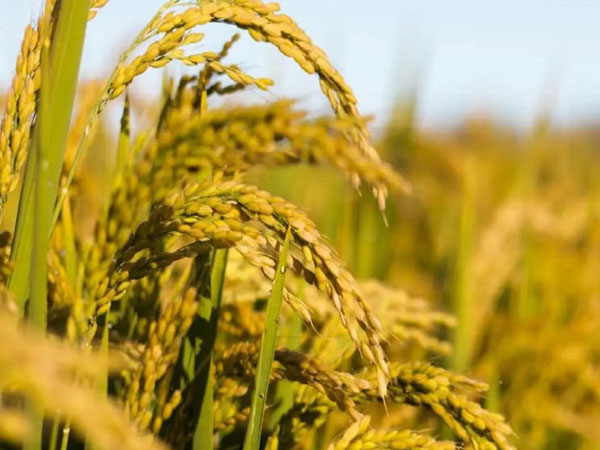
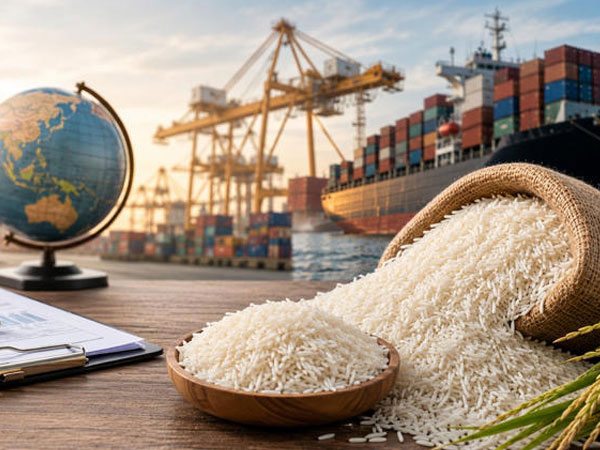
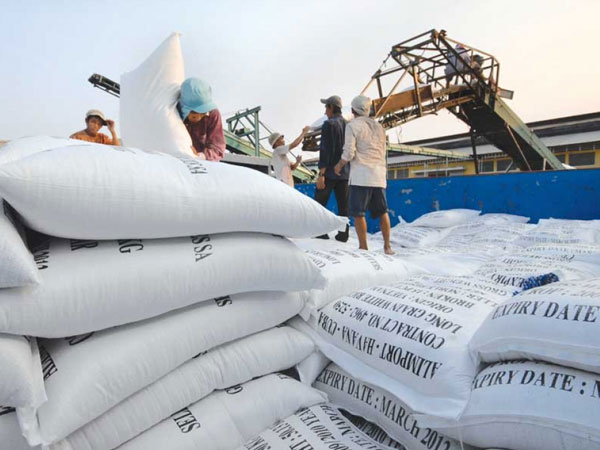
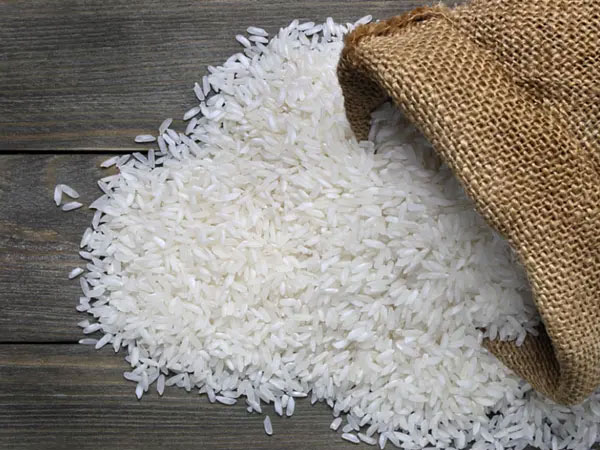
Punjab contributes about 31 per cent of its rice produce to the national food grain basket. This helps feed 80 crore Indians under the National Food Security Scheme.
Rice has never been a native crop of Punjab, as it is generally grown in regions where annual rainfall is more than 1,500 mm. Punjab receives only 550 mm of average annual rainfall. Since rice is a water-guzzling crop, Punjab meets the demand for additional water by drawing it from its subsurface aquifers. Needless to say, the underground water reservoirs, which were replenished over centuries through natural percolation, have been depleted over the last 50 years. The Central Ground Water Board has declared that if the current trend continues, subsurface water in all three aquifers of Punjab, up to a depth of 1,000 feet, will completely vanish by 2039, which is just 4,700 days away. In addition, methane, a greenhouse gas produced through oxidation-reduction chemical processes during rice cultivation in the standing water of puddled fields, is a major source of air pollution during the summers.


© Copyright 2025 The SSResource Media.
All rights reserved.