

 The inflation print in May as well as the latest Food Price Index of the Food and Agriculture Organization of the United Nations (FAO) may have given the Philippines a welcome break from a string of bad news related to the Middle East crisis. Data from the Philippine Statistics Authority (PSA) indicated that while the inflation rate in May was higher on an annual basis at 6.8 percent compared to last year’s 1.5 percent, it was lower than the 7.2 percent recorded in April. Also, FAO said its Food Price Index—the benchmark measure for world food commodity prices—eased in May compared with the April level.
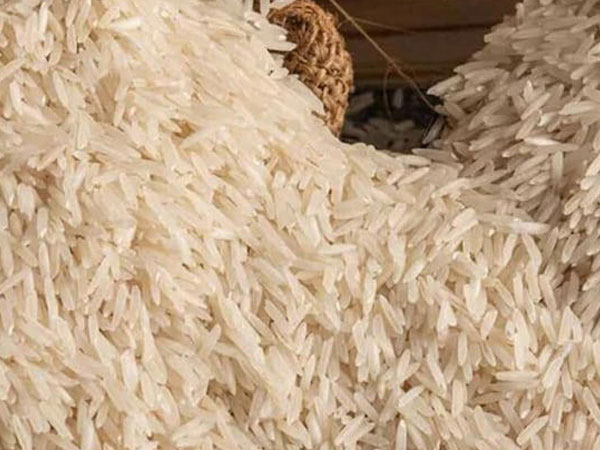
However, one thing that stands out from the data provided by PSA and FAO is the significant impact of rice. PSA said rice inflation was the single biggest contributor to the inflation print in May, when it accelerated by 15.6 percent. FAO said its All-Rice Price Index in May went up by 2.7 percent from the previous month as “weather concerns and higher crude oil and derived product prices underpinned quotations in some leading Asian exporting countries.”
What’s concerning is that the average price of the staple food still went up despite the interventions implemented by the government to keep retail prices stable in recent months. Some of the measures rolled out to prevent rice prices from skyrocketing are the sale of cheap rice in Kadiwa outlets as well as the price cap on imports, which took effect late last month. Some government officials also conducted periodic price monitoring, at least in wet markets in the metropolis, to determine the vendors’ compliance with the price cap.
Figures from the Department of Agriculture showed that the average price of regular milled rice sold in Metro Manila markets rose to P45 per kilo for the week ending May 30, higher than last year’s P38.59 per kilo. The retail prices of the well milled and premium variants were also higher at P49.74 per kilo and P54.93 per kilo, respectively. A year ago, the prices for the two variants were at P44.70 per kilo (well milled) and P51.63 per kilo (premium).
These developments have been largely influenced by the ongoing Middle East conflict, which has made key inputs like fertilizer more expensive. The increase in the cost of production is discouraging some farmers from planting the crop, while others are reducing their fertilizer application, which could result in low yield. The threat of El Niño will also put pressure on farmers who will surely incur losses if they make the wrong call.
Rice planters and consumers are counting on the government to come up with a viable plan and the necessary interventions that will counter the negative impact of geopolitical tensions as well as weather-related shocks on food prices and the local agriculture sector. Policymakers will have to be more proactive to enable the Philippine agrifood sector to feed the nation even in the face of natural and man-made calamities.




© Copyright 2025 The SSResource Media.
All rights reserved.