

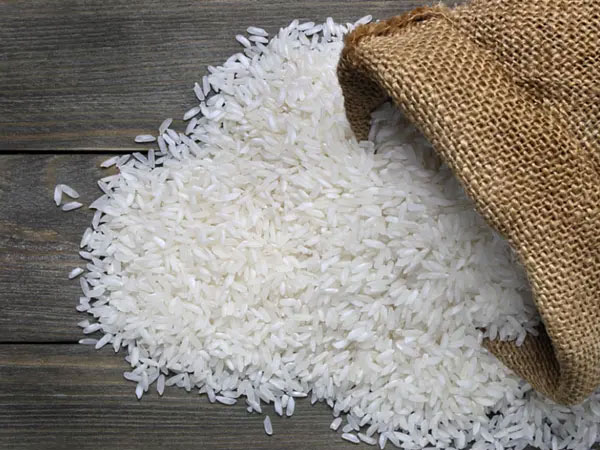
The Philippine government is taking early action to set rice purchase prices before the harvest season, aiming to shield farmers from financial losses as El Niño and increasing production expenses loom. The National Food Authority will announce standard rates for both wet and dry palay ahead of harvesting, intending to keep rice cultivation profitable and offer farmers clear price expectations.
This season, the NFA plans to buy grain sooner and at elevated prices compared to prior periods, marking a more assertive procurement approach. The Department of Agriculture stated its goal is to give rice growers confidence that planting remains a viable and profitable activity in the upcoming season, while also gearing up for possible supply strains from El Niño and elevated input costs.
Agriculture Secretary Francisco P. Tiu Laurel Jr. said the president's instruction is to guarantee that farmers earn fairly and avoid losses in the next harvest despite expensive fertilizers. The NFA will establish its palay purchase prices before harvesting commences, providing farmers early insight into possible returns and creating a reference point for private buyers. Tiu Laurel noted that before the national harvest begins, the NFA will set a price of 22 Philippine pesos per kilogram for wet palay and 27 pesos per kilogram for dry palay, aiming to create an industry benchmark and help farmers achieve reasonable profits.
NFA Administrator Larry Lacson promised that the agency would take a more active role. He explained that unlike the dry season, when the NFA entered later and mainly matched prices from private traders, the agency will be more proactive this season, purchasing early and at higher rates. This policy change occurs as the dry season harvest concludes, with the NFA having bought dry palay at 25 to 30 pesos per kilogram. Lacson added that the NFA is milling a large portion of its buffer stocks to clear warehouse space for upcoming harvests.
Alongside protecting farmer incomes, the government is strengthening retail enforcement to ensure consumers benefit from reduced rice prices. It has ramped up market inspections nationwide to uphold the 50-peso-per-kilogram price ceiling on imported rice with 5 percent broken grains. Recent checks in Metro Manila and other areas revealed instances of overpricing and mislabeling, with authorities finding rice sold above the cap and incorrect labeling of rice varieties. Several violation notices have been issued to retailers disobeying the government order.
Assistant Secretary Wiann Angsiy stated that as long as the price cap remains, authorities will keep conducting unannounced inspections in markets across the country. The DA emphasized that these aggressive actions support the government's strategy to reduce food inflation and enhance access to affordable rice. Retailers have expressed concerns that the price cap might compress their margins, citing some suppliers selling imported rice at high costs. Angsiy said authorities will look into those suppliers, adding that if retailers claim they cannot profit due to supplier prices, they must identify those suppliers so authorities can target importers or wholesalers selling far above acceptable levels.




© Copyright 2025 The SSResource Media.
All rights reserved.