

 BMI Fitch Solutions expects elevated weather risks to global grain production in the 2026/27 season as an El Niño event is increasingly likely to emerge from mid-2026, with the phenomenon posing varying risks across major crops and producing regions.
According to the US National Oceanic and Atmospheric Administration’s Climate Prediction Center (CPC), there is an 82% probability of El Niño conditions developing during May-to-July 2026, with risks expected to intensify through the second half of the year.
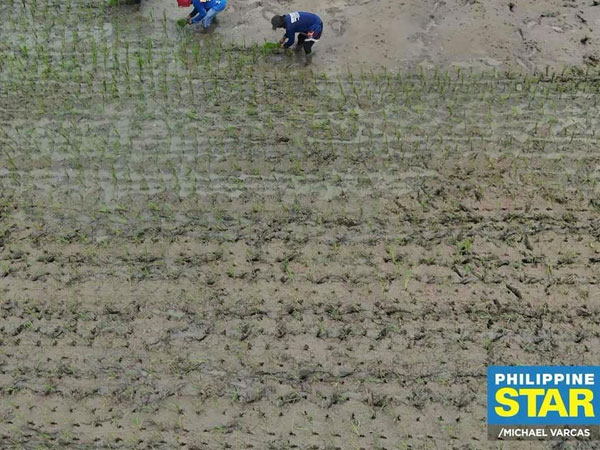
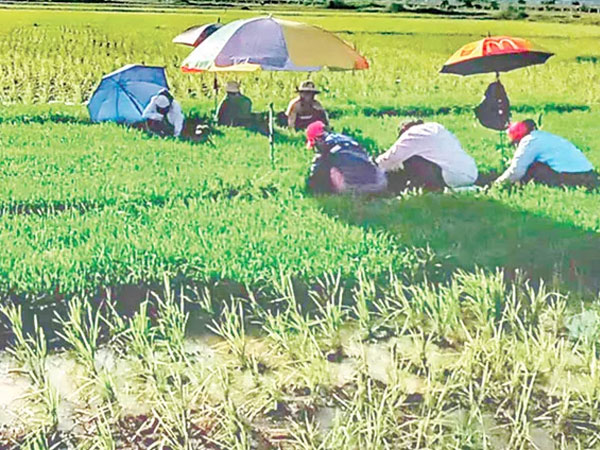
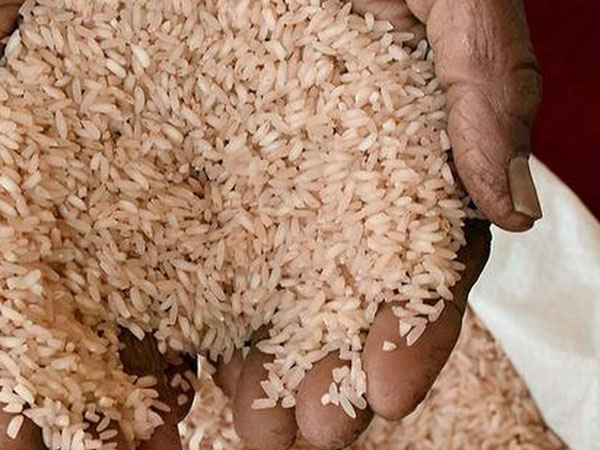
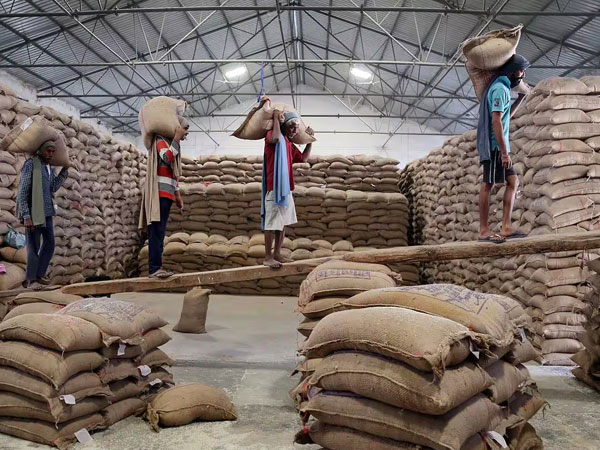
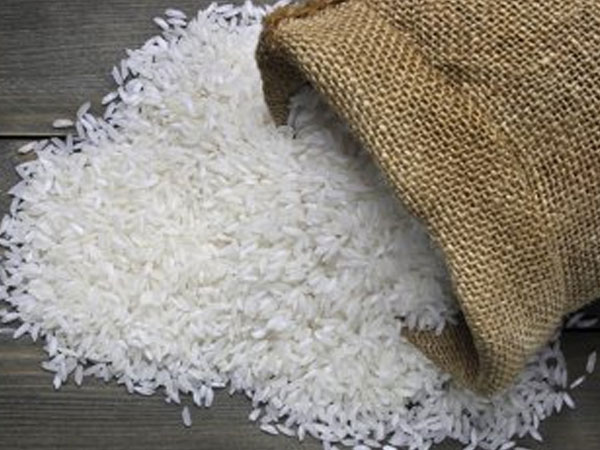
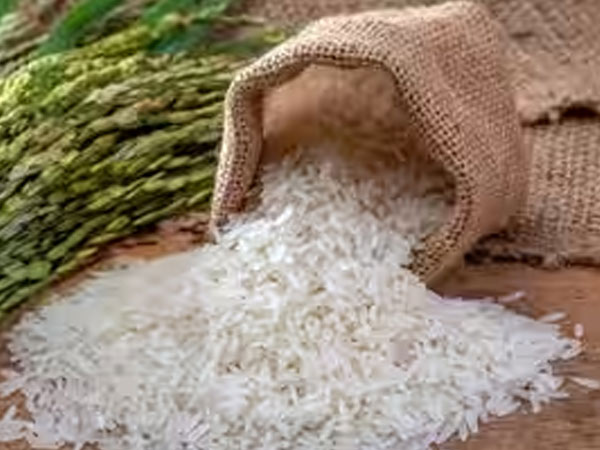
BMI noted that rice production remains vulnerable due to the heavy concentration of output in South and South East Asia, where El Niño typically suppresses monsoon rainfall.
However, near-term risks are expected to remain partially contained as crop calendars in countries such as India, Pakistan, and Cambodia may shield crops during key development stages.
Thailand and Myanmar are seen as more exposed due to greater overlap between crop growth periods and intensifying weather risks.
The report warned that rice crops planted from the fourth quarter of 2026 could face stronger downside risks if rainfall weakens further across key producers including India, Bangladesh, Indonesia, and Thailand.
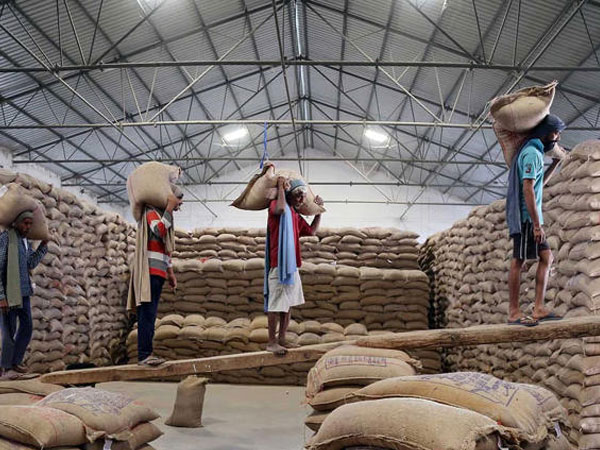
Any significant supply disruption may also trigger export restrictions similar to India’s measures in 2023, potentially lifting global rice prices.
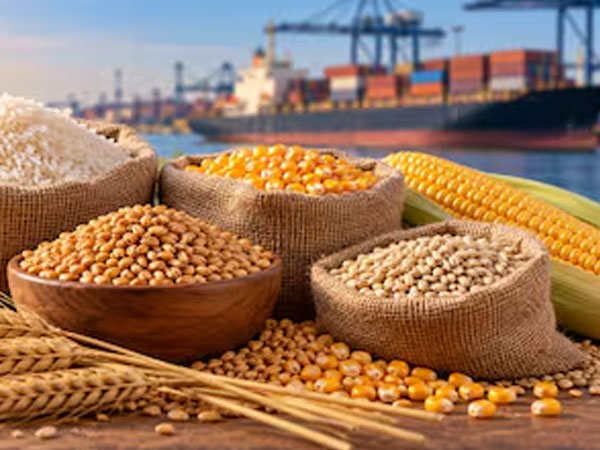
BMI identified wheat as one of the most exposed grain markets under the projected El Niño event, particularly across India, Pakistan, Australia, Mainland China, and Argentina.
The report highlighted that planting and early crop development in India and Pakistan coincide with the period when stronger El Niño conditions are expected, raising the risk of lower yields due to insufficient rainfall.
For corn, the outlook remains mixed and region-specific. While increased rainfall in the United States and Argentina may support crop development, drier weather in Brazil’s Centre-West safrinha belt could weigh on yields.
Meanwhile, the impact on Mainland China is expected to remain limited as crop development may conclude before peak El Niño intensity.
In contrast, BMI said soybeans could benefit from El Niño conditions, especially in Argentina and southern Brazil, where above-average rainfall typically improves soil moisture and supports crop establishment.
This could strengthen South American soybean supply and place downward pressure on global soybean prices into early 2027.
Overall, BMI emphasized that the timing and intensity of El Niño will remain the key factors determining the extent of crop damage, adding that uncertainty over the strength of the weather event remains elevated.






© Copyright 2025 The SSResource Media.
All rights reserved.