

 Oversupply drags down Thai and Vietnamese export prices more than 30%
Rice farmers protest against falling prices in Bangkok in March. (Photo by Kosuke Inoue)
KOSUKE INOUE, YUJI NITTA and TOMOYOSHI OSHIKIRI
April 10, 2025 05:06 JST
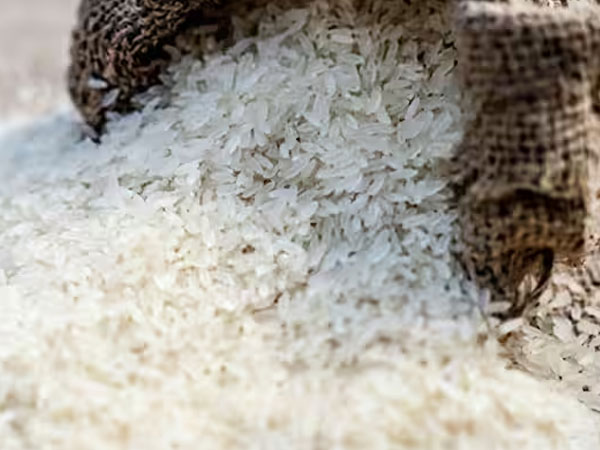
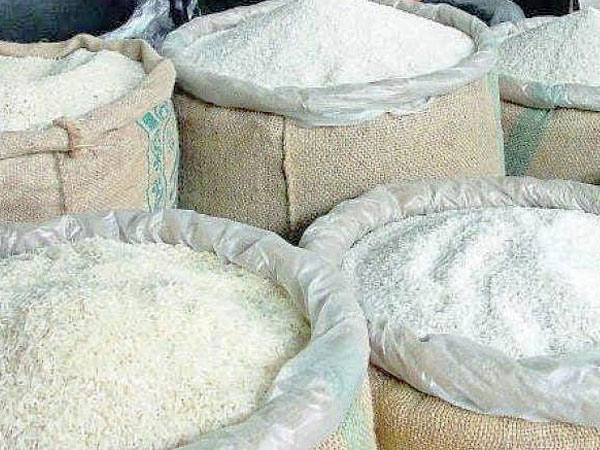
BANGKOK/HANOI/JAKARTA -- Prices in Southeast Asian rice markets are plunging because of oversupply after India resumed exports of the staple grain.
White rice export prices in Thailand were $412 a tonne this month, according to the Thai Rice Exporters Association, down 31% from $599 per tonne a year ago.
This is the largest price drop in 11 years for the month of April.
In September, New Delhi lifted export restrictions on white rice other than basmati that had been in place since July 2023. India last month also started allowing exports of cheaper broken rice, used in processed food. Most analysts say the international price of white rice will continue to drop.
Thailand is the world's second-largest rice exporter by volume, according to data from the 2022-2023 season. Agriculture accounts for less than 10% of gross domestic product, but a lack of willingness by Thai rice farmers to grow the crop will affect food security at home and abroad.
Last month about 300 farmers demonstrated in Bangkok, calling on the government to act on cratering prices. "If the rice fields die, the country dies," read a sign at the gathering.
A woman in her 50s who was demonstrating demanded the resignation of Commerce Minister Pichai Naripthaphan, whose ministry is in charge of exports.
"The government doesn't care about the plight of farmers," she said.
In Vietnam, the world's third-largest rice exporter, prices have fallen steeply as well. Export prices are currently around $400 a tonne, about 40% lower compared with the end of 2023, according to the Vietnam Food Association.
Vietnamese media report prices are at the lowest point in nine years. In some cases, Vietnamese rice is cheaper than Thai or Indian varieties. Some expect this year's export volume to be 20% lower than last year.
India is the world's leading exporter, accounting for 40% of the global share, according to the U.S. Department of Agriculture. Exports from India surpass those of Thailand and Vietnam combined.
Measures taken by importing nations are also hurting farmers in Thailand and Vietnam.
Indonesia, the world's fourth-largest rice consumer, will halt imports this year. President Prabowo Subianto, who took office in October, is promoting more agriculture to make good on a pledge to attain food self-sufficiency by early 2026.
The Philippines declared a food security emergency in February in an attempt to control inflation. The government released rice stockpiles into the market, lowering prices.
In recent weeks, there appears to be an increasing number of rice importers in the Philippines attempting to negotiate lower prices.
"Because rice is the staple food in Southeast Asia, rice prices are an issue that directly affects people's lives," said Tetsuya Kaneko, chief analyst at the Marubeni Research Institute. "With importing countries trending toward improving self-sufficiency rates, export volumes from countries such as Thailand and Vietnam will face downward pressure in the medium to long term."
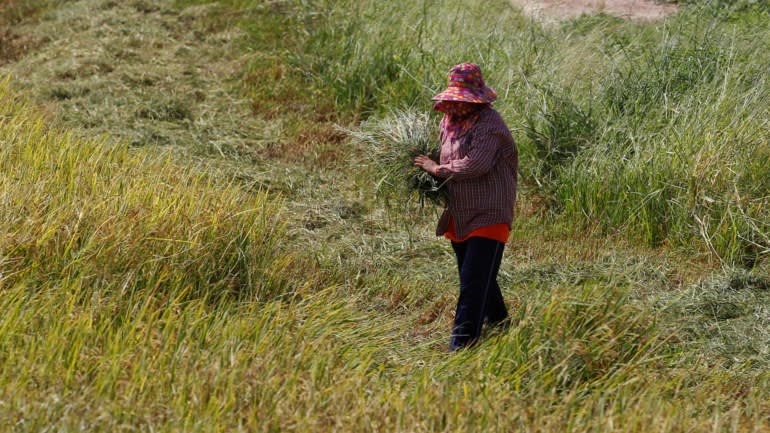
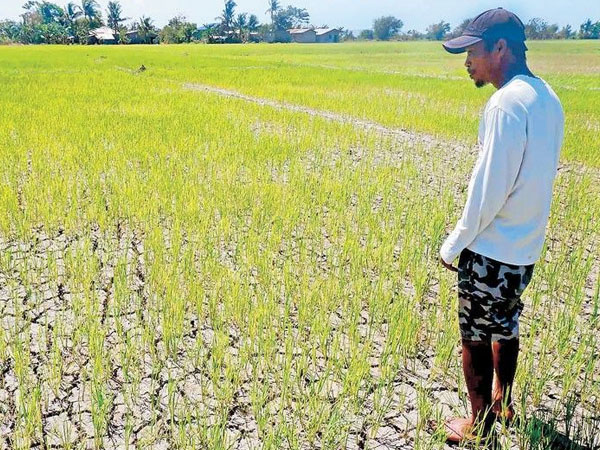
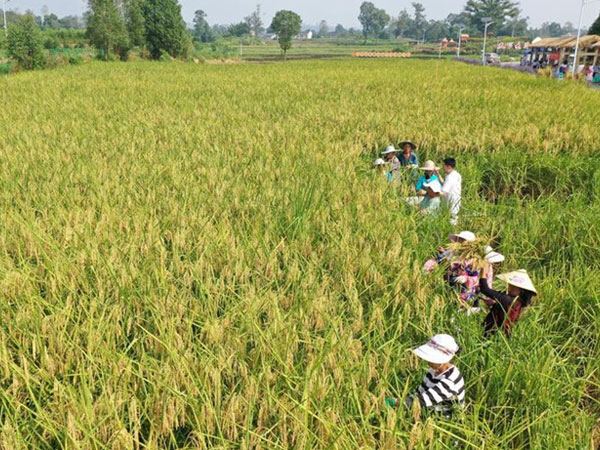
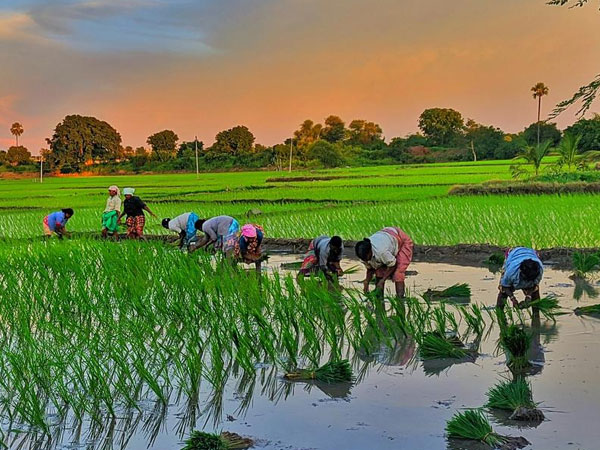
A rice farmer in a field north of Bangkok. Rice suppliers in Thailand and Vietnam face steeply reduced export prices.
Rice exporters are taking steps to mitigate the fallout. Last month, the Thai government said it held talks with India and Vietnam to stabilize export prices by adjusting export volumes and avoiding excess competition.
No concrete agreement has been reached, but the parties intend to continue discussions.
That same month, Vietnamese Prime Minister Pham Minh Chinh called on financial institutions to support farmers by easing interest rates. The Ministry of Finance is set to provide tax relief for rice producers.
Japan, which is facing a historic rice shortage, hosted an international food expo in March where the government of Thailand promoted its rice. Vietnam has also identified Japan as a promising export destination on par with the U.S. and Africa.
But unlike Thailand and Vietnam where long-grain rice is the norm, Japan consumes mostly short-grain varieties. This wrinkle explains much of the discrepancies between the three markets.
Kenichi Shimomura, head of the Asia Japan desk at the German consultancy Roland Berger, says Japan rice demand is greater than what was witnessed during the rice shortage in the early 1990s. Japan imported Thai rice on an emergency basis back then.
"The key is how much cheaper [imports] can be compared to Japanese rice," said Shimomura.


© Copyright 2025 The SSResource Media.
All rights reserved.