

 Global agricultural commodity prices are witnessing a sharp rally, driven by severe climate disruptions and geopolitical uncertainties in the Strait of Hormuz and the Red Sea that have compressed supply chains and inflated logistical costs.
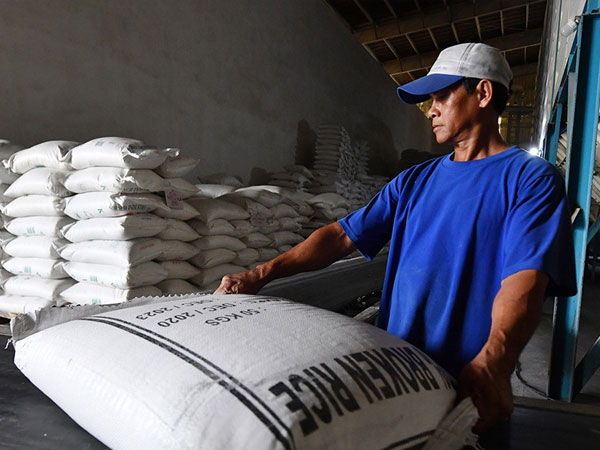
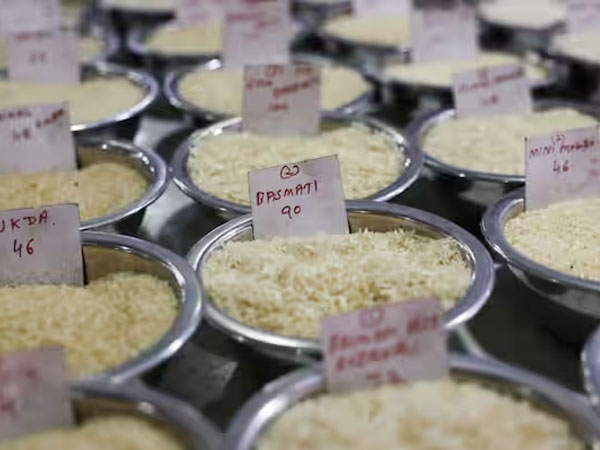
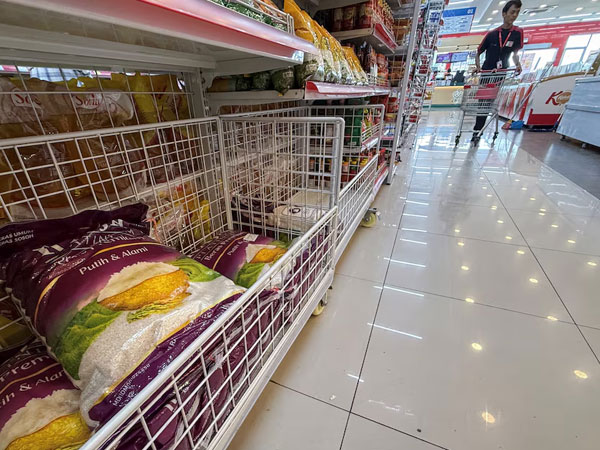
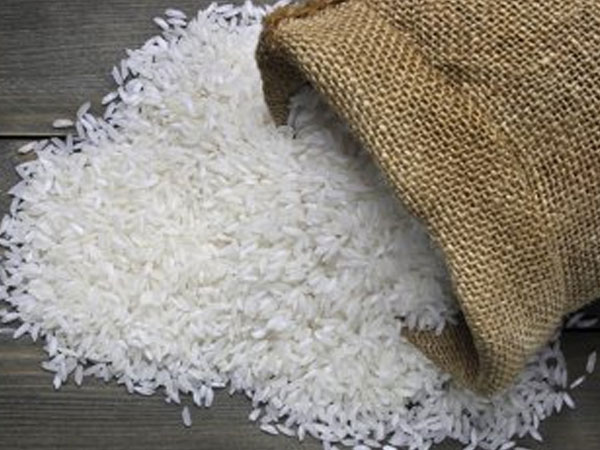
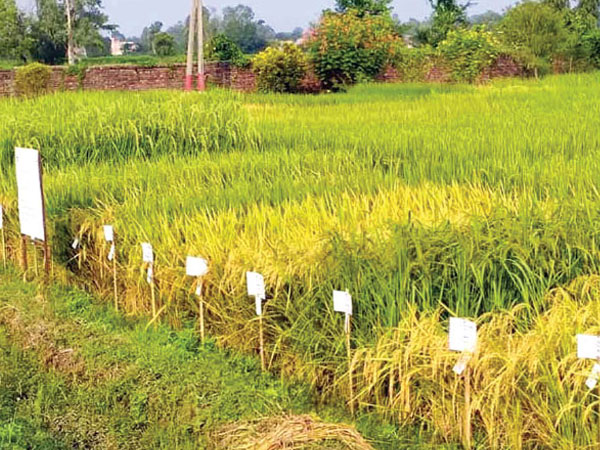
Rice prices have hit two-year highs, pressured by tight supplies and rising logistical expenses, with container costs surging from $5,000 to nearly $55,000. A Food and Agriculture Organisation (FAO) report projects a 2.4% year-on-year decline in global rice production. India's rice output is expected to fall by nearly 6.5% to 144 million tonne, compared to 154 million tonne last year. In international markets, rice futures have surged between 30% and 70%.
Raw sugar futures have gained nearly 8% in October and are up almost 40% from their July lows. Major producing regions, including Brazil, India, Thailand and the European Union (EU), are facing crop reductions of 10% to 20% due to adverse weather. The EU is looking at a 19% cut, while Thailand's production is seen declining by 17%. A global raw sugar deficit of 3 to 3.5 million tonne is projected for the current season. A United States Department of Agriculture (USDA) report suggests India's sugar output could decline by 14% to 29.5 million tonne, with early crushing set to begin next week. Overall, sugar prices have seen a 35% increase.
Cotton prices have reached two-month highs, with a World Agricultural Supply and Demand Estimates (WASDE) report forecasting a decline in global production to around 25.8 million tons this year. Among industrial agricultural commodities, cotton has gained 25% and rubber is up 44%.
Crude oil prices are supporting biofuel demand, with 27% of global vegetable oil currently being diverted to biofuels. A USDA report anticipates a 30% to 32% increase in vegetable oil usage for biofuels. Consequently, soybean and soybean oil prices have gained 20% to 40%, while rapeseed oil is up 23%.








© Copyright 2025 The SSResource Media.
All rights reserved.