

 El Nino-related monsoon risks and rainfall deficits could impact agricultural production, food supply chains, business costs, and inflation in India, says D&B report
Weaker sowing in rice, maize and cereals warrants monitoring, according to a report titled ‘Economic impact of monsoon deficit in India: Production, supply chain and price risks’.
Published by Dun & Bradstreet, the report said El Nino-related monsoon risks and rainfall deficits could impact agricultural production, food supply chains, business costs, and inflation in India.
The total kharif sowing was 1.1 per cent lower year-on-year on October 5, while foodgrain acreage was down 1.6 per cent. Although modest, these declines matter because they include crops with a large weight in India’s foodgrain basket, it said.
“Current sowing trends are therefore an early warning, not a measure of eventual output; production losses will depend on whether rainfall deficits, moisture stress and higher temperatures persist through critical crop stages,” it said.
Rice 3.5% lower
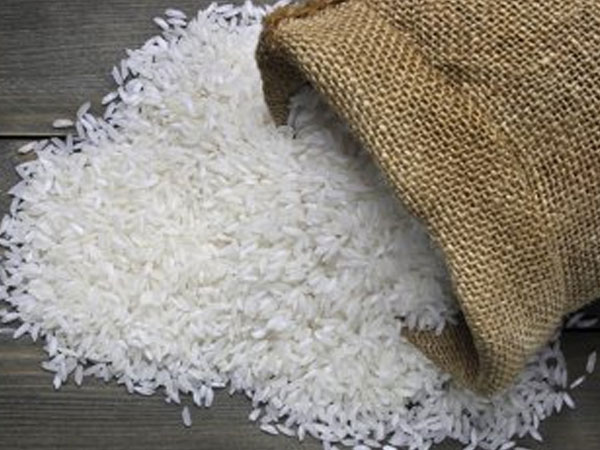
Terming rice as India’s dominant foodgrain, the report said it constitutes a major component of the public distribution system. It is an important input for milling and packaged-food businesses.
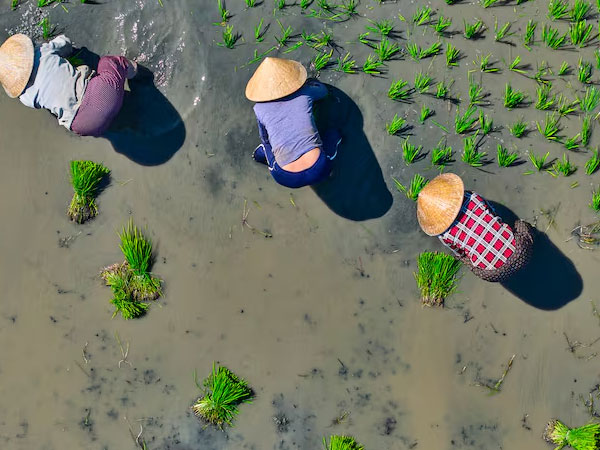
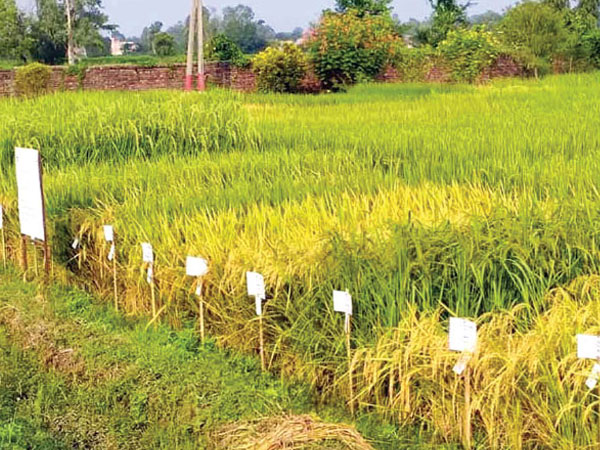
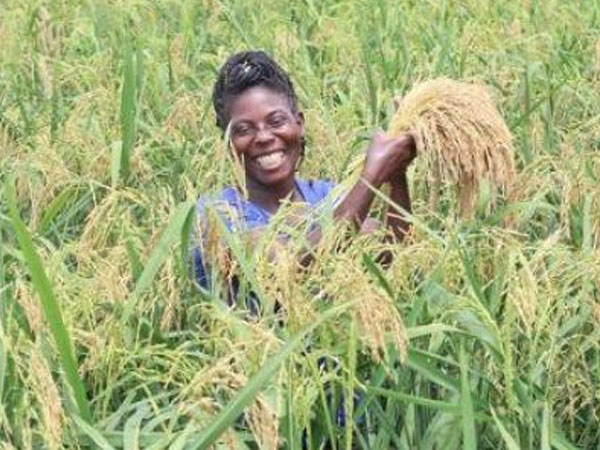
Rice warrants particular attention, as its acreage was 3.5 per cent lower year-on-year (October 5).
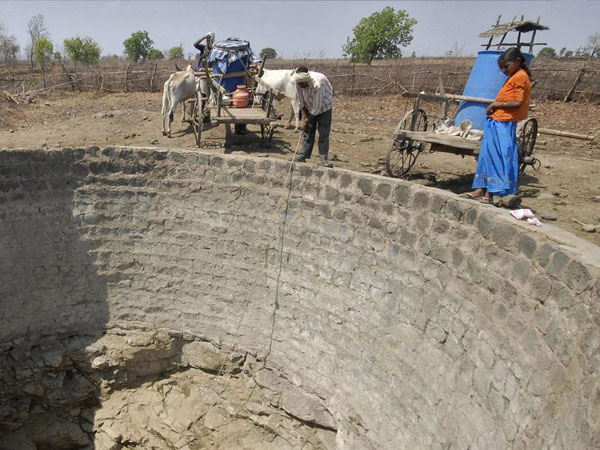
The crop remains dependent on sustained moisture availability through most of its growth cycle. Yield performance will largely determine production outcomes, as it remains sensitive to moisture stress during key growth stages.
Favourable crop conditions in other regions, together with substantial public rice stocks, can absorb moderate losses before they materially affect food availability, procurement operations or downstream food businesses.
“The key question is therefore not whether rice output weakens, but whether any decline is large enough to overcome existing supply buffers and influence market conditions,” the report said.
Maize down 2.9%
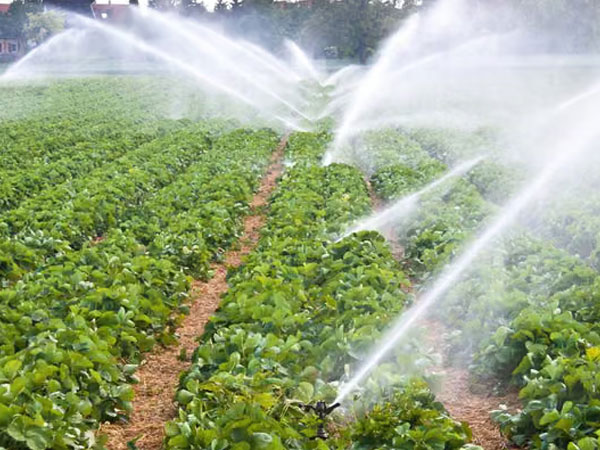
However, maize has wider economic exposure because it feeds poultry, livestock and aquaculture. It is also used in starch, processed foods, alcohol and ethanol. Maize acreage was 2.9 per cent lower year-on-year (October 5), while yields remain vulnerable during flowering and grain filling, when yield losses can occur even after planting has been completed.
“Unlike rice, where public stocks can absorb part of a production shortfall, maize shortages tend to affect commercial supply chains more directly. If lower yields reduce market arrivals, feed costs could rise for poultry, dairy and livestock producers, while input costs increase for starch manufacturers, food processors and ethanol producers. The impact on businesses will depend on the extent of supply tightness and their ability to substitute inputs, diversify sourcing or pass through higher costs,” it said.
Other cereals slip 2.3%
As of October 5, the decline in cereal acreage was 2.3 per cent. It said that monitoring should focus on current rainfall, soil moisture and crop conditions in key producing states, as simultaneous yield losses across cereal belts would weaken diversification buffers.
Mentioning that pulses face a different risk, the report said imports can partly offset moderate domestic shortfalls, but they also expose supply to global prices, exchange rates and trade policy. The main concern is therefore greater procurement uncertainty and cost volatility rather than an immediate shortage, although a broad-based production decline could still tighten supplies and raise costs for processors.
Production concentration
It said production concentration determines whether local weather stress becomes nationally significant. Madhya Pradesh, Rajasthan, Telangana, Maharashtra and Andhra Pradesh accounted for 1,400.3 lakh tonnes, or 37.7 per cent, of foodgrain output across the 20 states analysed in 2025-26.
Monitoring should therefore focus on whether crop conditions deteriorate simultaneously across these major producers, as losses across several states would be difficult to offset elsewhere.
Given their varied crop mix, covering wheat, rice, maize, millets and pulses, any production shock would affect specific commodity markets and supply chains rather than create a uniform foodgrain shortage, it said.
However, the report said strong rice inventories and adequate wheat reserves mean that a moderate production setback can be absorbed without an immediate impact on consumer prices.
Businesses exposed to maize, pulses or region-specific supply chains cannot rely on the same protection and may face procurement pressures well before food inflation becomes evident in official data, it said.
Rajasthan and Maharashtra account for a significant share of cereal-related businesses, while Maharashtra alone represents 21 per cent of businesses engaged in cereal-, grain- and seed-based feed manufacturing.
Andhra Pradesh and Telangana also host notable concentrations of rice-related businesses, including rice mills and processors. In these ecosystems, production stress can translate into supply disruptions, cost inflation, stretched payment cycles and elevated counterparty risk across interconnected firms. For businesses, the key risk is therefore not crop failure in isolation but concentration risk.
Inflation
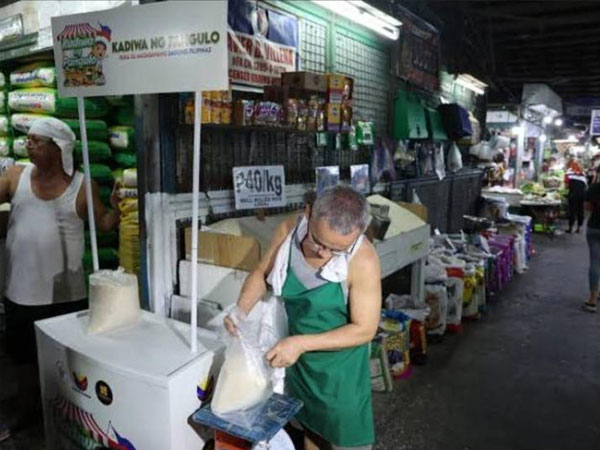
The report said that a weak harvest does not automatically become an inflation shock. Supply stress reaches consumers only when production losses are large enough to overwhelm the system’s existing buffers, including inventories, market releases, imports and substitution effects.
“Those buffers are strongest for rice and wheat, where public stocks can absorb temporary disruptions and buy time for policymakers. They are considerably weaker for crops such as maize and pulses, where demand spans food, feed and industrial uses and supply pressures can translate into prices more quickly.” it said.






© Copyright 2025 The SSResource Media.
All rights reserved.