

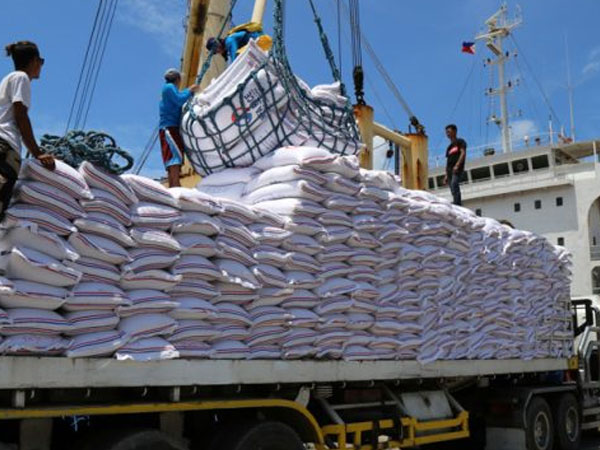
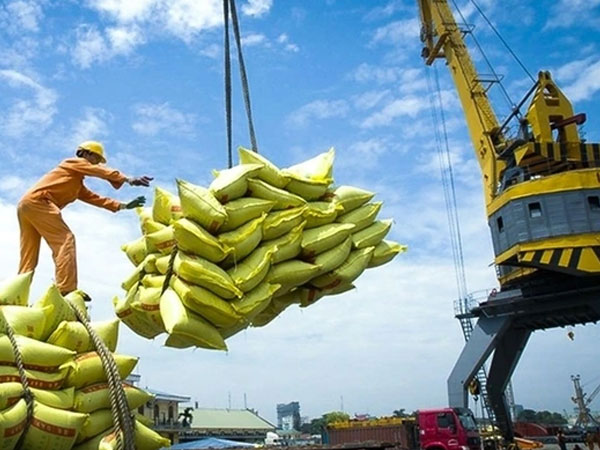
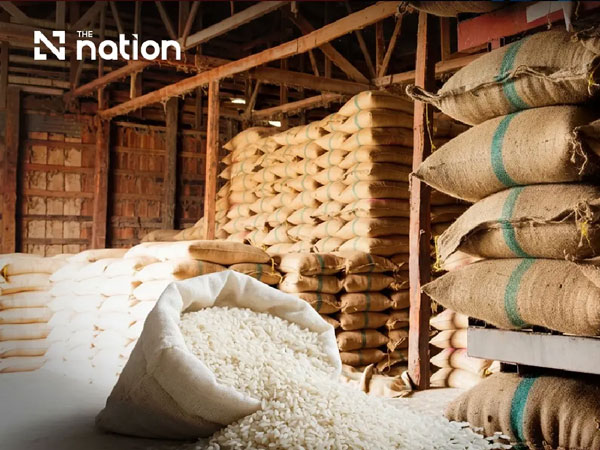
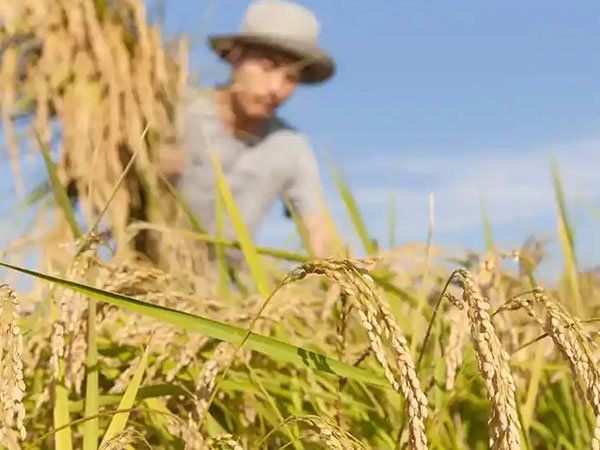
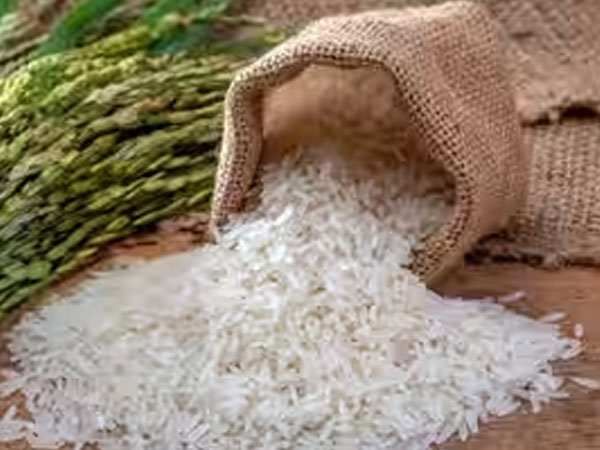
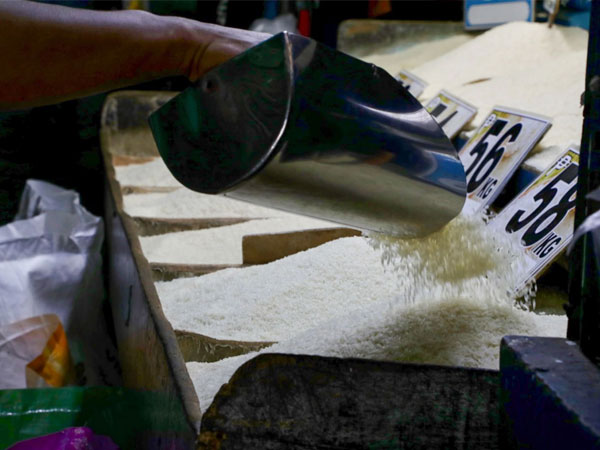
 Rice importers may be required to purchase locally produced rice equivalent to 50 per cent of their intended import volumes before being granted permits to bring the commodity into Ghana, under a proposed government policy.
Finance Minister, Dr Cassiel Ato Forson announced the proposal as part of measures to reduce Ghana’s dependence on imported rice, guarantee markets for local farmers and stimulate domestic production.
Speaking during an interactive engagement with students and the Kwame Nkrumah University of Science and Technology (KNUST) community on the New Economy, he explained that an importer seeking a permit to bring in 100,000 metric tonnes of rice could be required to show evidence of having purchased 50,000 metric tonnes from local farmers.
He said the government needed to adopt deliberate measures to protect domestic agricultural production and ensure that rice imports did not undermine the livelihoods of Ghanaian farmers.
Dr Ato Forson also announced plans to introduce stricter public procurement regulations requiring government-funded institutions to prioritise locally produced rice, particularly for feeding students under the Free Senior High School (Free SHS) programme.
He questioned why local rice farmers continued to struggle to secure markets despite the government’s annual expenditure of approximately GH¢4.5 billion to GH¢5 billion on the Free SHS programme, of which about GH¢3.5 billion goes towards feeding students.
He argued that public expenditure should be used to create markets for local producers and ensure that taxpayers’ money supports domestic businesses.
The Finance Minister cited the textile industry as another sector that could benefit from stricter local procurement requirements.
He questioned why government continued to source uniforms for security agencies from foreign suppliers while local manufacturers, including Juapong Textiles and Akosombo Textiles, struggled to remain operational.
He said prioritising locally manufactured uniforms for the military and police would create employment opportunities and support the revival of the domestic textile industry.
Dr Ato Forson said the government intended to translate some of the proposed measures into legislation, with sanctions for individuals and institutions that violate the new procurement requirements.
He said the broader objective was to use government spending and trade policies to strengthen local industries, expand employment opportunities and accelerate economic transformation.




© Copyright 2025 The SSResource Media.
All rights reserved.