

India’s rice exports are projected to decline by 4% to 24 million tonnes (MT) in 2027 as lower supplies of broken and white rice and rising domestic prices limit the volume available for overseas markets, according to the United States Department of Agriculture (USDA).
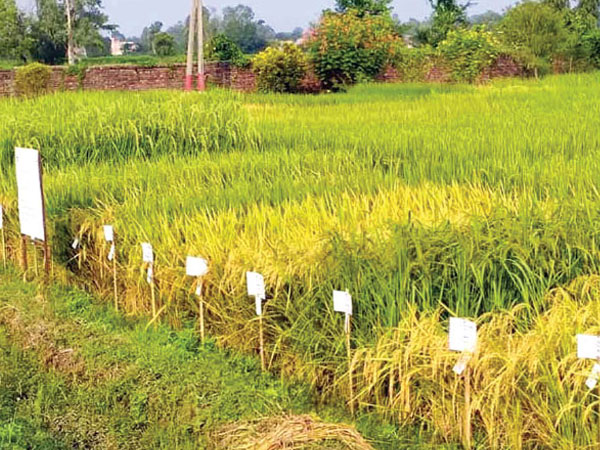
The outlook follows a projected 4.5% fall in India’s rice production to 147 MT in the 2026-27 crop year. The expected decline comes amid weaker monsoon conditions and a contraction in the area under paddy cultivation, raising concerns about the exportable surplus of the world’s largest rice exporter, reported The Financial Express.
India’s Rice Production May Fall For First Time In A Decade
India produced 154 MT of rice in the 2025-26 crop year, becoming the world’s largest rice producer. The USDA’s latest projection, if realised, would mark the first annual decline in output since 2015-16.
Suraj Agarwal, co-founder and CEO of rice exporter and marketer Rice Villa, attributed the expected fall to an El Niño weather pattern and poor monsoon conditions.
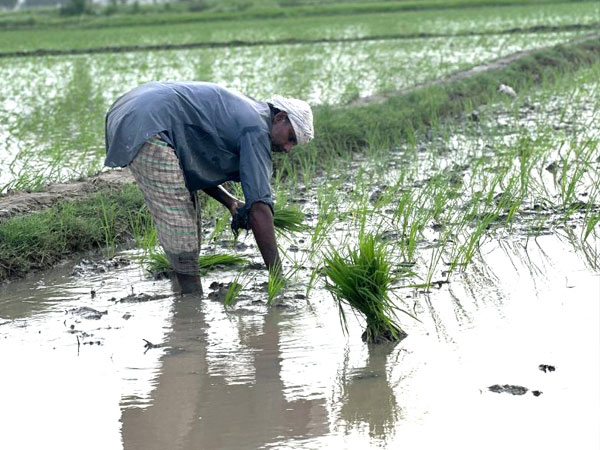
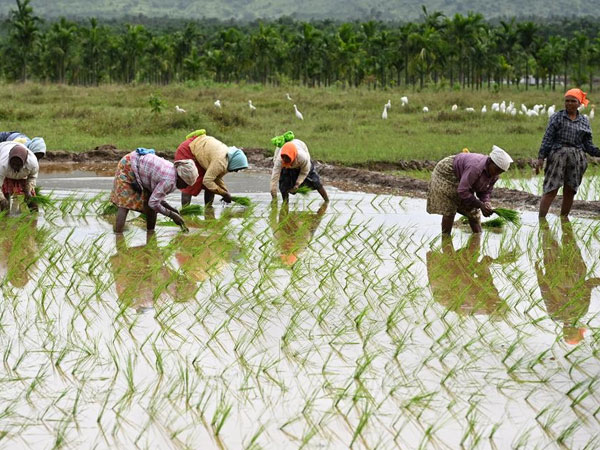
The area under paddy during the current kharif season has declined by 3.7% to 42.92 million hectares, compared with the previous season. Karnataka recorded a reduction of 0.46 million hectares, Telangana 0.43 million hectares, Andhra Pradesh 0.18 million hectares and Tamil Nadu 0.15 million hectares.
Rice Prices Rise As Supplies Tighten
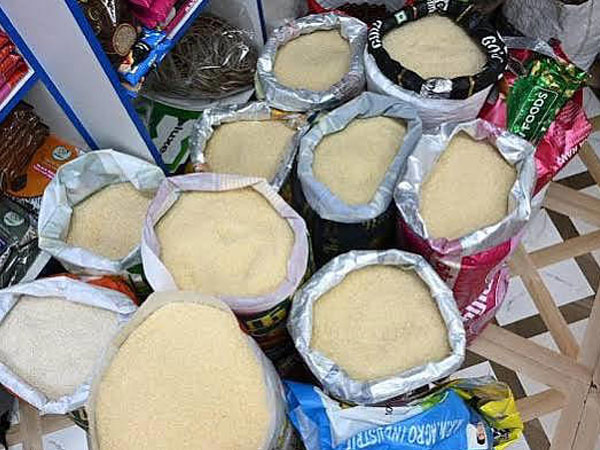
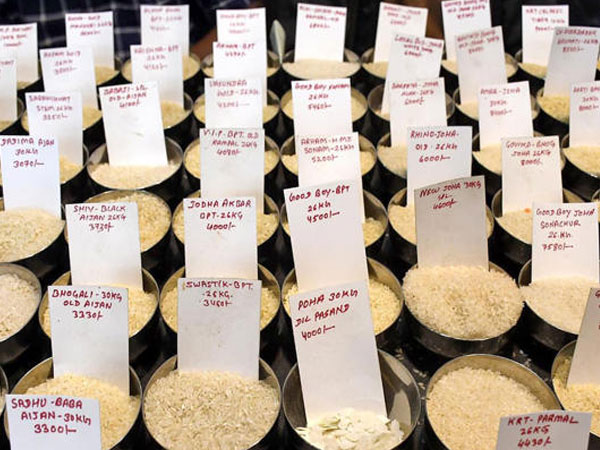
The pressure on production is reflected in domestic prices. Retail rice prices reached Rs 46.92 per kg on Sunday, around 10% higher than a year earlier.
Premium non-Basmati varieties, including Sona Masoori, Ponni and Swarna, have recorded price increases of 10-25% over the past year, according to the report. In Tamil Nadu, a 26-kg bag of superfine rice rose from Rs 1,720 to Rs 1,950 in 10 days, while a bag of fine rice increased from Rs 1,500 to Rs 1,640.
An official cited in the report said the government held more than 38 MT of rice stocks, against a buffer requirement of 10.25 MT for October 1. Stocks are expected to be released through the Open Market Sale Scheme to help moderate prices.
West Asia Disruptions Add To Export Challenges
India’s rice export earnings rose 2.17% year on year to $4.81 billion during April-August of the 2026-27 financial year. However, supply disruptions and higher freight costs linked to the West Asia conflict have continued to affect shipments.
Agarwal said the USDA’s decision to lower its global rice trade forecast by 1.3 MT could influence international supply and prices, given India’s share of around 40-45% of global rice exports.
India ships Basmati and non-Basmati rice to more than 140 countries across Asia, the Middle East, Europe and the US, competing with exporters such as Pakistan and Thailand.
Tamil Nadu Rice Industry Flags Higher Procurement Costs
In Tamil Nadu, higher government procurement has reduced the quantity of paddy available to private buyers. Procurement during the 2025-26 season reached a record 64.2 lakh tonnes, up from 47.98 lakh tonnes in 2024-25.
From September 1, the procurement rate was raised to Rs 2,750 per quintal for fine paddy and Rs 2,600 for common varieties. Higher input costs, including fertiliser and fuel, and a shortage of agricultural labour have added to production expenses.
Industry representatives have ruled out a shortage in the state and expect availability to improve after the Samba harvest ends in January. The industry has also called for the removal of the 5% GST on prepacked and prelabelled rice bags weighing up to 25 kg.
For export markets, the key concern is whether lower production and higher domestic prices will leave India with enough surplus to maintain shipment volumes. The USDA’s forecast points to a possible reduction in exports in 2027, although the extent of the impact will depend on the final production and supply position.





© Copyright 2025 The SSResource Media.
All rights reserved.