

 India's relationship with rice changes dramatically from one region to another. The grain appears in everyday meals, traditional recipes, festive dishes and local cuisines across the country.
Among the many rice-growing regions, West Bengal is popularly known as the “Rice Capital of India.” The title reflects the state's long-standing connection with paddy cultivation and its distinctive rice-based food traditions.
Why is West Bengal called the Rice Capital of India
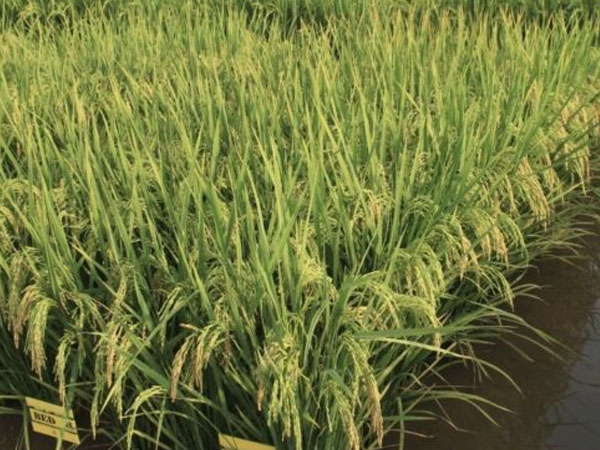
West Bengal has a landscape particularly suited to paddy cultivation, with fertile plains, river systems and substantial rainfall supporting rice farming across several regions.
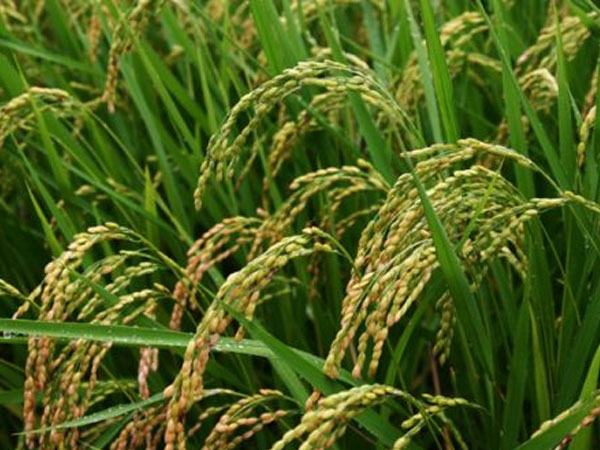
Paddy cultivation has consequently become an important part of rural life in the state, with farmers growing different varieties suited to local conditions.
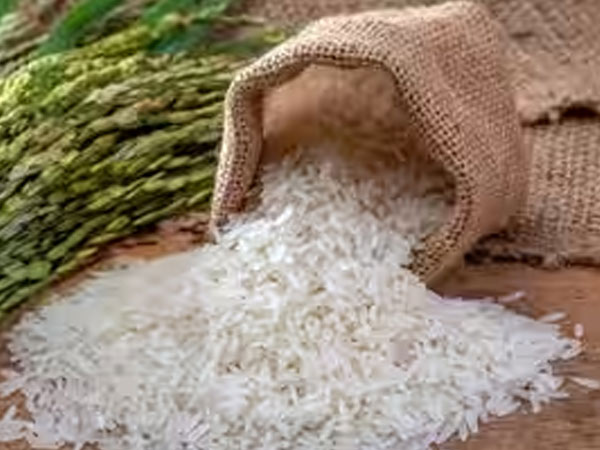
The state's rice tradition also has a strong culinary identity, with bhaat, or cooked rice, forming the base of countless Bengali meals.
Bengal has several traditional rice varieties
West Bengal's rice heritage is not limited to one type of grain.
Gobindobhog is a small-grained, aromatic variety widely associated with Bengali cuisine. Its fragrance and slightly sticky texture make it suitable for dishes such as khichuri and festive preparations.
Tulaipanji, associated with North Bengal, is another traditional aromatic variety known for its distinctive flavour and texture.









© Copyright 2025 The SSResource Media.
All rights reserved.