

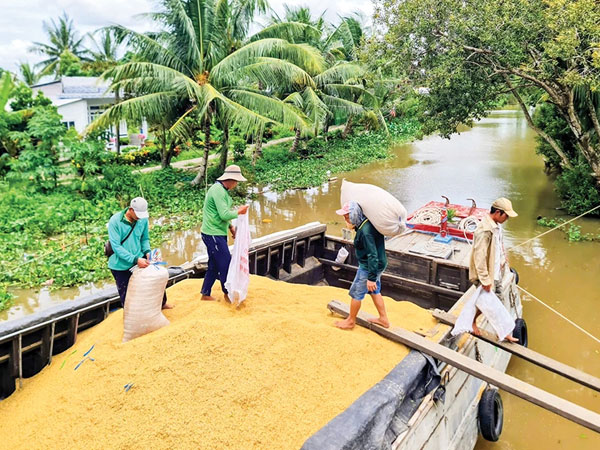
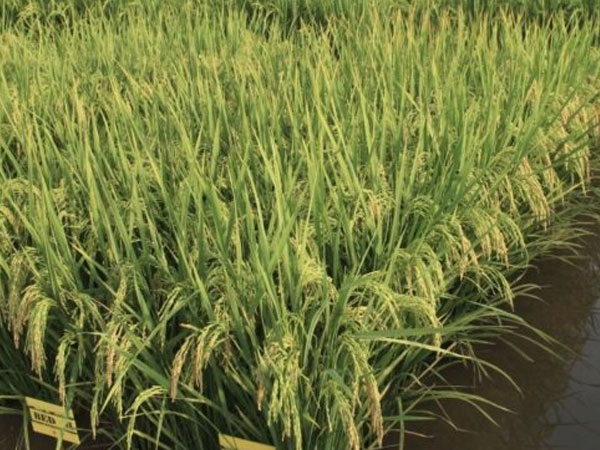
Morogoro. Tanzania’s Southern Highlands aim to more than double annual rice production to 2.1 million tonnes by 2030 under a new agreement seeking to mobilise $1 billion in investment across the value chain.
The SAGCOT Corridor Rice Commodity Compact brings together the government, millers, banks, farmers and development partners to improve irrigation, seed supply, storage, processing, financing and market access.
Validated and signed in Morogoro on October 15 and 16, 2026, the compact targets production on 385,000 hectares across the Mbarali cluster in Mbeya and Songwe, Ihemi in Iringa and Kilombero in Morogoro. The corridor currently produces about 950,000 tonnes of paddy annually.
Achieving the target would contribute significantly to the Ministry of Agriculture’s goal of producing eight million tonnes of paddy nationally by 2030. The corridor’s projected harvest is estimated to generate about Sh2.3 trillion annually in milled rice.
The workshop was chaired by Morogoro Regional Administrative Secretary Mussa Ali Mussa and convened by AGCOT Centre in collaboration with the International Union for Conservation of Nature (IUCN), with financial support from the Royal Norwegian Embassy.
According to the compact’s business case, Tanzania produced about 3.8 million tonnes of paddy in 2024/25 and exported 298,715 tonnes of rice to East African Community (EAC) and Southern African Development Community (SADC) markets, earning more than Sh333.5 billion.
However, post-harvest losses are estimated at 762,200 tonnes annually, while average yields of 3.2 tonnes per hectare remain below their potential. Less than one in eight hectares under rice cultivation is irrigated.
Ministry of Agriculture Assistant Director Upendo Mndeme said improving productivity was essential to reducing production costs and strengthening food security.
“Paddy occupies a special place. It is the second crop in terms of food security, and it also makes a substantial contribution to foreign-exchange earnings because we export it beyond Tanzania,” she said.
“Our productivity is still low. What we need to do is work to increase productivity so that the production cost per kilogramme can come down.”
Rice Council of Tanzania executive director Geoffrey Rwiza said high production costs remained a challenge for farmers and traders. He called for better access to credit, quality seed, agricultural inputs and equipment.
He also warned that mixing rice varieties undermined product identity and market value.
Dr Mussa said improving storage and processing, alongside harmonising regulatory procedures between Mainland Tanzania and Zanzibar, could reduce losses and improve returns for farmers.
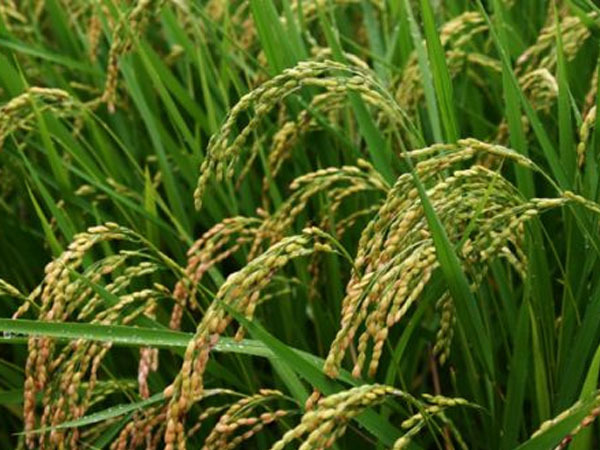
Seed quality is another priority. More than 60 percent of rice farmers use recycled seed, while only 15 to 25 percent use improved varieties. The compact aims to increase the use of improved seed to 40 percent by 2030, including certified varieties such as SARO 5 and TARI RIC lines.
John Kapufi of the Cereals and Other Produce Regulatory Authority (COPRA) said the authority planned to designate rice-growing zones to promote varieties suited to domestic and export markets.
The compact also seeks to link production with confirmed buyer demand. Registered contracts would help farmers secure financing through warehouse receipt arrangements, input credit and production loans supported by local aggregators.
By 2030, the initiative aims to facilitate 30 bankable investment deals and bring 110,000 farmers into contract farming or shared-value schemes.
Signatories have also committed to pursuing policy reforms within 18 months, including harmonising produce cess, improving the predictability of export permits and strengthening contract farming regulations.
AGCOT Centre head of corridors John Banga said the compact set out stakeholders’ responsibilities and implementation timelines.
Norges Vel Tanzania country manager Sesilia Jeremia cautioned that signing the agreement was only the beginning, stressing that implementation would determine its success.
The compact runs until June 30, 2031, and remains open to additional partners.





© Copyright 2025 The SSResource Media.
All rights reserved.