

 Rice farmers across Kenya are set to benefit from increased access to affordable, high-quality certified seeds following the completion of the first phase of a project aimed at boosting local production and reducing reliance on imports.
The initiative seeks to address Kenya’s growing rice deficit by increasing the supply of locally produced certified seeds, improving crop yields and promoting climate-resilient varieties that can withstand changing weather conditions.
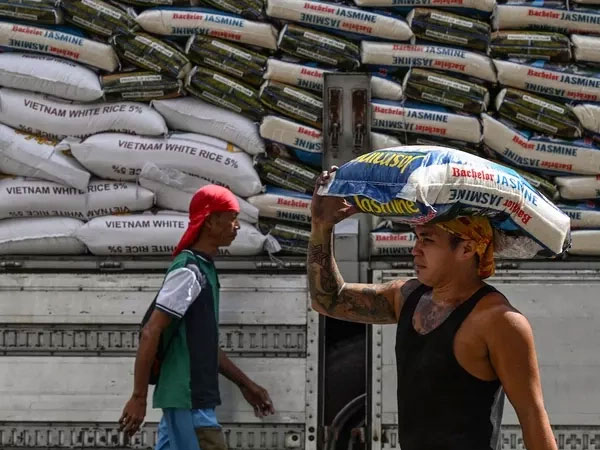
Kenya currently produces only 23 per cent of the rice it consumes, while the remaining 77 per cent is sourced through imports, leaving the country exposed to fluctuations in international markets and the rising cost of food imports.
Through the project, farmers are expected to access subsidised certified seeds, reducing production costs while improving yields and the quality of locally produced rice.
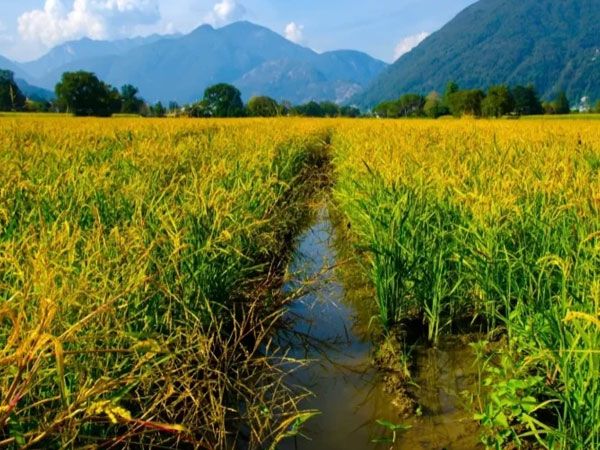
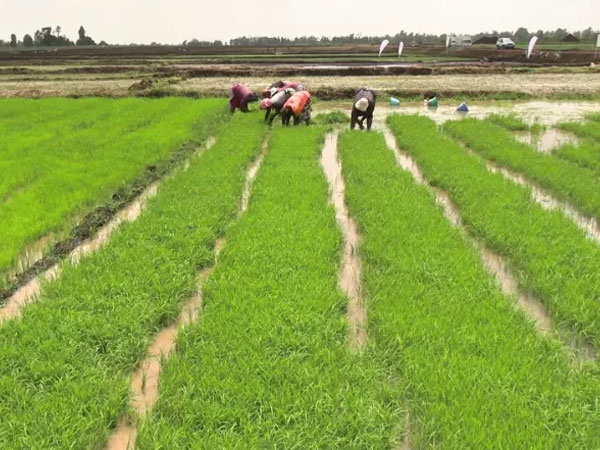
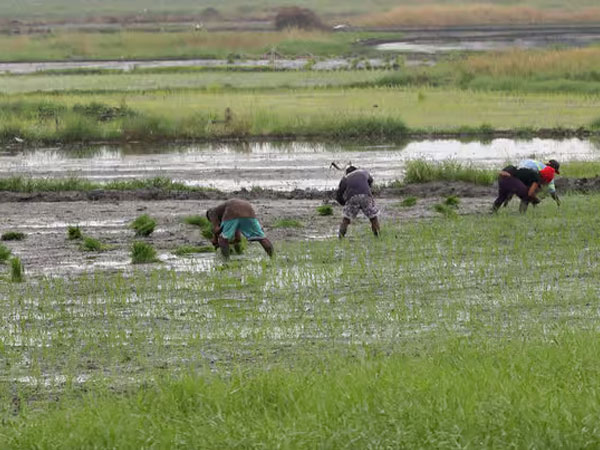
Transplanting has already commenced on a 7.2-hectare piece of land following the completion of the project’s initial phase, with plans underway to progressively expand production capacity.
According to Dr Ji Gang Kim, director of the Korea Partnership for Innovation of Agriculture (KOPIA), the facility is expected to process up to 40 tonnes of seeds daily and increase Kenya’s certified rice seed production capacity to approximately 700 metric tonnes annually.
The increased supply is expected to bridge the shortage of quality planting materials, which has been a major constraint to improving rice productivity among local farmers.
Kagwe defends rice imports
The Ministry of Agriculture and Livestock Development has moved to address growing concern over the state of rice farming in Mwea Kirinyaga County, releasing a statement to the National Assembly that defends the government’s rice import policy while outlining new steps to protect local farmers and their livelihoods
In the statement submitted to the Clerk’s Office on July 30, Cabinet Secretary Mutahi Kagwe explained why the government continues to import rice despite domestic production, pointing to a wide gap between what Kenya grows and what it consumes.
According to CS Kagwe, Kenya’s rice consumption has climbed toward roughly 1.8 million metric tonnes a year, while local production has hovered between 150,000 and just over 300,000 metric tonnes over recent seasons.
In the previous season, farmers produced an estimated 303,384 metric tonnes of paddy, enough to cover only about 15 to 23 per cent of national demand.
“In the year 2024/2025 season, the total rice produced locally was estimated at 303,384 metric tonnes of paddy against an annual demand of 1.8 million metric tonnes. The quantity of rice produced locally was insufficient to meet the quantity demanded,” the CS said in the report
High-yielding varieties prioritised
Unlike conventional rice production initiatives, the project will focus on evaluating, multiplying and distributing high-yielding, disease-resistant and climate-resilient rice varieties.
Among the varieties being prioritised is Komboka, which is popular among farmers and suited to modern farming systems.
Others include Ukafasi 39, ISRIS 6 and ISRIS 7, which have demonstrated potential yields of up to 7.5 tonnes per hectare under suitable growing conditions.
The project will also equip local seed growers with Technologies, Innovations and Management Practices (TIMPs) to help them transition from informal seed production to organised and certified seed-growing enterprises.
Farmers to benefit from improved seed production
Kenya Agricultural and Livestock Research Organisation (KALRO) officers present during the transplanting exercise in Mwea, Kirinyaga County, said the training would strengthen farmers’ technical skills, improve seed quality and create additional income-generating opportunities along the rice value chain.
They noted that expanding local certified seed production would play a critical role in strengthening the country’s rice industry by improving access to quality planting materials and increasing productivity.
The initiative is expected to contribute to Kenya’s efforts to reduce its dependence on costly rice imports, strengthen food security and move closer to national food self-sufficiency.


© Copyright 2025 The SSResource Media.
All rights reserved.