

 High production costs, worsening insecurity, poor rural infrastructure, and unreliable irrigation systems are constraining rice production across Northern Nigeria. These challenges threaten the country’s quest for food security and self-sufficiency, despite the region accounting for the largest share of national rice output, experts have stated.
Department of Agricultural Economics and Extension, Bayero University, Kano researcher Ubale Sani and other experts note that addressing these structural challenges would not only bridge Nigeria’s rice production deficit. It could also position the country as a net exporter of the staple within Africa. Their position features in a review of Nigeria’s rice production sector. The assessment identified inadequate infrastructure, rising production costs, climate variability, pest infestations, and weak agricultural research as major obstacles limiting the performance of the national rice value chain.
Comparative Advantages and Rising Operational Pressures
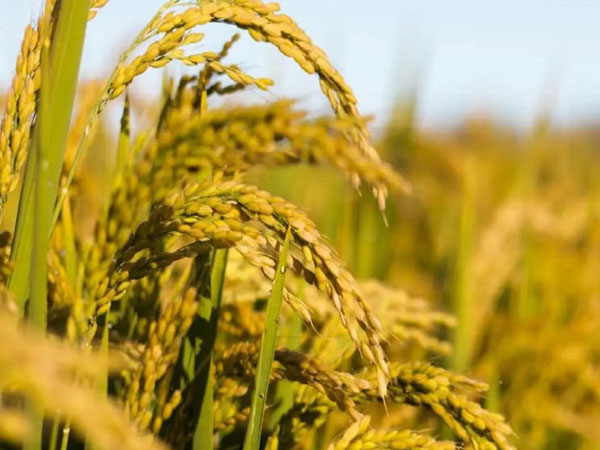
Northern Nigeria remains the backbone of the nation’s rice industry. Kebbi, Kano, Jigawa, Kaduna, and Sokoto states account for a substantial proportion of domestic production. The region benefits from vast floodplains, locally known as fadama, extensive irrigation schemes, and favourable conditions for both wet and dry season cultivation.
However, despite these comparative advantages, farmers continue to grapple with rising operational costs and growing security concerns. These factors have significantly reduced profitability and discouraged investment in commercial rice farming. Soaring prices of fertilisers, agrochemicals, improved seeds, and farm machinery have made rice cultivation increasingly expensive for thousands of smallholder farmers who account for the bulk of domestic production. Many producers now struggle to purchase essential inputs such as NPK and urea fertilisers, which are critical for improving soil fertility in nutrient-deficient northern soils.
Although mechanisation is gradually gaining acceptance through power tillers, reapers, and threshers, adoption remains slow. This sluggish uptake stems from the prohibitive cost of acquiring and maintaining agricultural equipment.
Insecurity and Climate Vulnerability
Insecurity stands out as one of the biggest threats to rice production, particularly across parts of the North-West. Bandit attacks and rural violence have disrupted farming activities, forced producers to abandon fertile farmlands, and reduced cultivated areas. Furthermore, producers spend more on security, transportation, and logistics, which pushes up production costs. BusinessDay findings show that insecurity continues to restrict access to farmlands and discourages private investment in irrigation and processing facilities.
Dependence on seasonal rainfall further exposes farmers to climate risks as weather patterns become increasingly unpredictable. Although Northern Nigeria records significant wet-season production starting between late May and June, the relatively short rainy season limits cultivation unless supported by irrigation. Dry-season farming, which depends on irrigation facilities and receding river floodplains, often delivers higher yields because farmers can better regulate water supply and benefit from longer sunshine hours. Nevertheless, many irrigation systems remain underdeveloped. The cost of operating water pumps and maintaining infrastructure continues to rise, making dry-season cultivation increasingly expensive.
Policy Interventions and Research Priorities
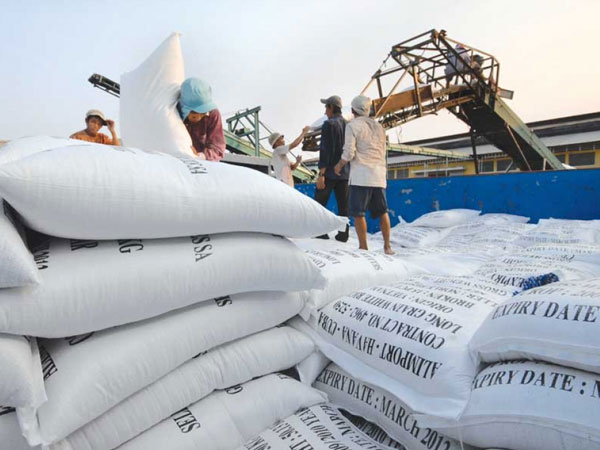
To reverse these trends, experts urge the Federal Government to prioritise investment in irrigation infrastructure, mechanised farming, and the widespread distribution of climate-resilient rice seed varieties. They also call for the rehabilitation and expansion of rural road networks to lower transportation costs, improve market access, and curb post-harvest losses.
Strengthening agricultural extension services is another vital recommendation. Extension officers remain critical for increasing the adoption of modern techniques, climate-smart practices, and efficient input management among smallholder farmers. Additionally, expanding storage, processing, and marketing infrastructure will minimise post-harvest losses that erode farm incomes. Experts also advocate reinvesting revenues from rice import policies into domestic agricultural research, improved seed development, and farmer support programmes, including Integrated Pest Management strategies.
Closing existing research gaps—such as the economic impact of nematode infestations, climate change adaptations, and local processing standards—will provide policymakers with the evidence needed for effective interventions. Sustained investment in these areas can significantly reduce import dependence, drive rural industrialisation, and position Nigeria as a competitive player in Africa’s rice market.



© Copyright 2025 The SSResource Media.
All rights reserved.