

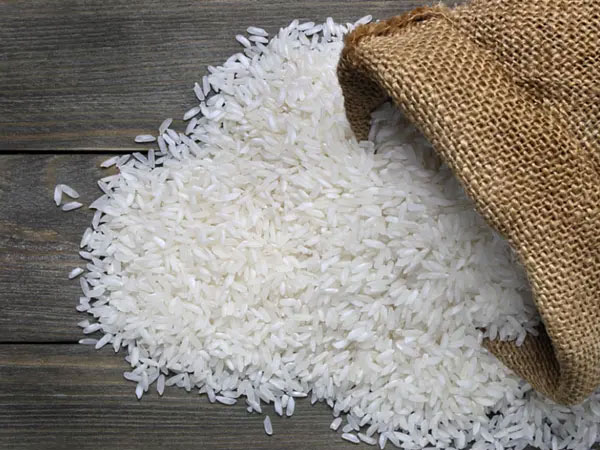
 Rice millers in Punjab have formally requested additional financial compensation from the central government to cover the rising costs of segregating broken rice. The demand comes as the industry prepares for new quality standards for custom milled rice (CMR) ahead of the upcoming procurement season, which is scheduled to begin on October 1.
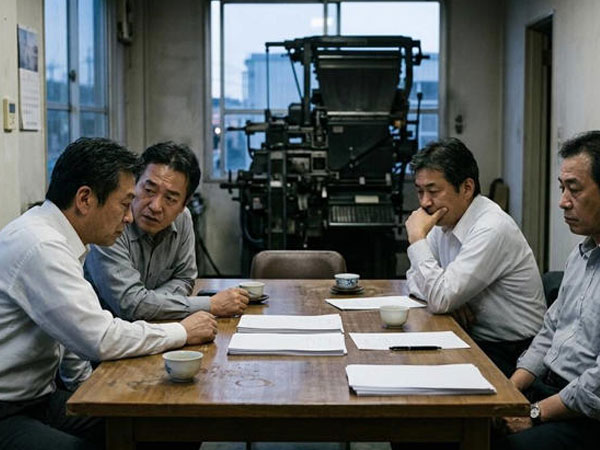
Representatives from the state’s rice milling industry met with officials from the Union Ministry of Food and Public Distribution and the Food Corporation of India (FCI) in Chandigarh on Monday. The discussions focused on the logistical and financial implications of a new federal policy requiring the separation of 10% broken rice from the main supply, which the government intends to divert to the ethanol industry to support its bio-fuel blending targets.
Operational Challenges and Financial Demands
During the meeting, industry leaders highlighted that the new sorting and grading requirements would place a significant burden on millers. Bharat Bhushan Binta, president of the rice millers association, explained that the process necessitates increased machinery usage, higher electricity consumption, and additional labour. Consequently, the association has argued that the current milling charges—fixed at ₹2.23 per quintal—are insufficient and must be raised to at least ₹50 per quintal to remain financially viable.
Beyond processing fees, the storage of segregated broken rice has emerged as a primary point of contention. Millers reported that they were previously forced to store broken rice on their own premises for up to ten months, creating severe space shortages for new paddy crops. The association has demanded that storage compensation be increased to ₹8 per quintal per month, noting that current rates of ₹1.23 per quintal fail to cover the actual costs of maintaining these stocks.
Proposed Caps and Future Outlook
To mitigate the impact of the new policy, the association has proposed a phased approach, suggesting that only 25% of the total rice supplied to the central pool be subject to mandatory segregation during the first year. Ranjit Singh Jossan, a basmati exporter and vice-president of the association, noted that with state procurement agencies expecting 180 lakh tonnes of paddy—yielding approximately 120 lakh tonnes of rice—the quantity of segregated rice should be capped at 30 lakh metric tonnes.
There are currently 5,500 rice mills operating across Punjab that handle both CMR and export-grade basmati. While the industry has expressed a willingness to cooperate with the government’s ethanol production goals, they maintain that the additional responsibilities must be accompanied by fair reimbursement. FCI officials have acknowledged the concerns raised by the millers and indicated that a final decision regarding the requested fee adjustments will be communicated at a later date.




© Copyright 2025 The SSResource Media.
All rights reserved.