

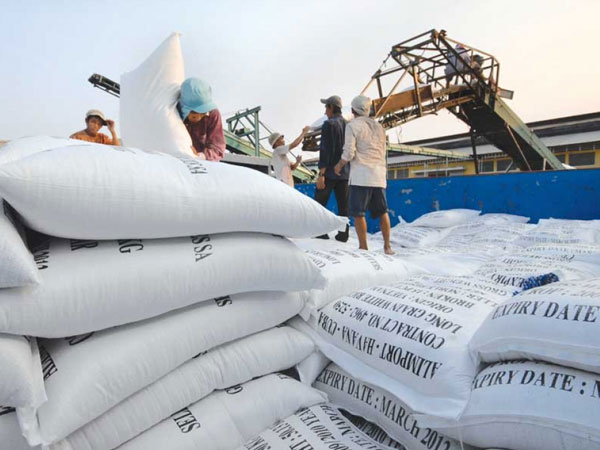
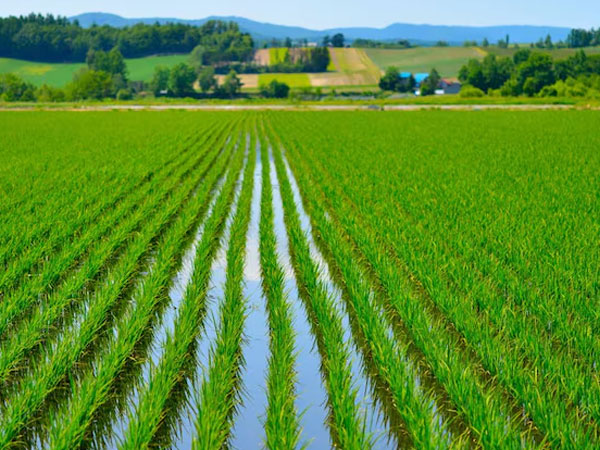
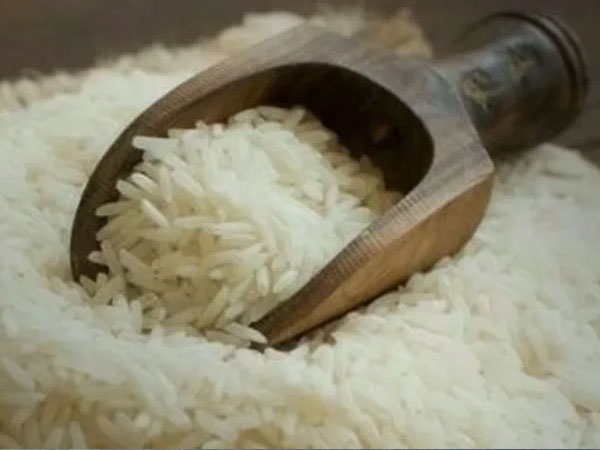
Pakistan’s rice export sector continues to underperform despite rising production. After the government doubled withholding tax and abolished the Final Tax Regime (FTR), exports began to decline. Last year Pakistan harvested around 10 million tons of rice, up from about 9.3m tons a year earlier, creating a sizeable exportable surplus. Financing costs also eased, and the Drawback of Local Taxes and Levies (DLTL) was allowed from January 23, 2026. Yet both export value and volume fell sharply.
Pakistan’s rice industry illustrates how policy inconsistency can squander a natural competitive advantage. The principal cause is not production but policy failure.
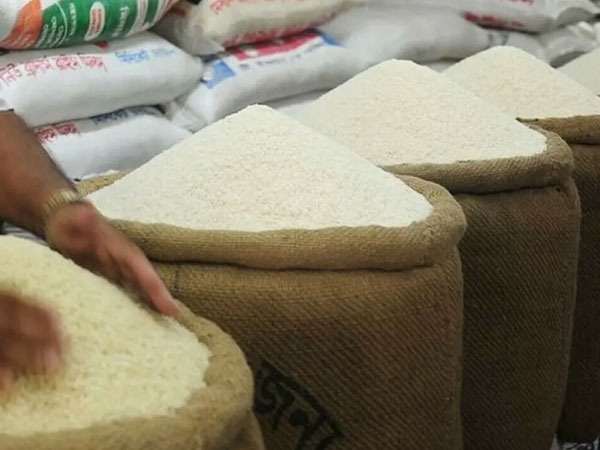
Every harvest season, hoarders invest untaxed money to accumulate paddy and milled rice, artificially pushing up domestic prices. Consumers suffer higher food inflation, retailers blame exports, while exporters attribute declining competitiveness to rising costs and demand subsidies. The real problem — large-scale hoarding and cross-border smuggling — remains largely ignored. Unless this distortion is addressed, the same cycle will continue.
Pakistan’s rice exports fell by nearly 50 per cent during the first half of FY26 as Pakistani Basmati prices rose to almost $200 per ton above India’s. Although Pakistan achieved a record 6m tons of exports worth $3.89bn in FY24, exports dropped to $2.19bn and 4.23m tons in FY26, representing declines of over 31pc in value and 26pc in volume.
The crisis is institutional rather than production. No meaningful action has been taken against hoarding despite its impact on domestic prices and export competitiveness.
India offers an instructive contrast. After removing export restrictions and abolishing minimum export prices, it quickly regained global market share. During FY26, India exported a record 21.57m tons of rice, earning $11.53bn despite a 15pc decline in international prices. Both countries faced the same global market, yet their export performance diverged because India maintained lower production costs, policy consistency and stronger competitiveness.
For decades, Pakistan’s bureaucracy has relied on rebates, subsidies and DLTL while neglecting structural reforms. China, India, Bangladesh and Vietnam instead invested in productivity, technology and export competitiveness. Exports should be treated as an issue of national economic security, with priority given to reducing production costs rather than offering incentives after goods reach ports.
The lack of coordination among key ministries has compounded the problem. The ministries of commerce, finance, national food security, the State Bank, Federal Board of Revenue, National Electric Power Regulatory Authority and Oil & Gas Regulatory Authority continue to pursue conflicting policies. Fiscal authorities doubled withholding tax and abolished FTR, while the Commerce Ministry attempted to promote exports through DLTL.
Meanwhile, high financing costs, rising electricity and gas tariffs, expensive transport and inefficient logistics have steadily eroded competitiveness. Such contradictory policies repeatedly neutralise export promotion efforts, including DLTL.
If exporters can sell branded Basmati in the domestic market at Rs400–600 per kilogram without export risks or tax burdens, they have little incentive to invest in improving international competitiveness.
Global rice trade has evolved. Successful exporters now compete through branding, geographical indication (GI), traceability, innovation, quality assurance and efficient logistics rather than price alone. Thailand’s GI tagged Hom Mali rice fetches premium prices worldwide.
Pakistan, however, remains largely a bulk commodity exporter. Existing export financing mainly supports commodity trading instead of encouraging investment in branded products, value addition and high-value rice-based products. Export finance should reward innovation and higher export earnings per ton rather than simply larger shipment volumes.
Export competitiveness extends well beyond the farm. Farmers require certified indigenous seeds and affordable inputs. Growers, millers and exporters need competitively priced energy, affordable financing, efficient customs clearance, predictable taxation, compliance with sanitary and phytosanitary (SPS) standards and proactive commercial diplomacy.
Without effective coordination among federal and provincial institutions, bumper harvests will continue producing disappointing export earnings while exporters will continue to demand more DLTL subsidy. Reported misuse of DLTL through their overseas entities, misdeclaration and over-invoicing further underscore the need for stronger oversight.
Pakistan can realistically increase annual rice exports up to $10 billion, but only through structural reforms rather than temporary incentives.
The government should establish an independent Rice Export Development Organisation under the Ministry of Commerce, comprising experienced professionals without commercial conflicts of interest, to formulate and implement a coordinated national export strategy. Export financing should shift from commodity trading to productivity, innovation, and value addition, while ensuring equal access for small and medium-sized exporters. The cost of doing business must be reduced through internationally competitive energy tariffs, affordable financing, and a taxation system that taxes income rather than export invoiced value.
Pakistan should accelerate the transition from bulk commodity exports to premium GI-tagged Basmati, speciality rice, and ready-to-cook and ready-to-eat products marketed under Pakistani brands, supported by a national quality certification mark insignia.
SPS compliance must be strengthened through digital traceability, pesticide residue monitoring, aflatoxin management and improved market intelligence to meet increasingly stringent import requirements. Commercial diplomacy should focus on securing preferential market access, removing non-tariff barriers and evaluating trade missions against measurable export growth, while missions in low-potential markets should be rationalised.
Pakistan possesses fertile alluvial land, diverse climatic conditions, internationally recognised Super Basmati, experienced farmers, modern rice mills and entrepreneurial exporters. What it lacks is coherent policymaking.
The country has already demonstrated its ability to earn nearly $4bn from rice exports. With coordinated fiscal, monetary and trade policies, lower production costs, innovation-driven financing and a decisive shift from commodity exports to value addition, Pakistan can once again emerge among the world’s leading rice exporters.


© Copyright 2025 The SSResource Media.
All rights reserved.