

 Disruptions caused by El Niño are expected to have the most severe impact on the Philippine economy, threatening to slash farm production and further accelerate price growth in the coming months.
The Philippines is the most vulnerable emerging economy to El Niño among the Association of Southeast Asian Nations (ASEAN)-5 and India, as its heavy exposure to food inflation, domestic rice production losses, and food imports threatens to intensify already elevated price pressures, according to Singapore-based Oversea-Chinese Banking Corp. Ltd. (OCBC).
In a Sept. 9 report, OCBC Group Research placed the Philippines alone in its “very high” risk tier, ahead of India and Thailand, which were classified as high risk, Indonesia at moderately high risk, and Malaysia and Vietnam at moderate risk.
“Our composite exposure index identifies the Philippines as the economy most vulnerable to El Niño, reflecting its high food consumer price index (CPI) weight, exposure of domestic rice production and dependence on food imports,” said OCBC senior ASEAN and India economist Lavanya Venkateswaran.
OCBC’s composite index assessed the relative vulnerability of the six emerging economies based on food-price sensitivity, agricultural-production exposure, food import dependence, and existing food-security buffers.
The Philippines’ very-high-risk classification reflected production risks, the high weight of food in its consumer basket, dependence on rice imports, and limited offsets from agricultural exports.
“We see India, the Philippines, Thailand and Indonesia as the higher-exposure economies,” Venkateswaran said, while Malaysia and Vietnam face more concentrated risks.
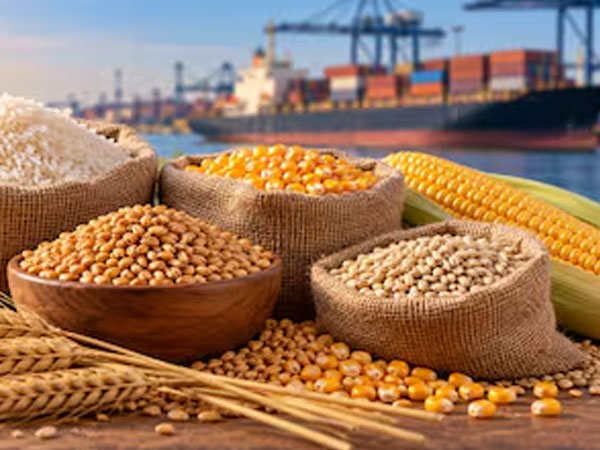
OCBC said El Niño is expected to primarily pose an inflation shock rather than a broad-based growth shock, with food prices—particularly rice, wheat, maize, and edible oils—serving as the main transmission channel.
The weather phenomenon has already intensified into a very strong event and is expected to strengthen further before peaking toward the end of 2026, according to World Meteorological Organization (WMO) forecasts cited by OCBC.
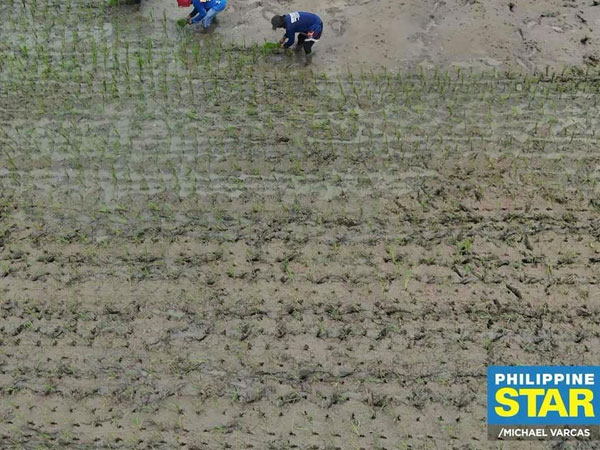
On the front line of these climate risks is the agricultural sector, as prolonged dry conditions threaten crop yields and rural incomes.
“Rice output is at risk across the region, with officials in Malaysia, Thailand and the Philippines warning of lower agriculture output,” OCBC said.
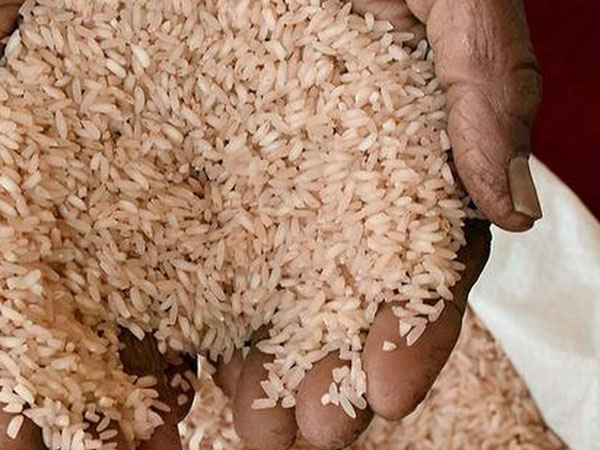
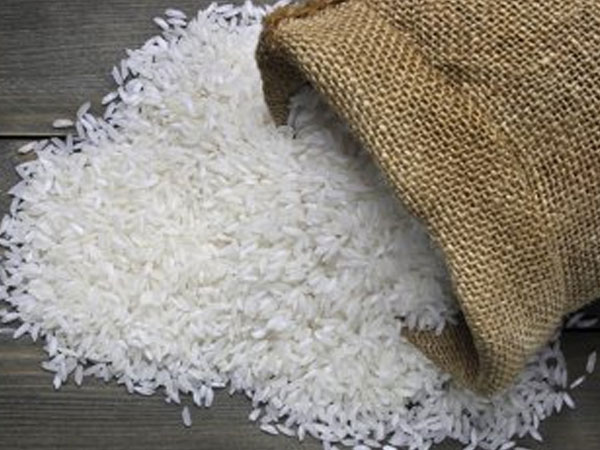
Department of Agriculture (DA) data cited in the report showed that a severe El Niño could slash Philippine rice production by “up to 700,000 metric tons (MT).”
The Philippines is also among the economies most vulnerable to food inflation because of the significant weight of food in its consumer basket.
“Thailand, the Philippines, India and Malaysia appear among the most vulnerable economies from a food inflation perspective,” Venkateswaran said.
Headline inflation cooled further to a four-month low of 6.1 percent in August from 6.2 percent in July and the peak of 7.2 percent in April. This brought the average inflation rate to 5.2 percent as of end-August, still well above the Bangko Sentral ng Pilipinas’ (BSP) three-percent target and four-percent ceiling.
It was the slower price growth in food items that drove the easing in overall inflation. Inflation of food and non-alcoholic beverages clocked in at 4.6 percent in August from 5.2 percent in July, according to the Philippine Statistics Authority (PSA).
OCBC warned, however, that the upside risk to regional food inflation could come not only from crop losses but also from policy responses such as export restrictions, stockpiling, and other food-security measures that could amplify supply disruptions.
As a net rice importer, the Philippines also faces external trade pressures if global rice prices increase.
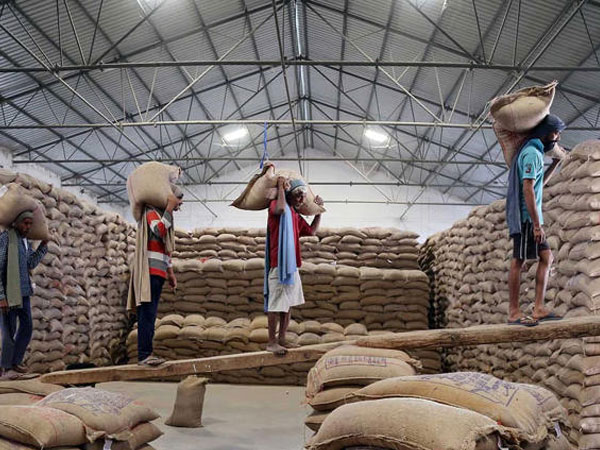
OCBC noted that the Philippines had rice ending stocks of 2.8 million MT, equivalent to 57 days of consumption, based on United States Department of Agriculture (USDA) data.
While global rice inventories remain elevated and could cushion the impact of a single-season production shock, OCBC said export controls and an actual decline in output remain material risks.
The Singaporean bank also said higher crude palm oil (CPO) prices would worsen the terms of trade for the Philippines and India, and to a lesser extent Vietnam.
Historically, El Niño has had a more pronounced effect on inflation than economic growth, with the latter largely concentrated in agriculture-rich areas.
OCBC said economies with large agricultural sectors such as India, Indonesia, the Philippines, Thailand, and Vietnam are likely to be the most vulnerable to production losses and weaker rural incomes.
The overall drag on economic growth, however, is expected to remain manageable unless drought conditions become prolonged and begin affecting electricity generation, water availability, and broader supply chains.
Mounting price pressures have put monetary authorities on high alert to prevent second-round inflation effects.
During its August monetary policy meeting, the BSP raised key borrowing costs by 25 basis points (bps) to five percent, a third hike in a row, citing the looming “severe El Niño,” the record-high wage hike in Metro Manila, and volatile oil prices as major risks.
Against this backdrop, OCBC expects central banks in the region to maintain a tightening bias.
“With some regional central banks already citing upside inflationary risks from El Niño, we reiterate our long-held view that central banks across ASEAN-5 and India will continue to tighten monetary policy in response to building inflation risks,” Venkateswaran said.
OCBC expects the BSP policy rate to end 2026 at 5.5 percent before easing to five percent by the end of 2027.








© Copyright 2025 The SSResource Media.
All rights reserved.