

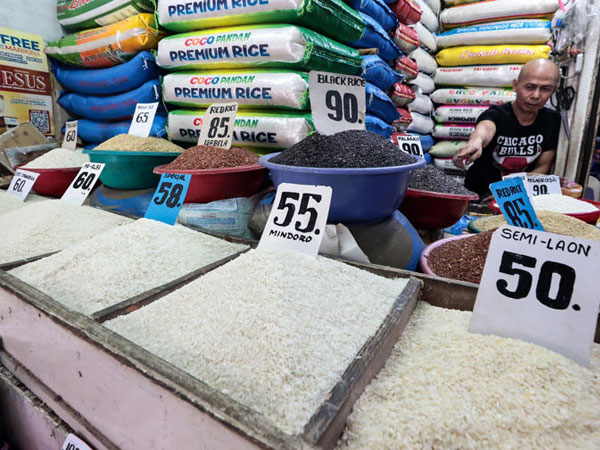
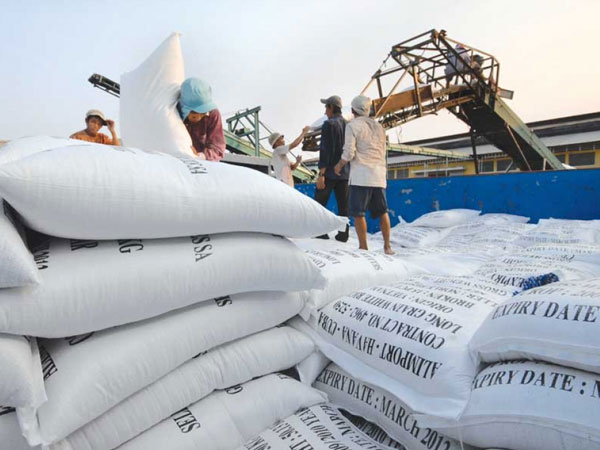
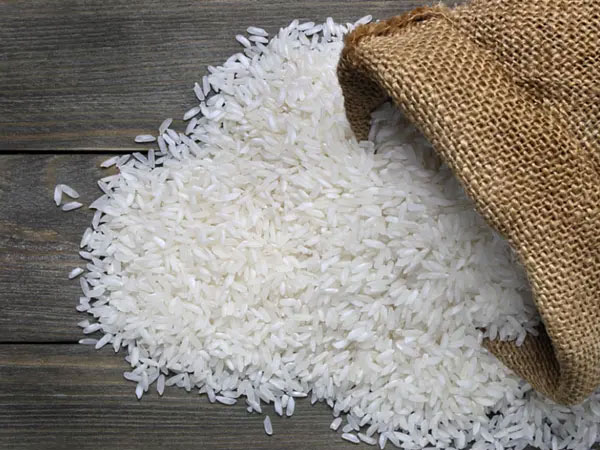
 MANILA, Philippines – The Department of Agriculture (DA) said the price ceiling of P50 per kilogram for imported rice is a “calibrated” measure to mitigate price spikes amid the ongoing Middle East conflict.
In a statement on Thursday, the DA said the price cap ordered “is intended as a calibrated response to extraordinary market volatility.”
It added that the cap also complements the government’s ongoing efforts to strengthen domestic rice production and curb speculative pricing increases.
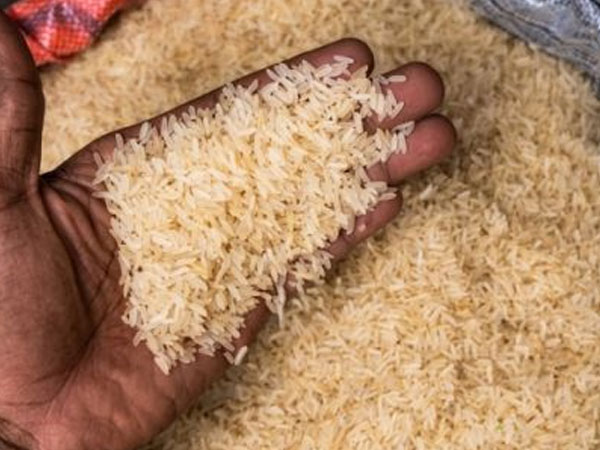
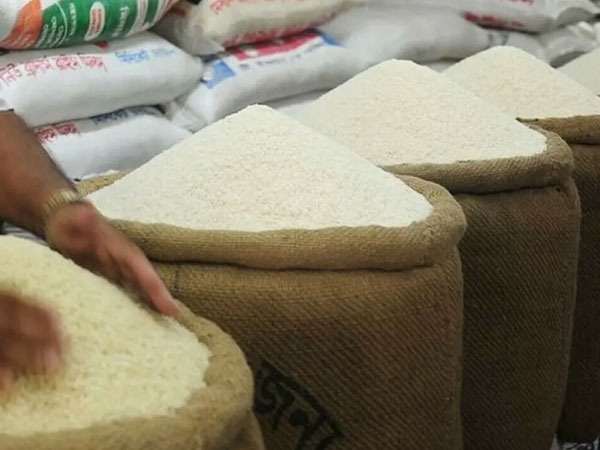
President Marcos issued Executive Order No. 118 on Wednesday imposing a price ceiling of P50 a kilo on 5-percent broken imported rice nationwide for 30 days, unless earlier lifted by the President upon the National Price Coordinating Council’s (NPCC) recommendation.
It aims “to address unjustified price increases, prevent market abuse, and ensure the availability of affordable rice while maintaining market stability,” the directive read.
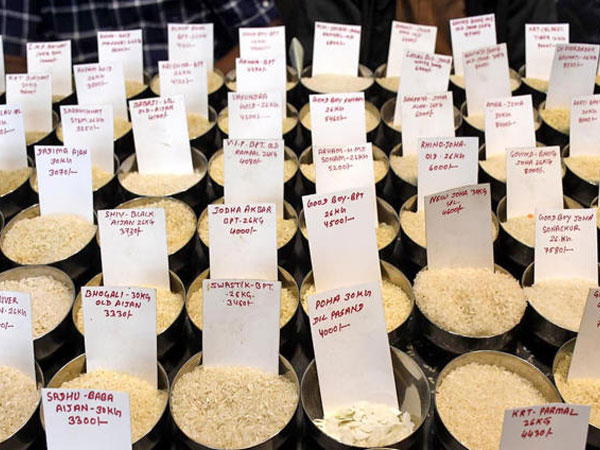
DA said the temporary price cap complements other interventions aimed at easing inflation and stabilizing food prices, including the continued expansion of the subsidized rice sale and the maximum suggested retail price (MSRP) for imported rice.
Rice, a household staple among Filipino households, accounts for approximately 9 percent of the consumer basket used to measure inflation.
“We will implement this immediately once it takes effect to help the general public cope with rising food costs,” Agriculture Secretary Francisco Tiu Laurel Jr. said in a statement on Thursday.
Asked for comment, Philippine Chamber of Agriculture and Food, Inc. president Danilo Fausto said the President’s latest directive will boost farm-gate prices of palay (unmilled rice).
“The price will discourage importation of rice within 30 days that will concentrate traders and consumers to local supply even for 30 days only, increasing the demand of local palay and allow farm gate prices to increase at reasonable level for the farmers,” Fausto said in a Viber message.
Samahang Industriya ng Agrikultura Executive Director Jayson Cainglet said it is “too early” to determine the price ceiling’s impact since farmers have already harvested their produce.
“The price cap on imported [rice] is a continuing admission (prior to the price cap was the imposition of MSRP) on the failure of unprecedented level of importation have not benefited our consumers,” Cainglet said.
EO No. 118 is among the measures aimed at alleviating price increases in essential goods amid the Middle East crisis, following the government’s declaration of a state of national emergency.
DA and the Department of Trade (DTI) and Industry are directed to ensure the strict and uniform enforcement of the price ceiling, including monitoring and investigating abnormal price movements.
The Philippine Competition Commission will work with the DTI and DA in taking appropriate measures against cartelization, abuse of dominance and other anti-competitive practices to ensure fair market competition and protect consumer welfare.
The Bureau of Customs will conduct inspections and enforcement operations to combat hoarding, smuggling and illegal importation of rice, such as confiscating, seizing or forfeiting smuggled rice.
Meanwhile, the Philippine National Police and other law enforcement agencies are tasked with providing the necessary support to ensure the order’s immediate and effective enforcement.
The NPCC will conduct a periodic review of implementing the price cap every 15 days, and recommend its continuation, adjustment or lifting depending on market conditions.





© Copyright 2025 The SSResource Media.
All rights reserved.