

 Why rice matters: Rice feeds billions and shapes cultures worldwide, from Southeast Asia’s terraces to the Mekong Delta’s patchwork fields.
Science meets tradition: Researchers are optimizing milling and developing heat-tolerant rice varieties to protect yields and quality in a warming climate.
Tourism’s new role: Heritage landscapes like the Ifugao terraces attract travelers, offering economic opportunities that could help sustain traditional farming.
Optimizing milling for better yields
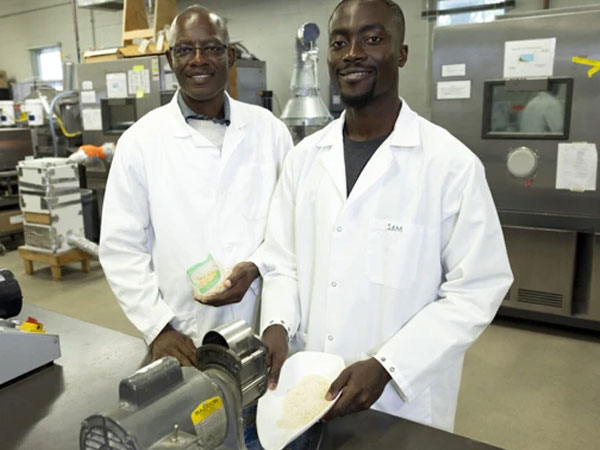
Researchers at the University of Arkansas have developed improved lab methods to standardize rice milling analysis, aiming to increase head rice yield and preserve grain quality. High nighttime temperatures above 75°F can cause chalkiness and thinner kernels, reducing milling efficiency. The study compared traditional McGill No. 2 mills with modern Satake and Zaccaria models, revealing significant differences in yield depending on rice moisture and cultivar, and underscoring the need for recalibration as older equipment is phased out. Phys.org
"Anytime we assess rice milling yields—especially head rice yield—we're indirectly evaluating rice quality. This is because head rice yield is a primary indicator of and has some relationship with milled rice quality. Rice quality also includes factors such as nutritional value, functional performance in processed products, and sensory attributes—all of which matter greatly to the consumer."
Genetic breakthroughs for heat resilience
A recent study identified a temperature-sensitive gene in rice that, when modified, allows the crop to maintain yield under high heat. Gene-edited rice retained full production in hot conditions, while unmodified plants lost up to 58% of grain yield. While GMOs remain controversial due to environmental concerns, this breakthrough could be critical as climate change threatens global rice production. Climate Crisis 247
Living heritage in Ifugao terraces
The UNESCO-listed Ifugao Rice Terraces in the Philippines are over 1,500 years old, carved by Indigenous communities who still cultivate the sacred Tinawon variety. While tourism offers new income, many young people migrate to cities, leaving questions about the terraces’ future. Guided treks reveal both the stunning beauty and the labor-intensive reality of maintaining this cultural landscape. Go World Travel Magazine
Seasonal beauty of Vietnam’s rice fields
In Vietnam, landscapes like Sapa’s mountain terraces and Ta Pa’s patchwork paddies change dramatically with the seasons. From shimmering flooded fields in planting months to vibrant green growth and golden harvests, timing a visit is key. These areas also reflect deep cultural traditions, with ethnic minority and Khmer farmers practicing cooperative, heritage-rich agriculture. localvietnam.com + 1
Best times to experience Vietnam’s rice fields
- Ta Pa fields: Planting (Nov, Apr, Aug) offers watery paddies with farmers working in the mud.
- Ta Pa fields: Growing months (Dec–Jan, May–Jun, Sep) show lush green paddies stretching across the plain.
- Ta Pa fields: Harvest months (Feb–Mar, Jul–Aug, Oct–Nov) display golden landscapes ideal for photography.
- Sapa terraces: April–May flooding creates a mirror effect, June–July shows green growth, August–September transitions to gold.





© Copyright 2025 The SSResource Media.
All rights reserved.