

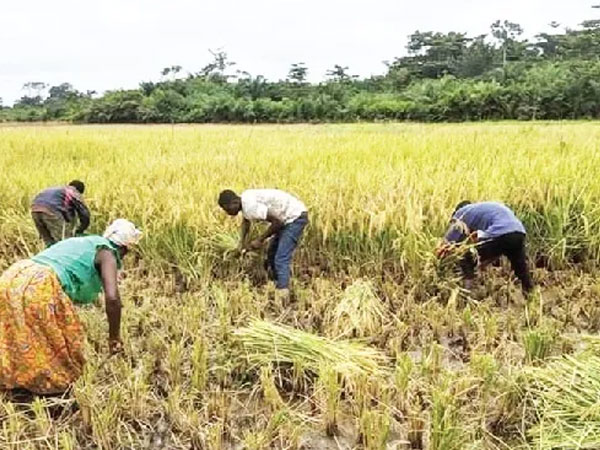
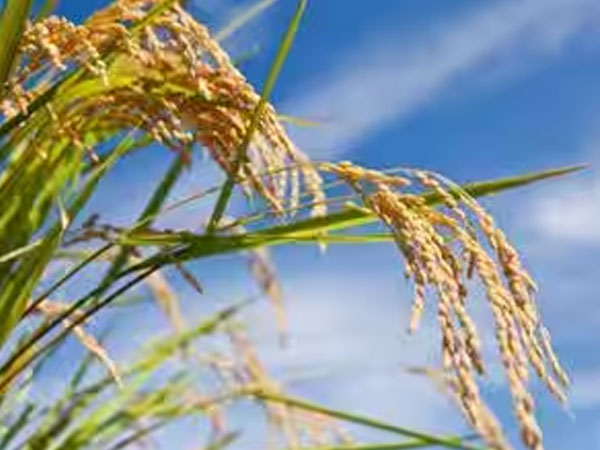
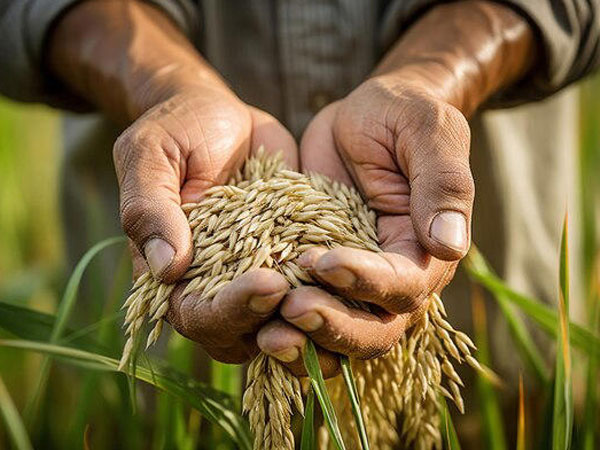
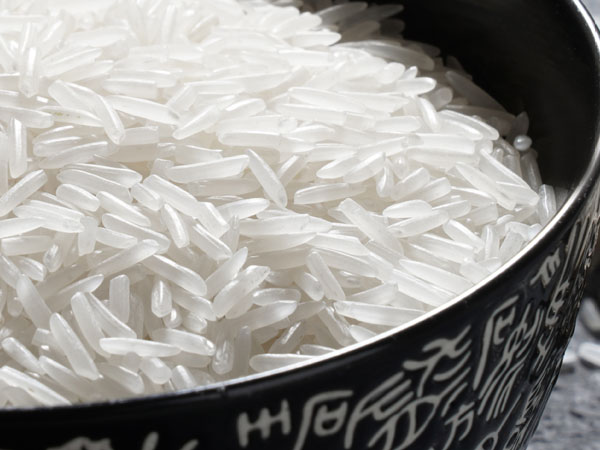
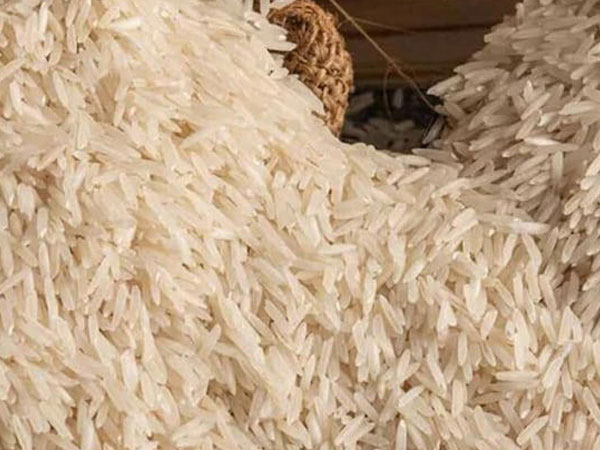
 The Association of Ghana Rice Producers and Processors is angered and perplexed by an estimated one million metric tonnes of unsold paddy rice on the local market.
The association says the glut – estimated at GH¢5billion – is due to a severe shortage of buyers for the commodity. This state of affairs was brought to B&FT’s attention at a recently held World Bank Civil Society Organisation engagement on food security.
Dr. Terence Adda-Balinia, an executive member of the Rice Producers and Processors Association, attributes the crisis to failure of state procurement systems to prioritise the purchase of Ghana rice.
The National Food Buffer Stock Company (NAFCO) has consistently defied the President’s directive for NAFCO to purchase locally produced rice from Ghanaian farmers, the association alleges.
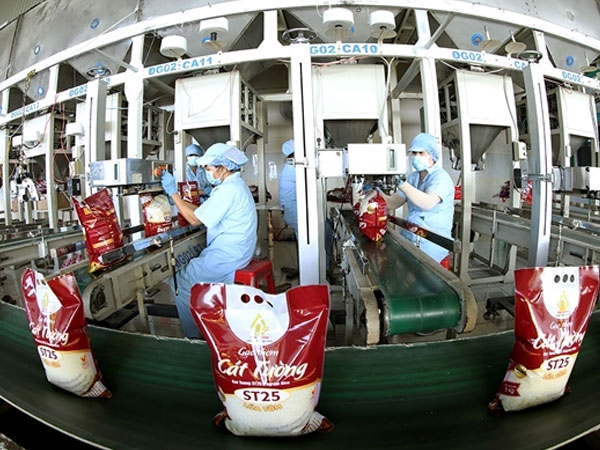
The situation, according to Dr. Adda-Balinia, has led major rice millers to suspend operations as the domestic market is being overwhelmed by an influx of cheap, smuggled rice.
“Over one million farmers are overwhelmed by huge losses, with the situation posing high threats to sustainability of the local rice industry,” he added.
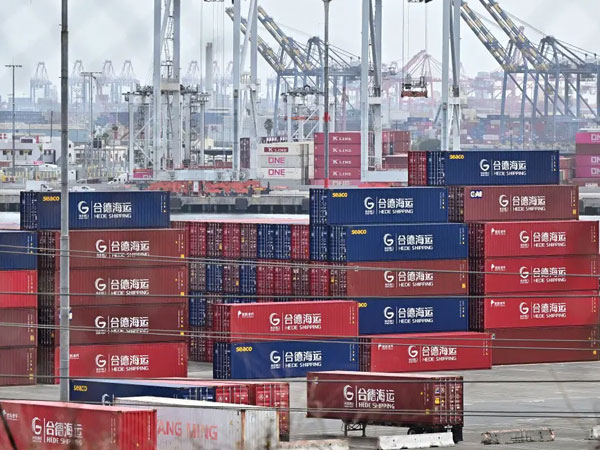
Currently, 60 percent of rice is imported into the country – which spends more than US$500million on its import annually!
While local producers and processors describe imported rice as often cheaper, better-packaged and more attractive – making it more competitive, they complain that the huge import volumes are reducing demand for locally produced rice.
Poor marketing and distribution channels, low farm-gate prices for produce and high cost of production remain key challenges confronting the local production sector.
To address the current situation, producers and processors are appealing for government to prioritise guaranteed markets for domestically produced rice, arguing that significant investments in the sector risk being undermined without stronger policy support.
Among the key proposals is a temporary six-month moratorium on rice imports that allows existing local stocks to be cleared. Additionally, there must be in place a transparent import quota system to ensure imports only cover supply gaps rather than compete directly with local output.
Finally, public institutions – including those under National Disaster Management Organisation (NADMO) as well as schools, hospitals and prisons – must procure only locally produced rice.



© Copyright 2025 The SSResource Media.
All rights reserved.