

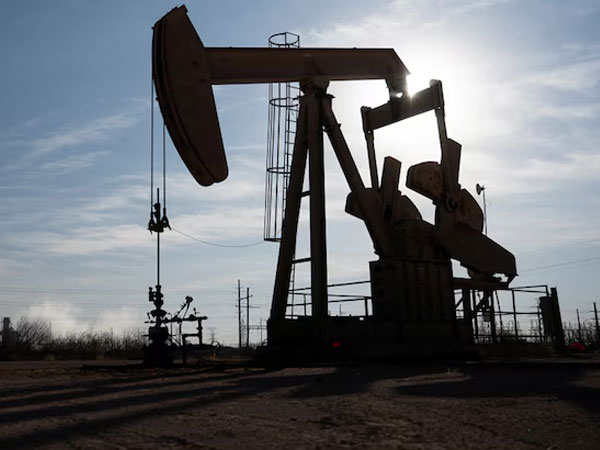
 Brent crude traded near $120 a barrel after jumping more than 6% to the highest level since June 2022 on Wednesday.
Oil climbed from the highest close in almost four years as the US ramped up pressure on Iran, signaling no letup in its naval blockade and seeking the forfeiture of seized tankers linked to the Islamic Republic.
Brent crude traded near $120 a barrel after jumping more than 6% to the highest level since June 2022 on Wednesday. West Texas IntermHormuzediate futures were above $107. US President Donald Trump told Axios he will not lift a naval blockade of Iran’s ports until he secures a nuclear agreement with Tehran, while Iranian officials have shown no signs of backing down.
The US is expanding its pressure on Tehran by seeking the forfeiture of two Iran-linked oil tankers that were seized by naval forces enforcing the blockade, as American authorities try to squeeze buyers of Iranian crude. The US military has also asked for hypersonic missiles to be sent to the Middle East, which would mark the first time the country deployed those weapons.
The Strait of Hormuz has been effectively closed since the war started at the end of February, choking off flows of crude, natural gas and oil products, and driving up energy prices. On Tuesday, Trump discussed steps the US could take to prolong its blockade while minimizing the impact on American consumers at a meeting with oil and trading executives, the White House said.
Iranian officials remain defiant. Mohsen Rezaee, military adviser to the Supreme Leader, vowed the nation will respond if the US blockade continues, according to state TV. Parliament Speaker Mohammad Bagher Ghalibaf accused Trump of seeking to force Tehran to surrender through economic pressure and internal divisions, Tasnim news agency reported.
“Trump has ripped away the security blanket the market was clinging to — the hope that the war was about to end,” said Robert Rennie, head of commodity research at Westpac Banking Corp. “Traders are now being forced to confront a much uglier reality: both sides still think they are winning, neither side has a clear incentive to negotiate, and energy prices are starting to accelerate higher.”
Trading volumes are thin for Brent’s June contract, which is set to expire at the end of the session. The more-active July futures advanced above $111 a barrel after also closing at the highest since June 2022 on Wednesday.
Blockades of the Strait of Hormuz by the US and Iran has reduced daily transits to near zero. The International Energy Agency called the conflict in the Middle East the biggest supply shock in history, and Vitol Group says the market is facing a supply loss of around 1 billion barrels.
The US has turned away dozens of ships since the start of its blockade on April 13. Confiscating oil cargoes aboard Iran-linked tankers would represent an escalation of Trump’s economic offensive — and dovetail with Washington’s strategy toward Venezuelan crude after the ouster of President Nicolás Maduro.
The Trump administration is now asking other countries to join an international coalition that would enable ships to navigate the Strait of Hormuz, according to a report from the Wall Street Journal, which cited an internal State Department cable sent to US embassies on Tuesday.
US crude exports surged to a record last week as global buyers tapped American producers for barrels to replace lost supply from the Middle East. Overseas shipments rose above 6 million barrels a day, eclipsing a previous high of nearly 5.3 million set in late 2023.
Some market metrics pointed to a tightening supply with the difference between Brent’s two closest December contracts strengthening to over $10 a barrel compared to around $3 two months ago.
“It feels like a day of reckoning,” said Rebecca Babin, a senior energy trader at CIBC Private Wealth Group, referring to the price gains on Wednesday. “The paper market is catching up to the physical, which has already started to reflect tighter balances and delayed flows.”









© Copyright 2025 The SSResource Media.
All rights reserved.