

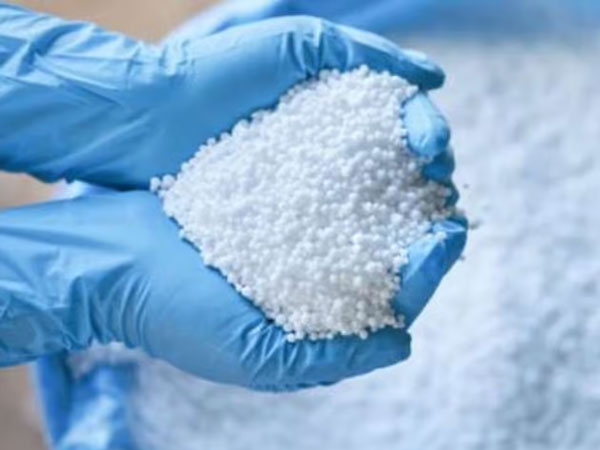
 Authorities say local stocks remain stable even as global markets tighten.
EGYPT – Egypt’s Cabinet Media Center has dismissed claims of a fertilizer shortage, saying supply remains stable ahead of the summer season.
The center said it worked with the Ministry of Agriculture and Land Reclamation to verify the situation after reports spread online. Officials confirmed that more than 6 million fertilizer bags are available across agricultural cooperatives, with factories sending daily shipments to meet demand.
The ministry said the subsidized distribution system continues to run on schedule. It added that the system supports farmers and helps reduce pressure on production costs during the peak season. Authorities have also placed cooperatives on alert and increased checks to make sure supplies reach the right farmers without delays.
Officials also pointed to ongoing efforts to promote biofertilizers and other alternatives. These options aim to lower costs, improve soil health, and support export quality.
The media center warned against false information and urged the public to rely on official updates, noting that such reports could mislead farmers and disrupt planning.
At the same time, global trends suggest rising pressure on fertilizer markets. The World Bank said prices could increase by more than 30% in 2026 due to supply chain strain linked to tensions in the Middle East.
In its latest Commodity Markets Outlook report, the bank noted that the Strait of Hormuz handles nearly one third of global fertilizer trade, with about 16 million tons passing through each year. Disruptions along this route have already pushed prices higher.
Urea reached US$725.6 per ton in March, a 53.7% jump from February. Diammonium phosphate traded at US$658.3 per ton after a 5% increase, while potassium chloride rose from US$372.5 (US$372.5) to US$380.6 (US$380.6) per ton. The overall fertilizer price index increased by more than 12% between late 2025 and early 2026.
“Fertilizers have never been so unaffordable since 2022, eroding farmers’ incomes and threatening future crop yields,” the World Bank said.
The report expects urea prices to average around US$675 per ton this year, close to 60% higher than in 2025. It also warned of further risks.
“Among the main upside risks are the continuation of severe constraints on maritime transport in the Middle East or a resumption of hostilities, which could exacerbate shortages,” the bank said.
While Egypt reports stable local supply, rising global costs may still affect farmers through import prices and input costs in the months ahead.









© Copyright 2025 The SSResource Media.
All rights reserved.