

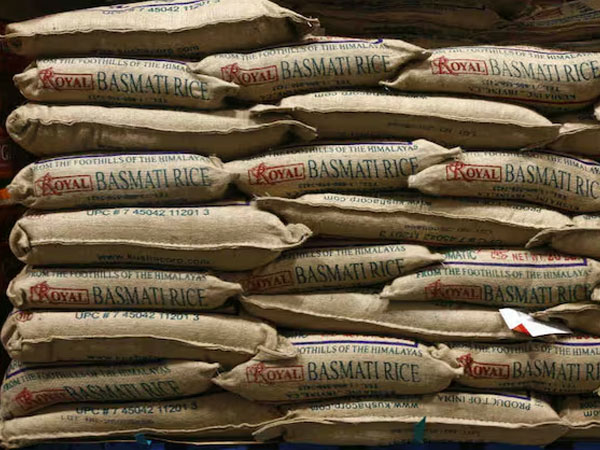
 A sharp fall in the Iranian rial and the withdrawal of food-import subsidies have forced Indian exporters to halt basmati shipments, hitting millers in Punjab and Haryana.
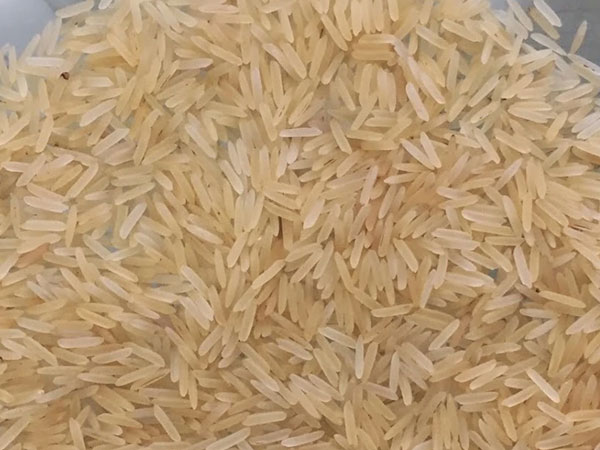
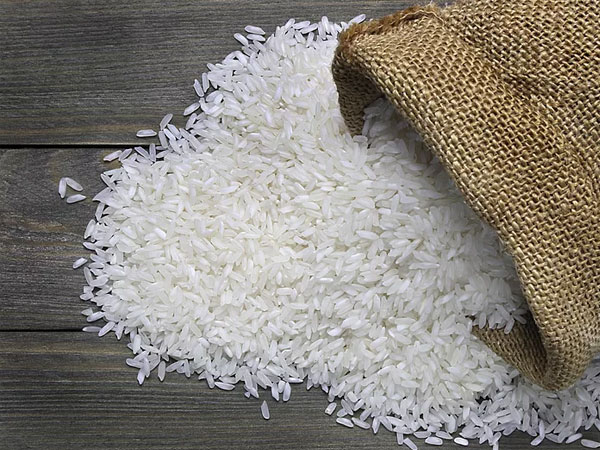
Exports of premium basmati rice to Iran have again run into trouble, with Indian exporters putting shipments on hold after Tehran withdrew subsidies on food imports. Consignments worth at least Rs 2,000 crore are currently stuck at international ports awaiting clearance for shipment to Iran, according to a report by Hindustan Times.
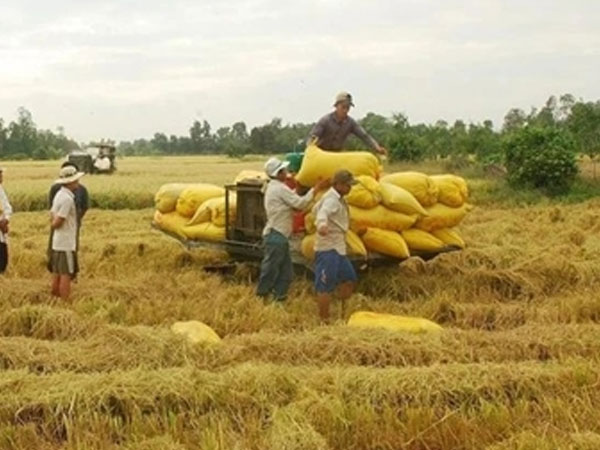
The disruption has hit producers and processors in Punjab and Haryana, India’s key basmati-growing states.
Rial crash triggers subsidy withdrawal
The latest setback follows a sharp fall in the Iranian rial after the tightening of US sanctions. With the currency touching a record low against the US dollar, the Iranian government has stopped providing subsidised exchange rates for food imports, the Hindustan Times report said.
“Due to the sharp depreciation of the Iranian rial against the US dollar, which has reached a record low, the Iranian government has refused to continue subsidies on food imports that were in place for many years. This has made exporters reluctant to carry on trade,” Punjab Rice Millers Association vice-president Ranjit Singh Jossan told Hindustan Times.
Barter route already shut
Trade with Iran had earlier been facilitated through a barter arrangement after banking channels were constrained by sanctions. That system ended when India stopped importing Iranian oil.
“Despite this, Iran continued to import food products such as tea, basmati rice and medicines from India, but now it appears that these imports are also being curtailed,” Jossan said.
Why Iran matters for Indian basmati
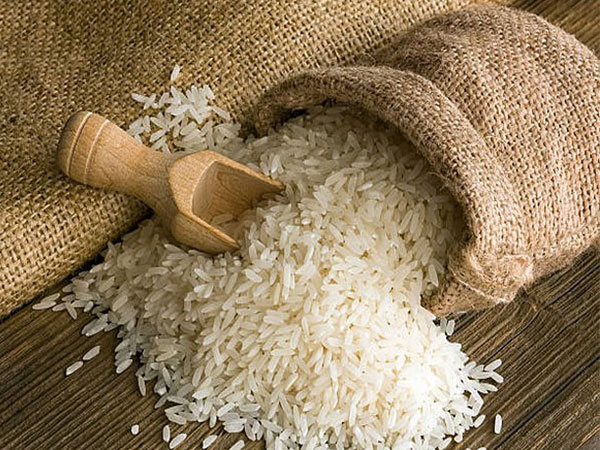
Iran has been one of the largest buyers of Indian basmati rice, importing about 12 lakh tonnes annually, valued at roughly Rs 12,000 crore. Around 40% of these supplies come from Punjab and Haryana, making the Iranian market critical for millers and exporters in the region.
Prolonged uncertainty has already begun to weigh on the sector. Rice millers said prices of processed basmati varieties have fallen by Rs 3–4 per kg, raising concerns that farmers’ realisations could weaken if the disruption persists.
Exchange rate shock upends trade cycle
Before the Iran–Israel conflict, the exchange rate stood at around 90,000 rial per US dollar. It has since weakened to about 1,50,000 per dollar, sharply raising import costs. Iran had earlier offered a preferential rate of 28,500 rial per dollar for food imports, a facility that has now been withdrawn.
Iran typically halts overseas imports around June 21 when its domestic harvest arrives and resumes buying in September. Indian exporters usually build inventories during this lean window. The current freeze has disrupted that cycle, tightening cash flows for millers ahead of the next procurement season.







© Copyright 2025 The SSResource Media.
All rights reserved.