

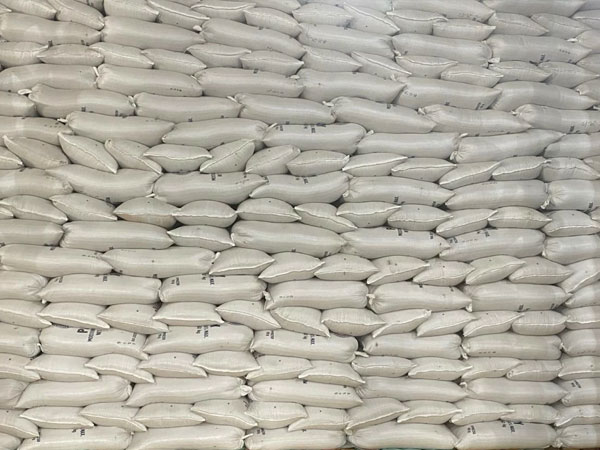
 State-run National Food Authority (NFA) is seeking temporary powers from the government to help make rice more affordable, including the option to sell directly to consumers and conduct emergency purchases, as prices of the staple grain climb due to rising fuel costs.
NFA Administrator Larry Lacson said there is an urgent need to streamline the logistical process in the government’s rice distribution system to allow stronger intervention in the market amid the threat of higher rice prices.
Currently, NFA can only unload its rice stocks purchased from local farmers through government initiatives such as the ₱20-per-kilo rice program, where also state-run Food Terminal Inc. (FTI) buys the stocks and sells them through local government units (LGUs) or through Kadiwa centers.
“For the meantime, while there is a crisis, the NFA should be allowed to sell directly to the market. This way, we can directly remove that layer,” Lacson told reporters.
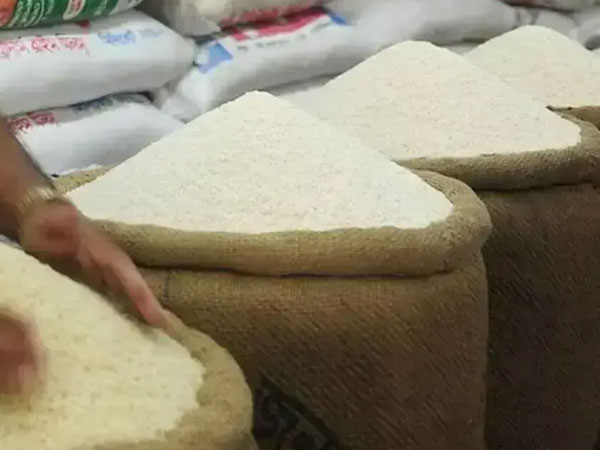
Lacson said NFA plans to sell rice at ₱33 per kilo, the same selling price offered to FTI.
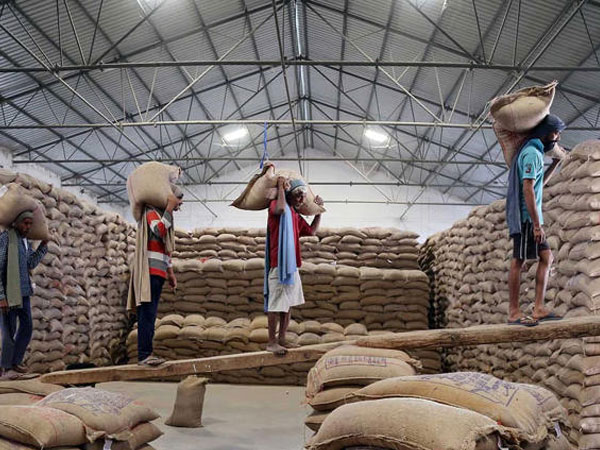
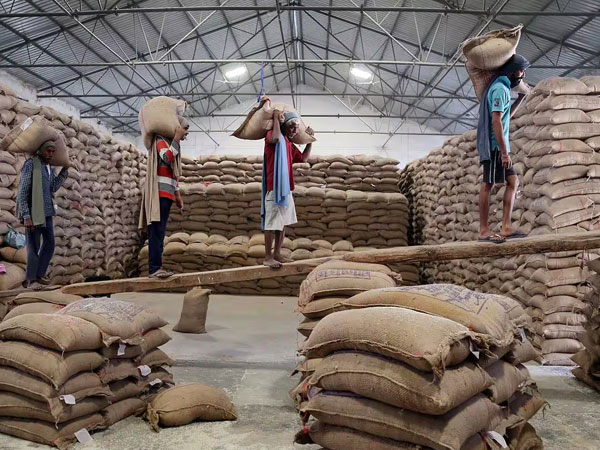
By selling rice below prevailing market prices, he said the agency could clear out stocks across its more than 300 warehouses nationwide, enabling it to buy more palay (unmilled rice) from farmers as the harvest season nears its end.
The current rice buffer stock is estimated at six million 50-kilogram bags of milled rice, or about 360,000 metric tons (MT), equivalent to 10.3 days of national consumption.
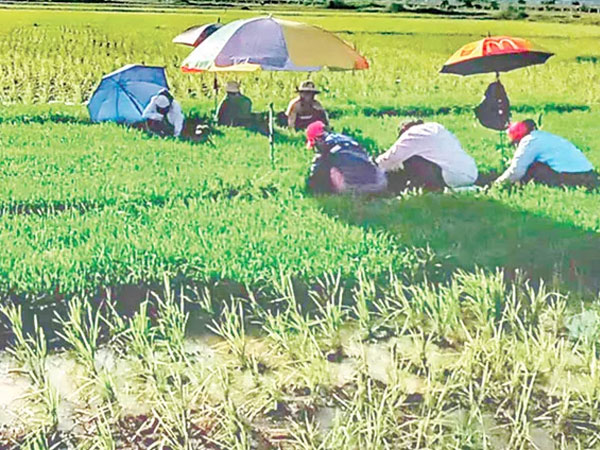
At present, NFA buys palay at ₱17 per kilo for fresh or wet palay and ₱21 per kilo for the dry variety. Lacson said the agency plans to “slightly” increase its buying price by the end of the month to compete with private traders and replenish its stocks.
He added that NFA is also recommending the implementation of an “emergency purchase” scheme to expedite rice procurement by expanding logistics in moving stocks nationwide, including the addition of more trucks.
If approved, Lacson said the agency would also seek to fast-track the milling process, which is typically slowed by the bidding procedure.
The proposed measures could be incorporated into a legislative bill granting Ferdinand “Bongbong” Marcos Jr. emergency powers to reduce fuel excise taxes amid rising prices.
Last week, Marcos certified the measure as urgent as the government seeks to shield consumers from the economic impact of the ongoing conflict in the Middle East.
“For now, we have to follow all the rules. That’s why we’re a bit slow. But if the emergency power is already there, and we were given a mandate to do those [initiatives], then we’ll be faster,” Lacson said.







© Copyright 2025 The SSResource Media.
All rights reserved.