

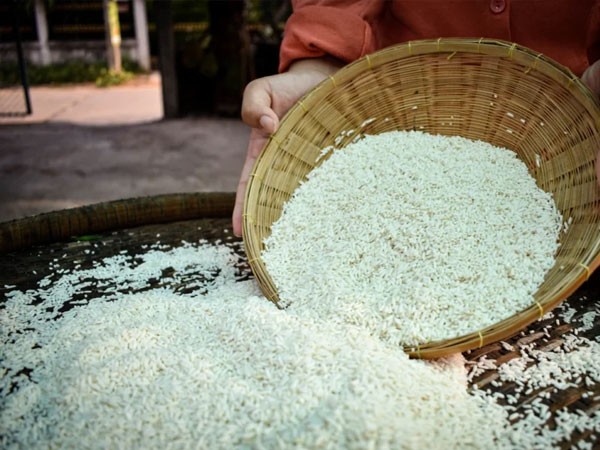
 "Thai rice exports" by 2568 are projected to exceed the target of 7.9 million tons, worth 1.48 billion baht, despite facing price competition from key competitors Vietnam, India, and Pakistan. 2569 will remain challenging due to increased global production.
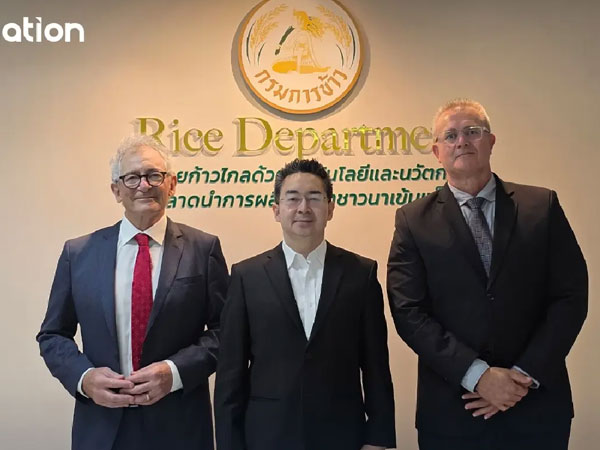
January 22, 2569 – Ms. Arada Fuangthong, Director-General of the Department of Foreign Trade, Ministry of Commerce A summary of Thailand's rice exports in 68 reveals a volume of 7.9 million tons, exceeding the target of 7.5 million tons, with a value of 148,204 million baht, or approximately 4,515 million US dollars.
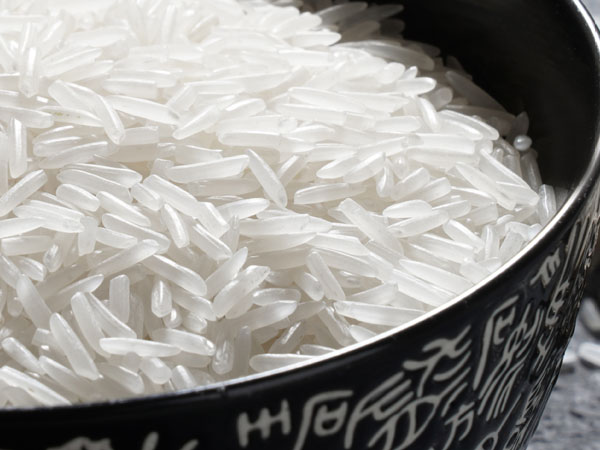
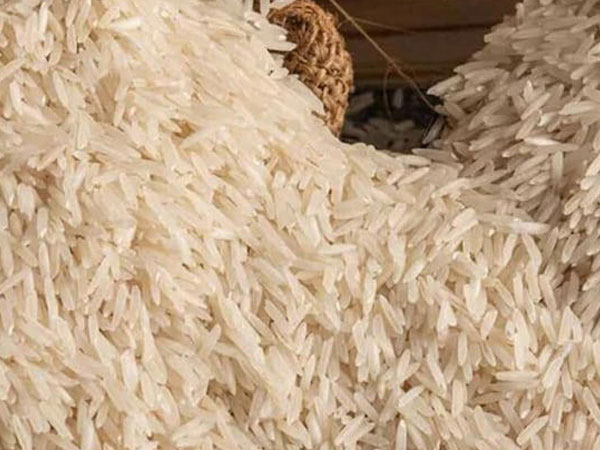
The type of rice that Thailand exports the most. คือ White rice At a volume of 3.62 million tons, representing 45.82% of Thailand's total rice exports, this represents a decrease of 39.87% from the previous year. The next highest export volume is... Thai Jasmine Rice 1.76 million tons (an increase of 0.57%) parboiled rice 1.51 million tons (an increase of 18.90%) Thai fragrant rice 0.59 million tons (down 6.35%) sticky rice 0.33 million tons (an increase of 10%) andbrown rice 0.09 million tons (an increase of 200%)
Overall, Thai rice exports of all types increased compared to the previous year, except for white rice and fragrant rice, which saw a decrease in export volume due to intense price competition from major exporters such as Vietnam, India, and Pakistan.
For the main rice export markets: namely Iraq The volume was 1 million tons (similar to the previous year, with a slight increase of 0.41%), followed by... แอฟริกาใต้ 0.88 million tons (an increase of 5.11%) U.S. 0.82 million tons (down 3.60%) China 0.65 million tons (an increase of 48.95%) andSenegal 0.29 million tons (down 41.10%)
Ms. Arada said 2026 (Year 69 in the Thai calendar) is expected to remain a challenging year, with the rice market situation projected to be similar to that of 2025, characterized by intense price competition. Based on a joint market assessment with the private sector, conducted by the Thai Rice Exporters Association, the global rice market is projected to remain highly competitive due to increased global rice production.
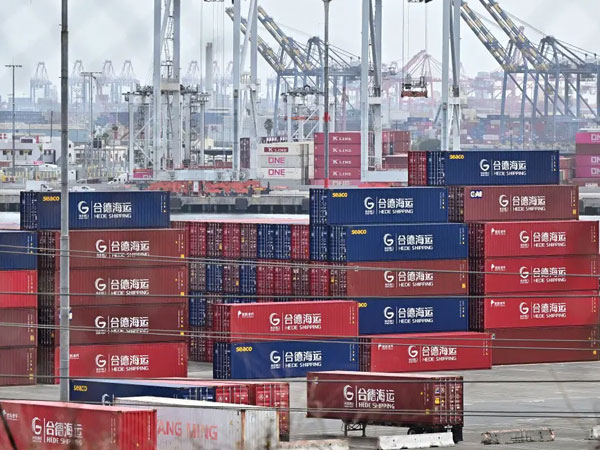
While the demand for rice imports from key trading partners like Indonesia is projected to decline significantly due to their food self-sufficiency policies, Thai rice exports may also be affected by the global economic situation, the appreciation and volatility of the Thai baht, and geopolitical conflicts that could impact transportation costs.
However, amid concerns about geopolitical conflicts, some rice importing countries may increase their rice stockpiles to enhance food security, which could present an opportunity for rice exports. Therefore, it is projected that Thai rice exports in 69 will reach 7 million tons.
The Department of International Trade has prepared a plan to boost rice exports to ensure there are orders to absorb Thai rice production. This will involve collaboration with the private sector, focusing on maintaining existing markets and expanding into promising new markets.
The department will continuously organize trade delegations to strengthen relationships and build confidence with key rice importers such as Japan, China, the United States, Canada, and South Africa, in order to further trade cooperation and increase export opportunities. Furthermore, it will continue to negotiate and promote government-to-government (G to G) rice sales with the Chinese and Singaporean governments.
Furthermore, there are plans to expand the market for refined rice to potential countries such as Germany, Switzerland, and the United States. This includes continuing to promote and reinforce the positive image and uniqueness of Thai rice through international trade fairs, connecting small-scale producers with importers for business negotiations. The department also plans to promote Thai rice online to raise awareness and stimulate demand for Thai rice among a wider audience, including younger generations.



© Copyright 2025 The SSResource Media.
All rights reserved.