

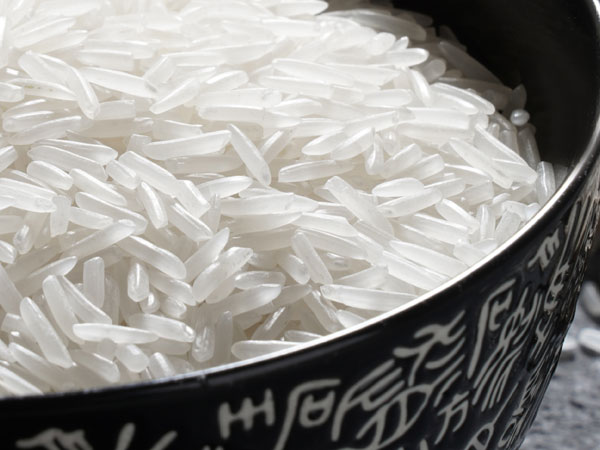
Ghana and the Republic of Korea are deepening agricultural cooperation through a regional training programme designed to strengthen certified rice seed production and accelerate efforts toward rice self-sufficiency across West Africa.
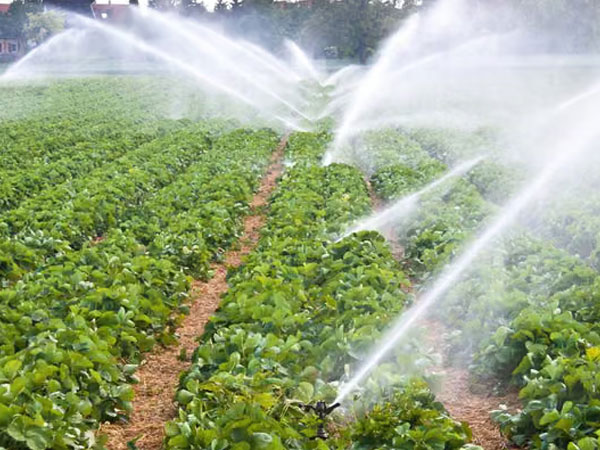
The three-day Certified Rice Seed Production Technology Training Programme, organised by the Korea Partnership for Innovation of Agriculture (KOPIA) Ghana Centre in collaboration with the Council for Scientific and Industrial Research (CSIR) and Korea’s Rural Development Administration (RDA), was held from June 16 to 18 at the Dawhenya Irrigation Scheme site.
The initiative builds on progress made under the K-Rice Belt Project (2023–2027), which has supported the development and multiplication of improved rice seed varieties, including KoreaMo, Agyapa, AGRA Rice and Legon Rice 1.
Speaking at the programme, Director of KOPIA Ghana Centre, Dr. Young Jin Kim, said the successful production of certified rice seed represented a major milestone in efforts to improve rice productivity and food security.
“Certified seed production is not only a technological milestone. It guarantees consistency, reliability and higher productivity while creating greater prosperity and opportunities for rice farmers throughout Ghana,” he said.
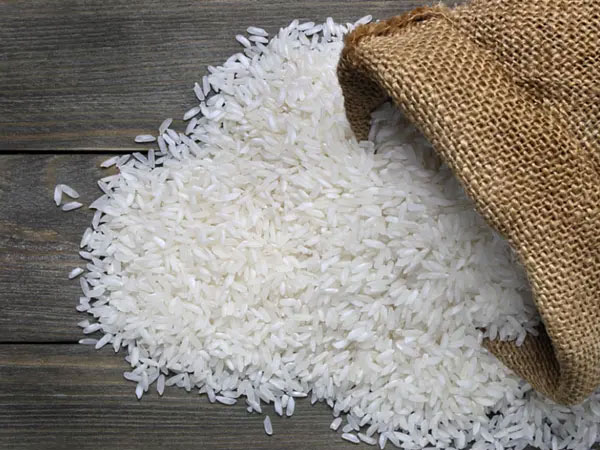
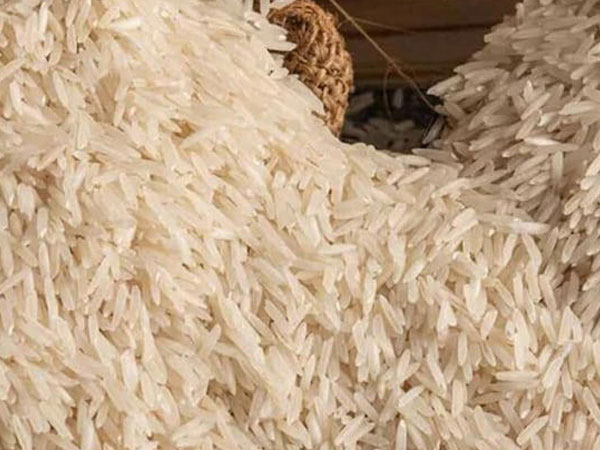
According to KOPIA, approximately 1,580 metric tonnes of certified rice seed have so far been distributed to farmers nationwide. The project aims to produce 5,000 metric tonnes by 2027, enough to cultivate about 100,000 hectares of farmland, representing a significant share of Ghana’s rice-growing area.
The training programme brought together rice seed producers, agricultural extension officers, researchers and specialists from Ghana and five other West African countries. Participants received both theoretical and practical instruction on certified seed production systems, varietal characteristics, fertiliser application, water management, pest and disease control and seed certification procedures.
Field demonstrations at the Dawhenya Irrigation Scheme include rogueing of off-types, weed identification, direct seeding techniques and machinery operation involving tractors, combine harvesters and direct-seeding equipment.
Participants also toured varietal demonstration plots, weed-control trial fields and K-Rice Belt Project sites to observe best practices in certified seed production and modern rice cultivation.
Organisers said the programme forms part of efforts to enhance regional food security, reduce dependence on rice imports and improve farmer incomes through access to high-quality certified seed.
The K-Rice Belt Project, a flagship agricultural cooperation initiative between Ghana and Korea, seeks to expand certified seed production capacity and promote sustainable rice sector development across West Africa.


© Copyright 2025 The SSResource Media.
All rights reserved.