

 While Indonesia is stepping up measures to respond to the drought risk caused by El Nino, Vietnam's rice exports are still expected to maintain a positive outlook in the second half of 2026.
Indonesia intensifies response to drought risk.
According to the latest rice industry bulletin from the Center for Agricultural and Environmental Information and Services (Institute of Agricultural and Environmental Strategy and Policy, Ministry of Agriculture and Environment ), Indonesia is strengthening measures to respond to the risk of drought due to El Nino, as the dry season is predicted to peak in August 2026.
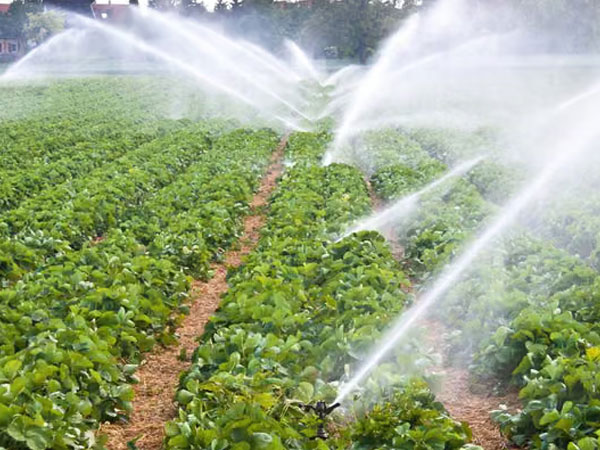
According to the Indonesian Ministry of Agriculture , the country is implementing an early warning system and mitigation measures such as repairing irrigation networks, reviewing water sources, deploying pumps, and adjusting weather patterns.
The government plans to install additional pumps capable of irrigating 1 million hectares of agricultural land before the end of July 2026, thereby increasing the total irrigated area to approximately 3 million hectares nationwide.
In addition, farmers are encouraged to use drought-resistant varieties, adjust planting schedules, and participate in agricultural insurance. Alongside these measures to protect production, Indonesia has also increased its rice reserves held by Bulog to a record 5.3 million tons to proactively respond to future supply risks.
In the second half of 2026, Vietnam's rice exports are still expected to maintain a positive outlook. International forecasts indicate that El Nino may appear from July 2026 with a high probability, and even risk developing into a "super El Nino" in 2027, thereby putting pressure on rice production in some major exporting countries such as India, Thailand, and Indonesia.
However, due to the relatively abundant global rice supply, the market has not yet fallen into a state of shortage like in the 2023-2024 period.
Therefore, world rice prices may rise in the short term, but a sustained price increase is unlikely. In this context, opportunities for Vietnamese rice still stem from stable demand in major markets such as the Philippines and China, but the focus should be on improving quality and added value.
According to industry experts, global rice demand is not expected to fluctuate significantly in the near future, so farmers and businesses should not chase short-term price signals.
Instead, the rice industry needs to focus on building stable raw material areas and developing high-quality rice varieties. With approximately 3.8 million hectares of rice land and over 7 million hectares planted annually, if the right direction is taken, Vietnam can gradually shift from aiming to increase production volume to increasing value.
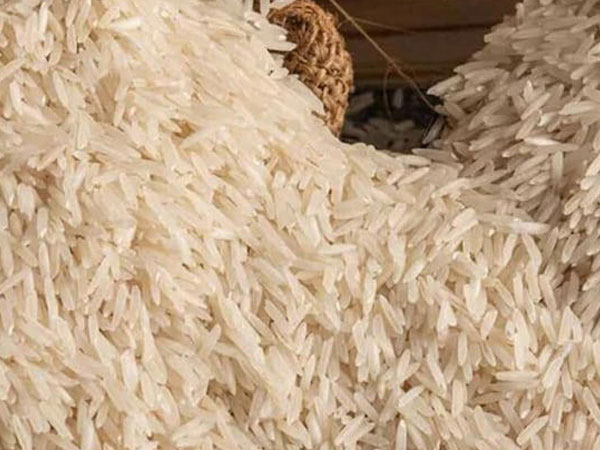
During the week of June 15-19, 2026, the price of 5% broken rice from Thailand increased, India decreased, while Vietnam remained unchanged compared to the previous week.
Thai 5% broken rice reached $470 per ton, up $8 per ton from last week. Prices are expected to continue rising due to stable demand in Thailand's partner countries.



© Copyright 2025 The SSResource Media.
All rights reserved.