

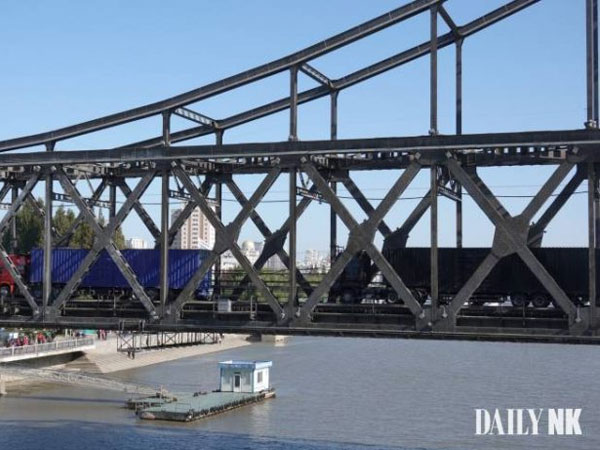
 Exchange rate volatility has slowed following the temporary suspension of state-sponsored smuggling, but imported goods like gasoline and diesel are rising as new trade permits remain delayed
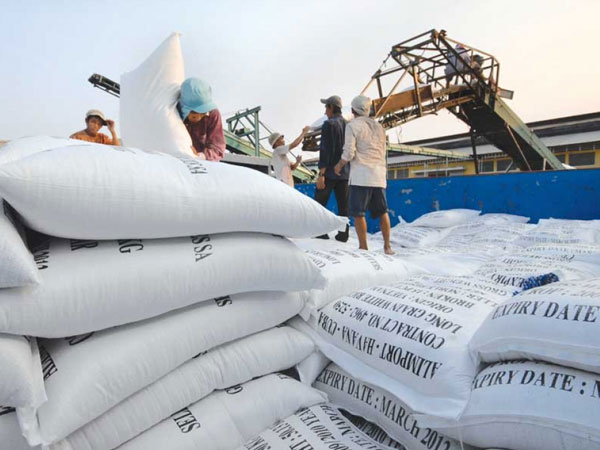
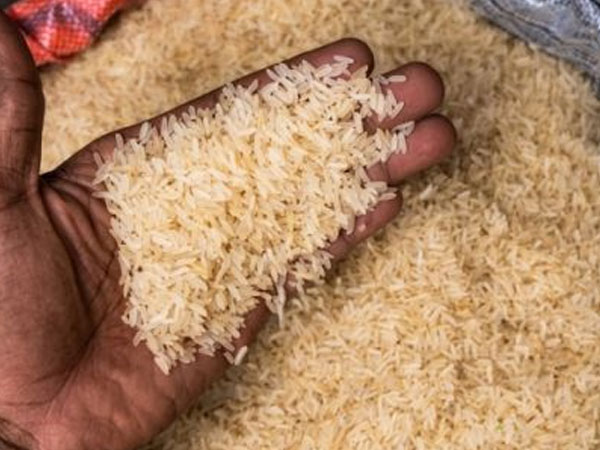
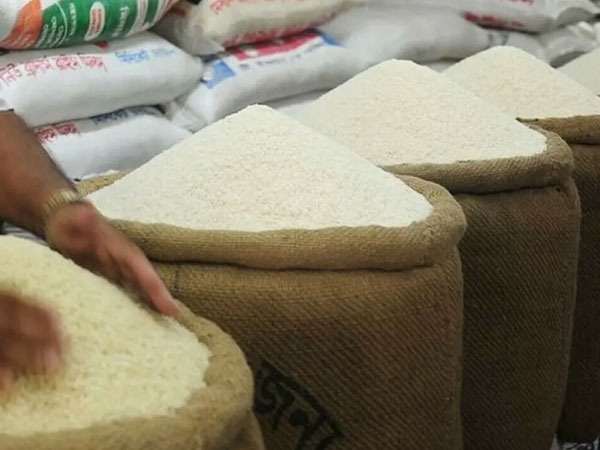
The market price of rice in North Korea has been falling since December, but the price of corn—a staple for low-income earners—has been moving up.
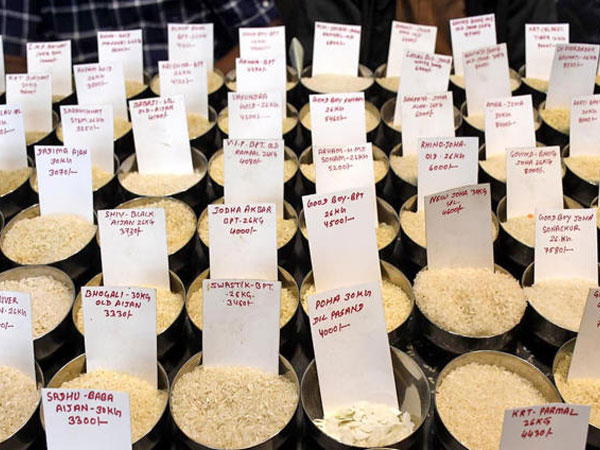
According to Daily NK’s regular survey of North Korean market prices, a kilogram of rice traded for 18,000 North Korean won in Pyongyang on Jan. 4. That was 10% lower than prices in the Dec. 7 survey, about a month before, and 5.8% lower than the Dec. 21 survey, two weeks before.
The survey found similar movements in rice prices at markets in other areas. A kilogram of rice traded for 17,900 won at a market in Sinuiju, North Pyongan province, as of Jan. 4. The latest price was 11.4% lower than the one reported in early December.
The falling prices at North Korean markets are apparently driven by the arrival of this year’s rice crop at markets in early December.
But unlike rice, corn prices have been rising sharply.
A kilogram of corn traded for 4,800 won at a marketplace in Pyongyang and 4,900 won in Sinuiju on Jan. 4. Those prices jumped a whopping 26.3% and 32.4%, respectively, from the survey a fortnight earlier.
Diverging grain prices hit the poor hardest
In the past, falling rice prices pushed demand from corn to rice, causing corn prices to fall as a consequence. But that correlation has not been observed recently.
Since rice currently costs more than three times as much as corn at North Korean marketplaces, a decrease in rice prices does not meaningfully improve low-income earners’ purchasing power.
In related news, the sharp rise in foreign exchange rates in North Korea observed through mid-December appears to have tapered off at the end of the month.
As of Jan. 4, the won-to-dollar exchange rate at a Pyongyang market was 39,200, just 0.5% higher than in the previous survey. That was much slower than the exchange rate’s jump from 36,300 in early December to 39,000 in the second half of the month.
The won-to-yuan exchange rate held fairly steady, with one Chinese yuan trading for 5,300 won in Pyongyang on Jan. 4, down 0.9% from the previous survey. That minor decline followed an 11.6% jump from 4,750 won in early December to 5,350 later in the month.
At marketplaces in Sinuiju, North Pyongan province, and Hyesan, Ryanggang province, the won-to-dollar and won-to-yuan exchange rates exhibited behavior similar to Pyongyang.
The slowing rise in exchange rates appears linked to the North Korean government’s temporary suspension of state-sponsored smuggling at the end of December.
The delayed issuance of new trade permits following the government’s year-end review of trade figures has apparently disrupted trading activities in the border area.
But there are rumors that new permits will be issued in mid-January, which would allow state-sponsored smuggling to resume and could also trigger further volatility in exchange rates.
With fewer imported goods currently available on the market, prices of imported goods appear to be rising. On Jan. 4, gasoline sold for 43,100 won and diesel for 41,900 won per kilogram at a marketplace in Pyongyang, representing an increase of 3.9% and 6.6%, respectively, from the previous survey.










© Copyright 2025 The SSResource Media.
All rights reserved.