

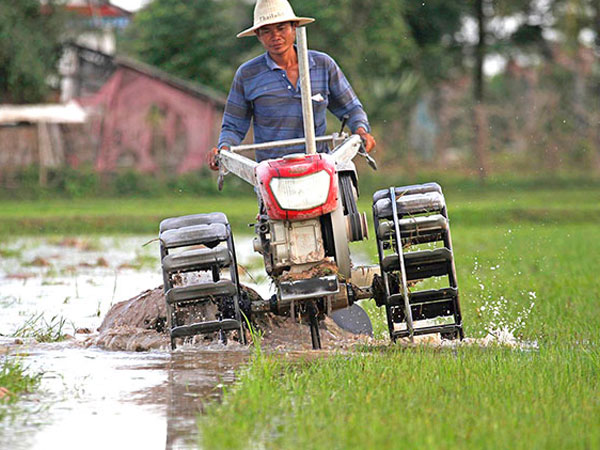
 Synopsis: Agricultural economists warn that sustained low prices could squeeze profit margins, particularly for smallholders facing rising input costs such as fertilisers, fuel, and labour. Farmer associations have called for closer monitoring of paddy prices to ensure growers receive fair returns.
A bumper rice harvest across Southeast Asia has driven prices down sharply, with declines of as much as 30 percent recorded in several countries, including Cambodia, according to the latest assessments from the Food and Agriculture Organization (FAO).
The UN agency’s monthly Food Price Monitoring and Analysis Bulletin released on Wednesday said that despite a 1.8 percent increase in world rice prices between December and January, quotations remained well below year-earlier levels across Southeast Asia.
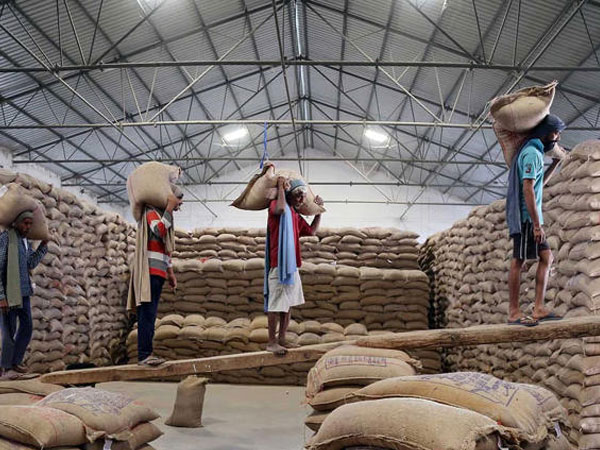
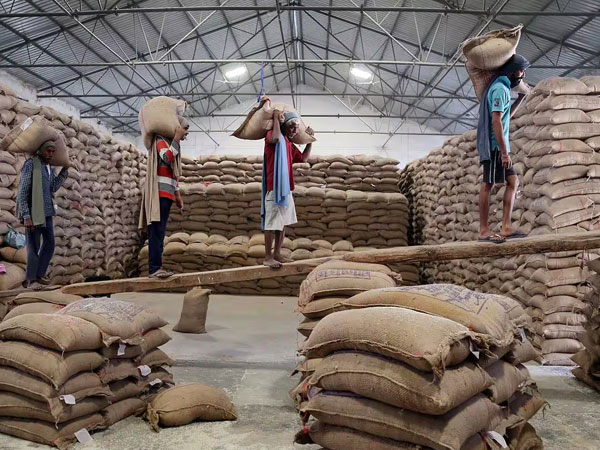
Improved weather conditions, expanded planting areas, and higher yields during the last main season have significantly boosted regional output. The increased supply has eased pressure on domestic markets and export prices, reversing some of the volatility seen in previous years when climate disruptions and export restrictions tightened global availability.
In Cambodia, rice prices have fallen by between five and 25 percent, according to a statement from the Ministry of Commerce. The ministry attributed the decline primarily to strong domestic production combined with improved harvests in neighbouring countries, which together have increased supply across the region.
The bulletin noted the Cambodian Government’s allocation of $40 million in November last to buy rice from farmers at fair prices, “with the aim of stabilising falling domestic prices of rice and safeguarding farmers’ livelihoods”.
In Vietnam, wholesale prices in January were between 10 and 30 percent below year-earlier levels, “reflecting ample market availability from the above-average 2025 harvests and subdued international demand,” the bulletin said.
Vietnamese sales to Filipino buyers after last month’s removal of a Philippine import ban on non-speciality rice “proved insufficient to offset downward pressure exerted by large exportable supplies and subdued demand from other buyers.”
In Thailand, prices were about 25 percent below year-earlier levels in January, following a downward trend between June 2024 and October 2025.
“A slowdown in sales led to price declines, despite the continued appreciation of the baht against the United States dollar,” the bulletin said.
In Myanmar, prices in January were about 10 percent down from a year earlier but “remained relatively high following the sharp increases between 2022 and 2024 linked to high input and transport costs, ongoing conflict and flood-related disruptions in mid-2025.”
In the Philippines, retail prices of regular and well-milled rice in January were 8 to 10 percent lower year-on-year, reflecting adequate availability from the main harvest and secondary harvest currently underway.
Elsewhere in Asia, the wholesale national average price of Indica rice in China in January was about four percent lower year-on-year, reflecting ample market availability from the record production harvested in 2024 and 2025.
For Cambodian consumers, the price decline offers short-term relief amid broader cost-of-living pressures. Lower staple food prices can help stabilise household budgets, particularly for lower-income families that spend a large share of their income on food. Retailers in Phnom Penh and provincial towns have reported modest reductions in rice prices, though the extent of pass-through varies.
However, the drop presents challenges for farmers. Agricultural economists warn that sustained low prices could squeeze profit margins, particularly for smallholders facing rising input costs such as fertilisers, fuel, and labour. Some farmer associations have called for closer monitoring of paddy prices to ensure growers receive fair returns.
The Ministry of Commerce said it is continuing to monitor domestic and international market trends to maintain stability. Officials emphasised the importance of balancing farmer incomes with consumer affordability, especially as Cambodia positions itself as a competitive rice exporter.
It may be noted that the Royal Government of Cambodia allocated $40 million through its financing programme via the Agricultural and Rural Development Bank (ARDB) to stabilise rice prices during the harvest period from November to December 2025 and early 2026.
The move aimed to promote agricultural products, expand market opportunities, and stabilise agricultural prices. The fund provided working capital to rice mills to collect and purchase as much rice as possible from farmers at fair prices.
Analysts note that global rice markets remain sensitive to weather patterns, geopolitical developments, and policy decisions by major exporting countries. While the current bumper harvest has eased supply concerns, any disruption in the next planting season could quickly alter the outlook.
For now, abundant production has shifted the market dynamic in favour of buyers. Whether the downward trend persists will depend largely on upcoming harvest forecasts and regional trade flows in the months ahead.







© Copyright 2025 The SSResource Media.
All rights reserved.