

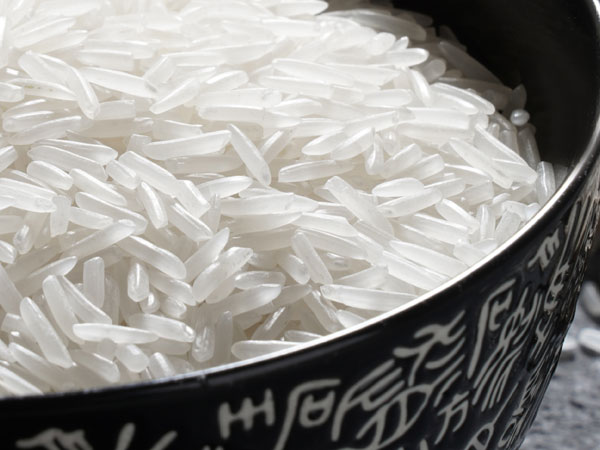
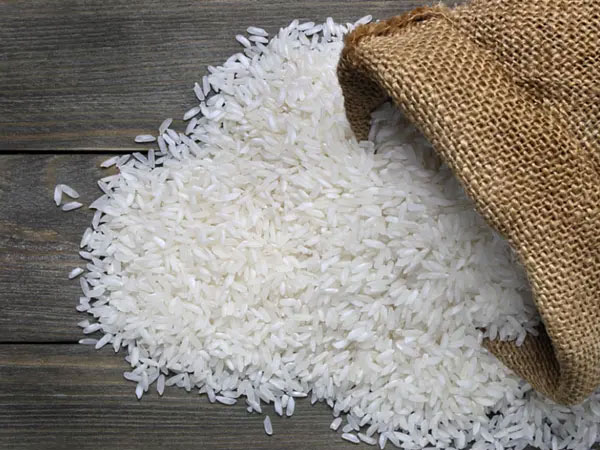
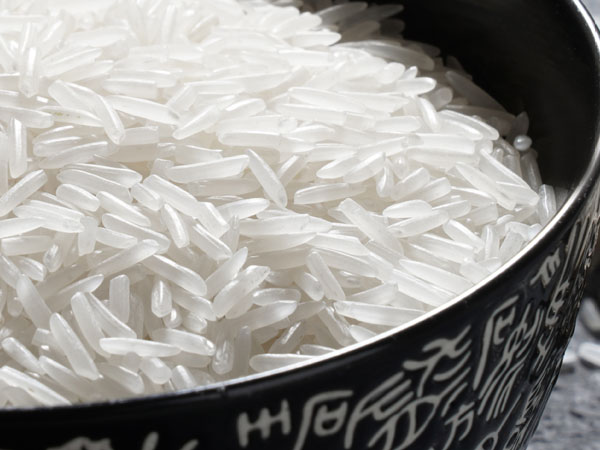
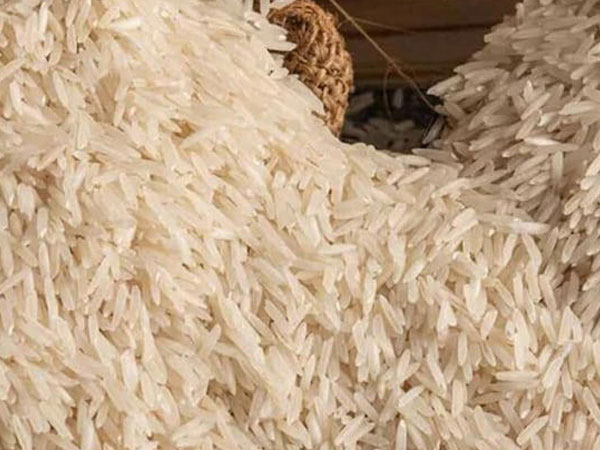
 Rice is a staple food for billions. However, its prices vary and heavily impact the market and economy. Currently, in the significant development regarding rice prices, Global rice prices have witnessed a surge of 11.1 % in mid-February 2026. Notably, this surge can be observed as a separate one from the trends in the other agricultural commodities, such as corn and sugar, which remain under pressure from oversupply. Interestingly, this recovery indicates major shifts in the global supply- demand balance since rice is an essential food for more than half of the world’s population. Apparently, this surge has already affected the flows of international trade. Not only this, but it also unsettles some significant importing countries concerning food security.
Reason behind rising rice prices
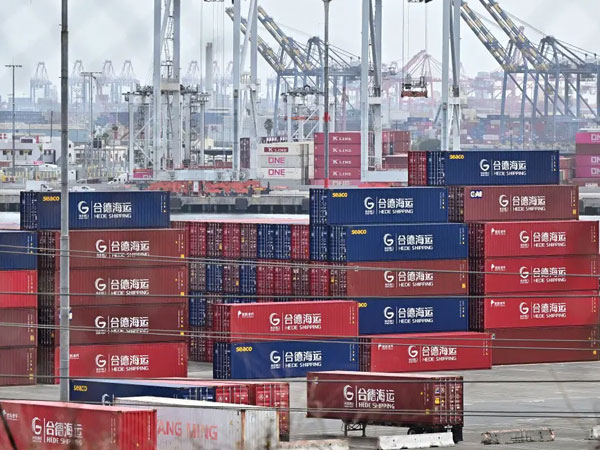
When it comes to the major reason behind this rising rice price, a fact emerges stating a recovery in demand following India’s decision to lift export restrictions in late 2025. This situation has shut down the expectations that increased supply would push prices lower. Consequently, importers in Africa and the Middle East rushed to renew depleted inventories and create logisticalbottlenecks, leading to higher prices. In addition, seasonal demand before Ramadan and the Lunar New Year in Asian Countries provided additional support to the market.
Complications added by domestic disruptions in Japan
Furthermore, the situation was worsened by domestic disruptions in Japan since the retail rice prices nearly doubled due to delays in releasing government stockpiles and rigid pricing policies by agricultural cooperatives. In this aftermath, this led to stockpiling by consumers and boosted sentiment among global traders, who began expecting supply risks. Notably, India’s record rice production of 152 million tons was not sufficient to fully satisfy global demand.
Who are the primary beneficiaries of this recovery?
Evidently, Asian exporters and significant rice processing and trading companies become beneficiaries of the recovery by gaining stronger export margins amid higher prices and increased sales volumes. Meanwhile, global food manufacturers are battling with rising raw material costs, which could translateinto higher prices for rice-based food products. Analysts threaten that if the current price persists, consumers may soon witness prices rise in a range of processed foods.
Particularly, Market participants anticipate future price fluctuations to rely on how quickly demand from significant importing countries is met and on crop performances in significant producing countries. Additionally, climate risks and the ongoing diversification of sourcing strategies by large importers could keep prices elevated throughout 2026. Now, this trend highlights a structural shift in global agricultural markets, with rice increasingly showing independent price dynamics compared to other significant grains.







© Copyright 2025 The SSResource Media.
All rights reserved.