

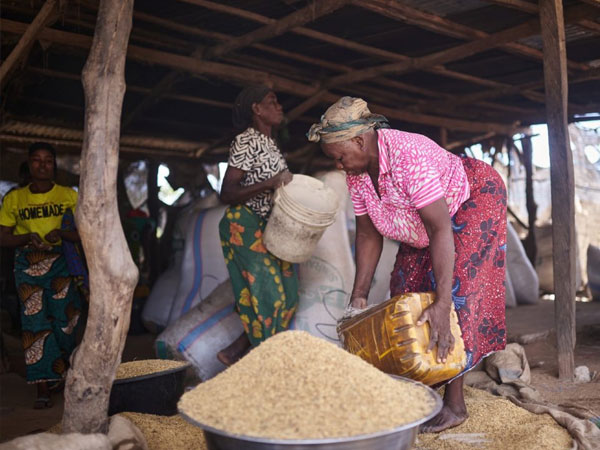
 The mini-grid is transforming local agriculture, powering a major rice-processing cluster and improving energy access in rural Nigeria
Plateau State has commissioned a 50kWp solar mini-grid in Namu, Quanpan Local Government Area, marking the first project delivered under the Global Environment Facility-funded Africa Mini-Grid Programme (AMP).
Officials said the installation is already transforming local agriculture, powering a major rice-processing cluster and improving energy access for more than 100 households.
The facility was inaugurated last Wednesday by Plateau State Governor Caleb Mutfwang, the Managing Director of the Rural Electrification Agency (REA), Abba Aliyu and the UNDP Nigeria Resident Representative, Elsie Attafuah.
They described the project as a milestone for rural electrification and a model for Nigeria’s clean energy transition.
The AMP, implemented by the REA in partnership with UNDP, will deploy 23 solar mini-grids across Nigeria to expand last-mile access and unlock economic activity in agrarian communities. The Namu system is the first to go live and authorities say early results underscore the programme’s wider potential.
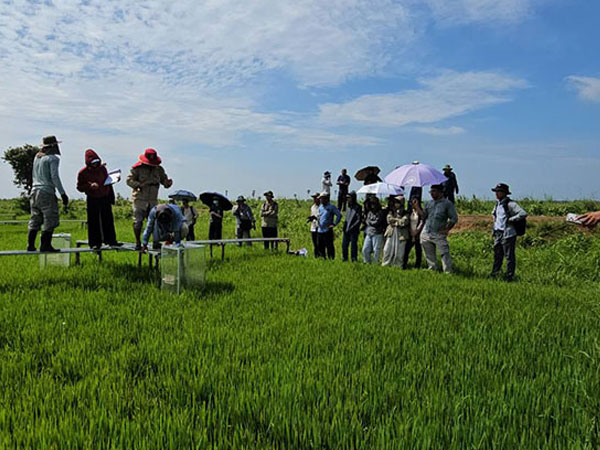
Just metres from the installation, the Namu rice cluster, a community of processors who have long relied on diesel generators has shifted to uninterrupted, cleaner and cheaper solar power.
Impact of mini-grid on daily life in rural Nigeria
Aliyu said the change has already increased milling hours, boosted productivity and reduced daily costs for small operators. Women, who form a significant portion of the rice value chain, are among the first beneficiaries, reporting higher output and more manageable workloads.
Local leaders expect the mini-grid to support the milling community’s goal of producing up to 500 bags of rice a week, while cutting carbon emissions and eliminating noise and air pollution associated with diesel-powered mills.
“What we saw in Namu is proof that when we electrify a community, we energise its economy, its people and its future,” said Aliyu.
The REA has indicated that additional renewable energy installations will be rolled out across Quanpan LGA and other parts of Plateau State in the coming months as part of a broader effort to expand decentralised, climate-aligned power systems.
Developments in RE sector in Nigeria
The commissioning follows a week of institutional developments for the REA. On Friday, Aliyu signed two memoranda of understanding aimed at strengthening skills development and accelerating decentralised energy deployment.
Under a partnership with Premplus, 15 REA workshop and training centres will be converted into National Energy Innovation Hubs to nurture local talent and support the development of homegrown energy solutions.
A second MoU with ME Renewable Energy & Instrumentation sets out a framework to scale decentralised clean energy projects across unserved and underserved communities nationwide.
Aliyu siad the agreements signal a shift from policy ambition to practical delivery.
“Nigeria’s clean-energy transition is moving from intention to implementation, and we are bringing the right partners along with us,” he said.





© Copyright 2025 The SSResource Media.
All rights reserved.