

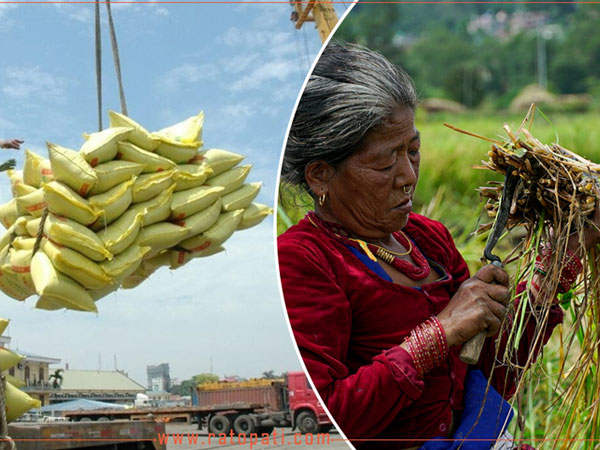
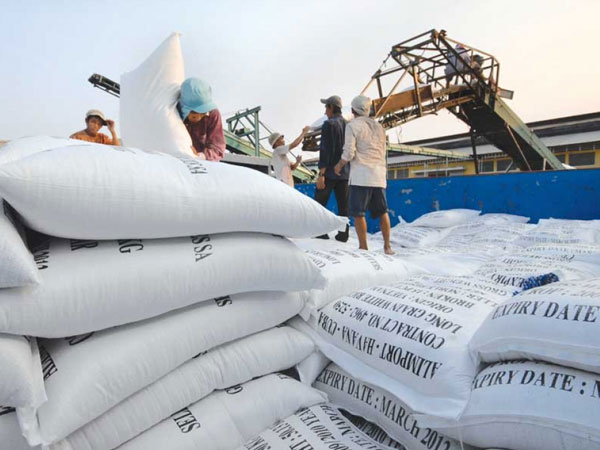
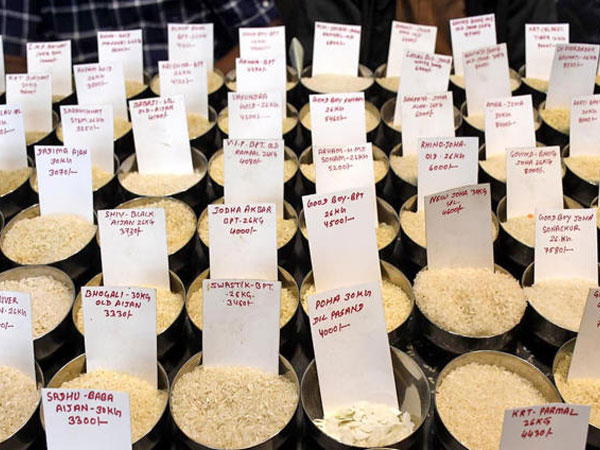
 Kathmandu. Despite the significant contribution of the agricultural sector to the economy of Nepal, a country long described as agricultural, dependence on food imports is rising. Billions of rupees are spent annually on the import of paddy and rice, which are staples in the Nepali diet.
According to data recently released by the Department of Customs, Nepal imported over 32.51 billion rupees worth of paddy, rice, broken rice, and seeds in just the first nine months of the current fiscal year (2082/083).
The import of 638,787 tons of food grains between Shrawan and Chaitra clearly indicates that domestic production is failing to meet demand. While there has been a slight decrease in volume compared to the same period last fiscal year, the monetary value of these imports has increased.
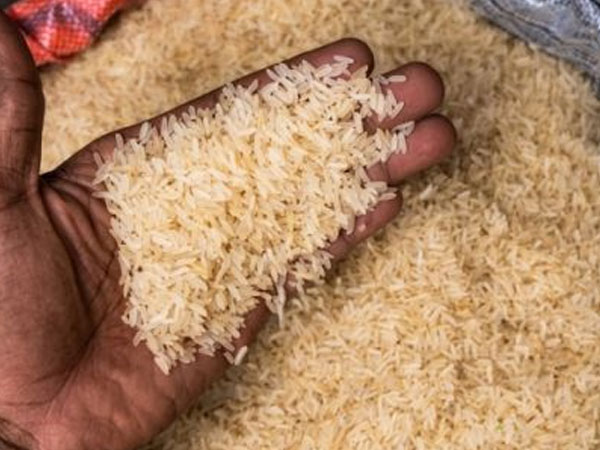
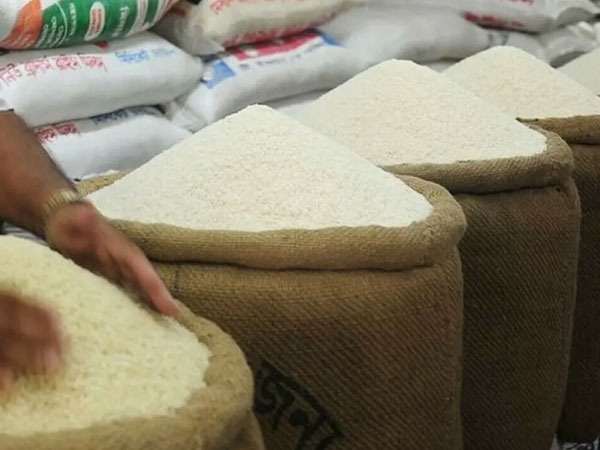
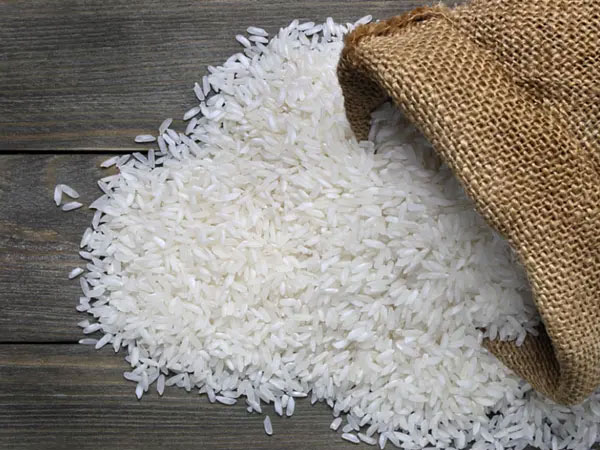
An analysis of the Department of Customs data shows that while paddy imports have declined slightly, rice imports have surged. Paddy imports dropped from 18.05 billion rupees in the first nine months of last year to 15.86 billion rupees this year. Conversely, imports of Basmati and other fine rice varieties have seen a significant increase.
During this period, over 6.81 billion rupees worth of Basmati rice was imported, a notable increase compared to last year. Similarly, imports of other processed rice rose from 8.74 billion to 9.13 billion rupees.
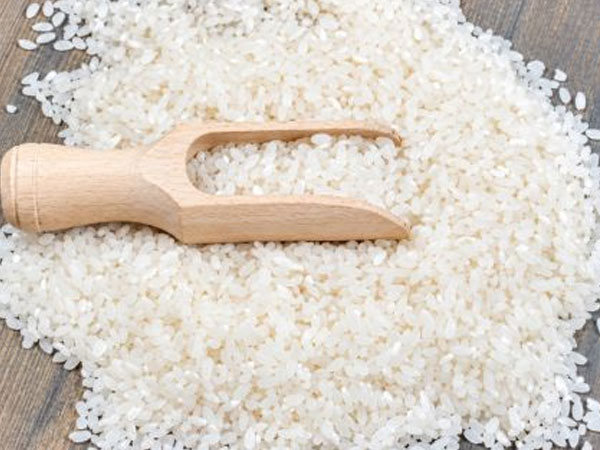
Furthermore, a two-to-three-fold increase in the import of broken rice and paddy seeds highlights weaknesses in Nepal's seed and processing systems. Although the government collected 2.26 billion rupees in revenue from these imports, this achievement is negligible compared to the massive capital outflow.
In this context, agricultural experts have proposed 'Chaitay Dhan' (spring rice) as the only reliable alternative to make Nepal self-reliant in rice production. Although rice is currently cultivated in two seasons—monsoon rice and spring rice—the share of spring rice remains very low. According to Dr. Ramkrishna Shrestha, Joint Secretary and Head of the Agriculture Development Division at the Ministry of Agriculture and Livestock Development, spring rice is currently cultivated on only about 120,000 to 125,000 hectares in Nepal. However, there is technical potential to expand this cultivation to 400,000 to 500,000 hectares of land that have irrigation facilities and year-round water access.
Dr. Shrestha claims that if spring rice cultivation can be expanded to this potential area, Nepal could easily become self-reliant in rice and replace billions in imports. Because spring rice has higher productivity compared to monsoon rice, it is considered a strategic crop.
The production capacity of spring rice is significantly more encouraging than that of monsoon rice. According to crop scientist Bibek Sapkota of the Nepal Agricultural Research Council (NARC), rice is a 'photogenic' crop that requires sufficient sunlight to thrive. 'During the monsoon season, the sky is covered with clouds and there is less sunlight, which limits production. However, in winter and spring, the sky is clear and there is ample sunlight, leading to very high productivity for spring rice,' he said.
According to data from the National Agriculture Modernization project, while the productivity of monsoon rice is 3.8 to 4 tons per hectare, the productivity of spring rice reaches 5 to 6 tons. This means that with the same effort and land, farmers can produce nearly one and a half times more rice by planting the spring variety.
- What are the Challenges for Spring Rice?
Despite such great potential, there are serious challenges to the expansion of spring rice. According to Dr. Ramkrishna Shrestha, the biggest problem is the mismatch between the harvest time and the weather. Spring rice planted in Falgun is ready for harvest by mid-Asar, a time when the monsoon begins in Nepal and heavy rains start.
Farmers face difficulties drying the rice harvested during the Asar rains, leading to issues with quality degradation and rotting during storage. In the absence of modern 'dryer' machines, farmers are forced to dry rice on roads or sell damp rice at lower prices.
- Traditional Dietary Habits Pose Problems
Additionally, the traditional dietary habits of Nepali consumers are also causing problems. Currently, most of the spring rice produced in Nepal is of a coarse variety, while there is high demand for fine and aromatic rice in the market. Since consumers prefer fine rice and domestic production is coarse, it is difficult to compete with imported fine rice even if production increases.
- Spring Rice is Gradually Increasing
Despite these challenges, the government has taken some positive steps to promote spring rice through the National Agriculture Modernization Project. It has been found that spring rice production has increased in the 26 districts where 21 zones and 5 super-zone programs are implemented under the project.
Data shows that in the fiscal year 2081/082 alone, spring rice production increased by 38,938 tons. Over 101,000 tons of rice were produced from 17,486 hectares of land that year, with productivity reaching 5.80 tons per hectare. This is an increase in both area and productivity compared to the previous year.
The path forward for expanding spring rice cultivation must focus not only on increasing production but also on 'post-harvest' technology. According to crop scientist Bibek Sapkota, it is mandatory to provide farmers with modern machinery and industrial-grade 'grain dryers' that allow for drying and storing rice properly.
The quality of rice harvested during the rains can only be preserved if it is dried immediately using machines. Furthermore, developing short-duration and fine-grain varieties for spring rice is another important aspect. It is necessary to refine currently recommended varieties like Hardinath-1, Hardinath-3, Chaitay-2, 5, and 6 to focus on producing fine rice that meets consumer tastes and preferences.
- Annual Shortfall of 20-25 Lakh Tons of Rice
Looking at Nepal's total food requirements, it is estimated that about 8 million tons of rice are needed annually for food, animal feed, and other industrial purposes. Currently, Nepal's total production is only around 5.5 to 6 million tons.
Spring rice can be the strongest link to bridge this gap of approximately 2 million tons. Ministry of Agriculture officials state that while the 1.5 million hectares used for monsoon rice are not enough, if spring rice can be planted on the 500,000 hectares with irrigation facilities, the country is certain to make a major leap in food security.
Experts suggest starting planting from the second week of Falgun, adopting 'plastic tunnel' technology to protect seedlings from the cold, and increasing the use of machines like 'rice transplanters' to reduce labor costs.
'Spring rice is a strategic weapon to reduce the billions in trade deficit that Nepal faces in paddy and rice, but for this, the government must not just make plans on paper; it must invest heavily in irrigation expansion, fertilizer assurance, subsidies for machinery, and rice drying technology to reach small farmers,' said a Joint Secretary at the Ministry of Agriculture.
- Government Lacks Data
The spring rice planting season in Nepal has ended, but the main responsible body, the Ministry of Agriculture and Livestock Development, does not have concrete data on the area planted with spring rice this year. In the absence of data, ministry officials admit they are groping in the dark while making future plans.
An official from the ministry, mocking the current working style, said, 'The current situation is like being told to reach a destination while blindfolded. There is no clarity on which direction to go or what the goal is. Even the data is presented differently by the three tiers of government.'
According to him, even though the season has ended, the federal government does not have accurate details on whether the area for spring rice planting increased or decreased compared to last year.
Since many rights in the agricultural sector were transferred to local and provincial governments under the constitution, a huge gap has appeared in data collection. Provincial governments are working in their own ways, and details have not been received from the local levels.
Tilakraj Chaulagain, Information Officer at the Department of Agriculture, admitted that there are technical and structural difficulties in data collection. According to him, this problem has arisen because the mechanism for receiving information from the lower levels has slowed down with the implementation of federalism.
'The process of collecting data on spring rice is ongoing, but we have not been able to receive details as quickly as we thought. Due to delays in receiving details from local levels and provinces, the final data is still pending even though the season has ended,' he said.
He mentioned that they are thinking about using software and other digital means to organize this. Admitting that the lack of data has affected policy-making, he informed that efforts are being made to integrate the data.


© Copyright 2025 The SSResource Media.
All rights reserved.