

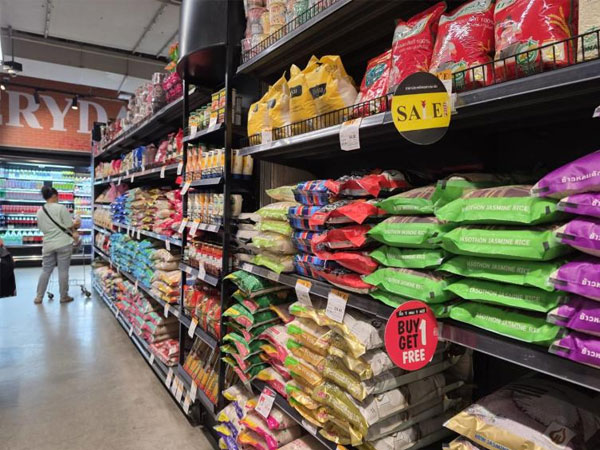
 Thai rice prices fall to $390 to $395 per tonne on muted demand, while Vietnam rates unchanged as domestic supplies run low
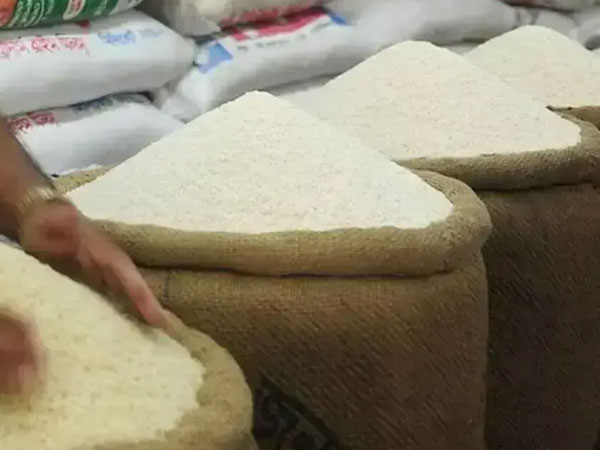
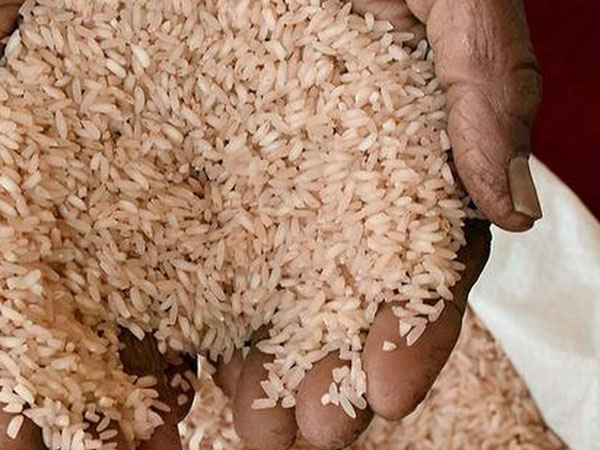
Indian rice export prices held steady as a weaker rupee offset higher local paddy prices, while Vietnam export prices remained unchanged and Thai rice prices eased on muted demand for the staple grain.
India's 5% broken parboiled variety <RI-INBKN5-P1> was quoted this week at US$344 to $350 per metric tonne, unchanged from last week. Indian 5% broken white rice was priced at $338 to $344 per tonne this week.
A weaker rupee is helping keep Indian rice competitive against supplies from Thailand and Vietnam, said a Kolkata-based trader.
The Indian rupee fell to its lowest in more than three weeks against the US dollar on Thursday.
Vietnam's 5% broken rice <RI-VNBKN5-P1> was offered at $375 to $380 per metric tonne on Thursday, unchanged from a week ago, according to traders.
"Not much rice is being offered for sale as domestic supplies are running low," a Ho Chi Minh City-based trader said.
Vietnam exported 530,991 tonnes of rice in the first half of this month, raising its total rice shipments in the Jan 1 to April 15 period to 2.81 million tonnes, according to the government's customs data.
Preliminary shipping data showed around 363,000 tonnes of rice were loaded at ports in southern Vietnam from April 1 to April 19, with most of the rice heading to the Philippines, Africa, Malaysia and Iraq.
Thailand's 5% broken rice <RI-THBKN5-P1> was quoted at $390 to $395 per tonne, falling from a range of $410 to 415 last week.
Traders attributed the price drop to relatively muted international demand with only some small orders coming from China and the Philippines.
Supply is still coming out into the market, but one trader said that the amount will likely tighten up in the medium term due to the rising cost of farming. "Farmers are growing less rice because of higher cost," the trader said.
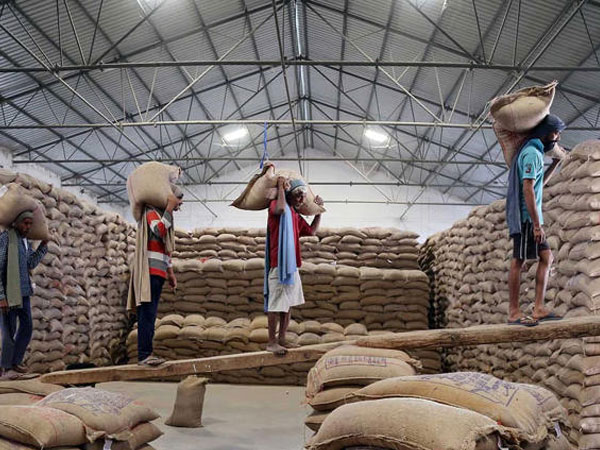
Meanwhile, Bangladesh will begin procuring 1.8 million tonnes of paddy and rice from local farmers from May in a move aimed at stabilising the price of the staple grain.
The decision comes as rice prices remain elevated despite good harvests and adequate reserves, prompting authorities to step in to help steady the market and support both consumers and farmers.







© Copyright 2025 The SSResource Media.
All rights reserved.