

 Indian basmati paddy output is seen 5–10% higher for 2026, boosting export availability while Indian and Vietnamese FOB rice prices turn firmer on steady demand.
Higher Indian basmati paddy production in 2026, projected up 5–10% year-on-year, points to improved export availability, but firmer FOB prices and cautious global demand mean margins, not volumes, are likely to be the key battleground. Buyers should expect plentiful basmati supply but limited downside in premium long-grain prices. The upcoming harvest in India’s core basmati belt has benefited from favourable monsoon rainfall and strong soil moisture, supporting a larger paddy crop and easing earlier concerns about tightness. This strengthens India’s role as the anchor supplier of aromatic long-grain rice to traditional Middle Eastern markets and growing European and American demand centers. However, with Asian FOB benchmarks stabilising at relatively high levels and trade flows still shaped by policy and logistics risks, the pricing power between exporters and buyers remains finely balanced.
Prices
Recent FOB indications from New Delhi show a broadly firmer tone across key Indian rice categories. Premium basmati and non-basmati offers are either stable at elevated levels or edging higher, signalling that the market is already pricing-in expectations of improved basmati availability alongside resilient international demand.
On 24 October 2026, indicative Indian FOB prices in New Delhi were:
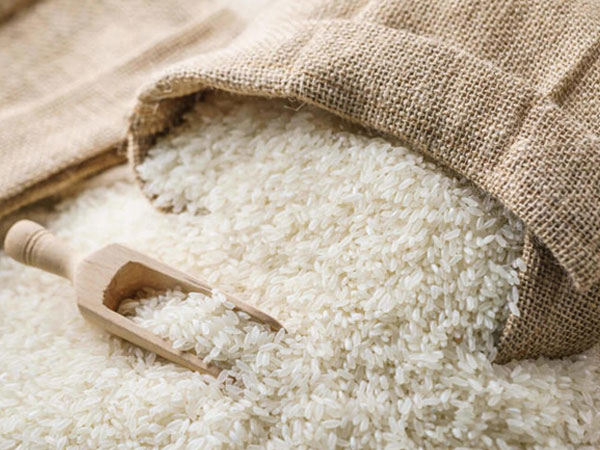
Vietnamese FOB offers out of Hanoi remain historically firm, though more stable in recent weeks. Long white 5% rice is quoted at 0.35 EUR FOB, while fragrant and specialty types such as Jasmine (0.37 EUR) and Homali (0.51 EUR) continue to command a quality premium. The overall pattern is one of modest week-on-week increases after earlier corrections in 2026, aligning with global benchmarks where Vietnam 5% broken is trading above 400 USD/tonne and edging higher on weather and supply concerns.
Supply & Demand
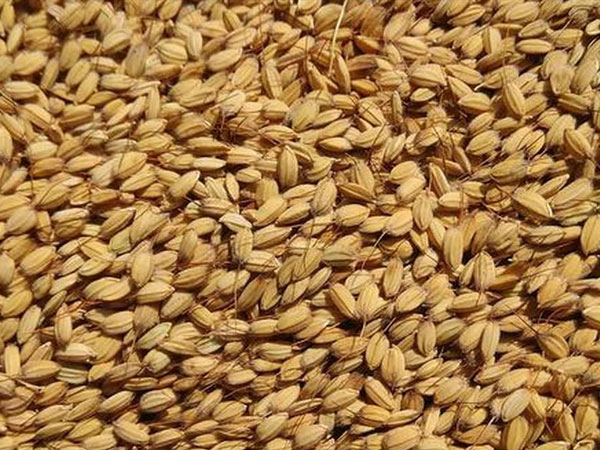
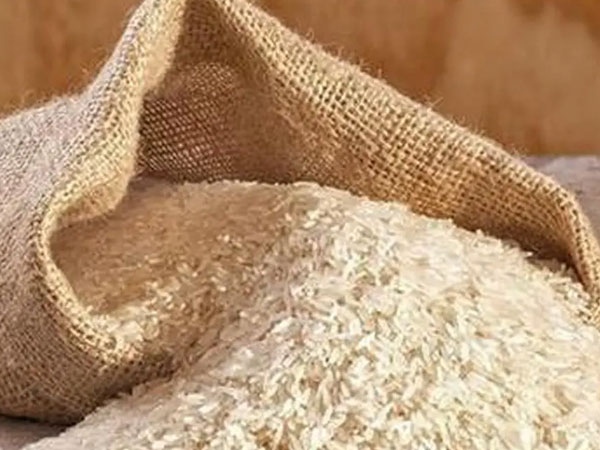
India’s basmati paddy production in 2026 is forecast to rise by roughly 5–10% compared with last year, driven by favourable monsoon rainfall and improved soil moisture conditions in the major basmati-producing states. This should translate into higher volumes of exportable basmati rice once the new crop is milled and marketed, reinforcing India’s position as a leading global supplier of long-grain aromatic rice.
Stronger basmati output coincides with steady to growing demand from Europe and the Americas, in addition to traditional Middle Eastern and Asian buyers. Recent trade commentary highlights continued interest from Iran and Gulf markets despite broader geopolitical and sanctions-related frictions, while tariff reductions and trade agreements are supporting incremental basmati flows into North America.
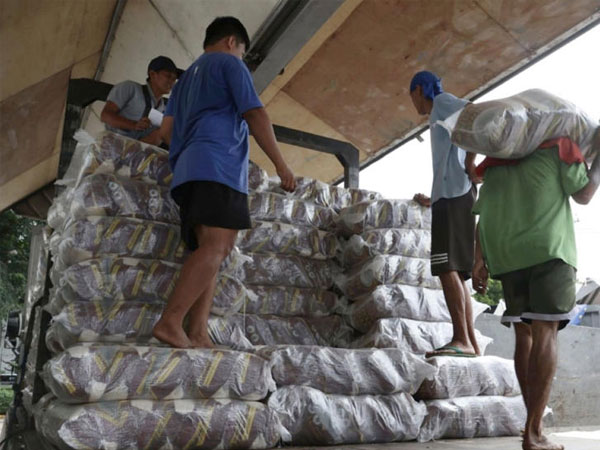
Outside India, Vietnam’s exportable surplus has tightened somewhat in 2026. January–September volumes are reported lower year-on-year, and average export prices are still about 5–6% below last year despite a recent rebound, suggesting that exporters are prioritising margins over aggressive volume growth. At the same time, global rice demand remains underpinned by strong import needs in the Philippines, parts of Africa, and the Near East, keeping competition high among origins.








© Copyright 2025 The SSResource Media.
All rights reserved.