

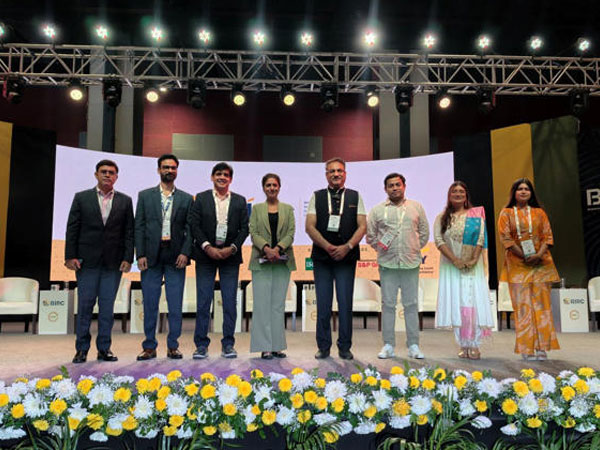
 India could export 20–25 million metric tonnes of rice annually, supported by strong domestic supplies and buffer stocks, Dr. Prem Garg said during the second knowledge session at the Bharat International Rice Conference (BIRC) 2026 in New Delhi. Titled “Top 10 Rice Markets to Watch in 2027: Demand Signals and Entry Strategies,” the session explored emerging opportunities in international rice markets, changing import policies, pricing competitiveness and strategies to strengthen India's export presence. It was moderated by Manisha Gupta, Commodities Editor at CNBC-TV18. India’s Rice Export Potential and Global Market Opportunities Dr. Prem Garg highlighted India's strong domestic rice supply and buffer stocks as important factors supporting the country's ability to maintain its position in global markets. He projected annual rice exports of 20–25 million metric tonnes, underlining India's potential to serve growing international demand. He also pointed to opportunities in African markets, noting that Nigeria imports rice in large volumes and Madagascar imported rice this year. These markets reflect the importance of identifying evolving demand patterns and expanding India's reach across international destinations. The discussion also addressed challenges facing the global rice industry, including supply disruptions, rising prices and the potential impact of El Niño on production. Competition from Vietnam was highlighted as an important consideration for India's export strategy. Global Demand and Market Access The session examined market opportunities across Africa, Europe, the Gulf, Asia, and North and South America, highlighting the need for exporters to understand regional demand patterns and country-specific import requirements. West African markets received particular attention, with discussions focusing on changing import policies in Nigeria, Benin and Burkina Faso. The evolving regulatory environment in these countries reinforces the importance of understanding market-entry requirements, trade policies and buyer preferences before pursuing new export opportunities. For Indian exporters, a market-specific approach could help identify promising destinations, improve competitiveness and build stronger relationships with international buyers. Strengthening India’s Competitiveness in Global Rice Trade Nitin Gupta highlighted India's position as a highly competitive supplier in the international rice market. Audience questions focused on how India could strengthen its presence in the non-basmati segment amid competition from other major exporting countries. The discussion also highlighted India's diverse range of regional rice varieties, including Govindobhog and Sona Masoori, which offer opportunities to serve different consumer preferences and market segments. Expanding the reach of these varieties, alongside India's established rice export categories, could help broaden the country's international market presence. Value Addition Key to Long-Term Export Growth Manisha Gupta emphasised the importance of value addition in strengthening India's position in global rice trade. The discussion highlighted the need for the industry to look beyond competitive pricing and explore ways to enhance product value and respond to evolving consumer and buyer requirements. The session underscored that sustaining export growth will require a combination of competitive pricing, effective market-entry strategies, a clear understanding of import regulations and greater emphasis on value addition. As global rice markets evolve amid changing demand patterns, weather uncertainties and international competition, BIRC 2026 provided a platform for industry stakeholders to assess emerging opportunities and identify strategies to strengthen India's role in the global rice trade.
Extended News
BIRC 2026 highlights India's potential to export 20-25 million tonnes of rice annually, explores global market opportunities
27 October 2026


See more news




Top News
27 October 2026
Featured News
27 October 2026

© Copyright 2025 The SSResource Media.
All rights reserved.