

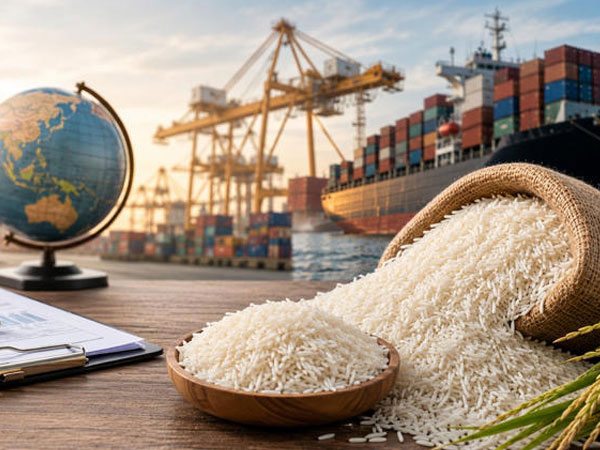
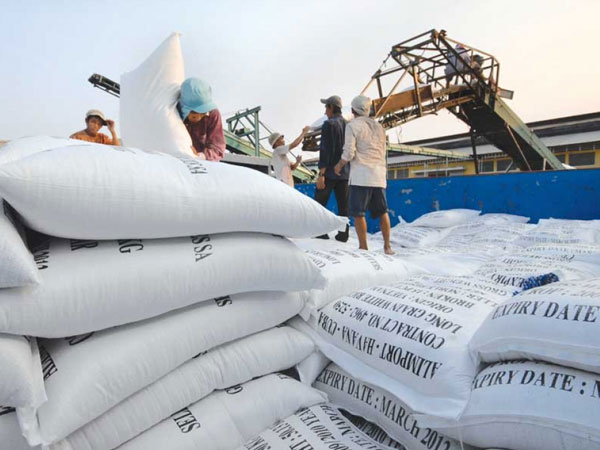
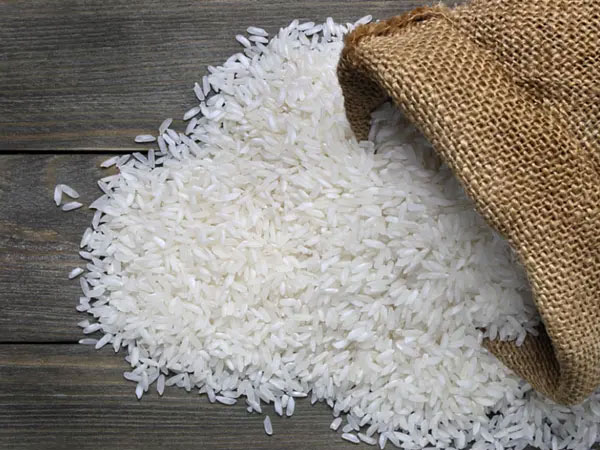
 Nearly 64 percent of Indians depend on agriculture, which relies heavily on the monsoon season. India has prepared a contingency plan as a weak monsoon threatens summer crops - particularly rice. Lower rice output could prompt New Delhi to restrict exports, a move that may drive up global rice prices. Here's more in this report.
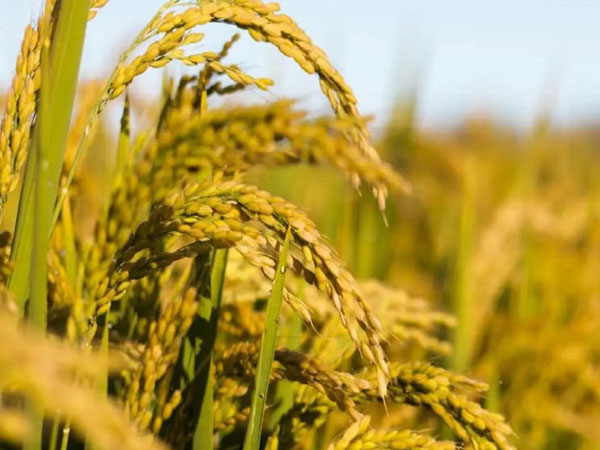
As the monsoon advances across much of India, rice sowing is entering a critical phase. Millions of Indian farmers rely on rain-fed agricultural systems for their livelihoods. Farmer Gurdayal Singh has taken 12 acres of land hoping for a good crop. He is a worried man today as the MET department has forecast below average rainfall this season.
GURDAYAL SINGH, Farmer "We fear that if we do not get enough rain, the yield will be low - around 10 to 15 quintals per hectare, maybe 20 in some spots. But even that would be a huge loss for farmers like us."
Like Singh, nearly half of India's population depends on farming for their livelihood. To reduce the risks posed by a weak monsoon, the government has prepared contingency plans for more than 300 vulnerable districts.
RAVINDER BAWA, Delhi "Farmers could face mounting input costs if rainfall remains below normal. They may have to rely more heavily on diesel-powered pumps to irrigate their fields, while diesel prices have already risen due to higher global crude oil costs linked to the Middle East crisis. Another major concern is the availability and cost of fertilizers, which have been affected by disruptions in global supply chains."
While the government maintains that fertilizer stocks are adequate, farmers say it is being rationed.
GURNAM SINGH SANDHU, Farmer "We get a fixed quantity of fertiliser per acre. The first batch is given twenty days after sowing, then another for the saplings, and the last lot is sixty days before harvest. Right now, there is a shortage."
According to the Ministry of Agriculture, sowing of summer crops has declined by almost 23 per cent compared to last year due to a slow start to the monsoon in June.
BALWINDER SINGH TIWANA, Agricultural Economist "Even if there is decline of 30%, then the supplies can be managed. Now the issue is that when your exports are banned, no exports are less exports and you are managing these supplies, there will be increase in the prices."
DEV GARG, VP, Indian Rice Exporters Federation "So from a trade point of view, I do not have any, any, any anything in front of me which could justify an increase in prices, even if that increases there on account of international factors will only be a marginal increase, though the production levels in Pakistan and Thailand will have a major bearing on a domestic food prices also."
As the government takes steps to minimize the impact, the biggest concern, if the monsoon season does not pick up in the coming months, will be domestic food inflation. Ravinder Bawa, CGTN, Haryana.



© Copyright 2025 The SSResource Media.
All rights reserved.