

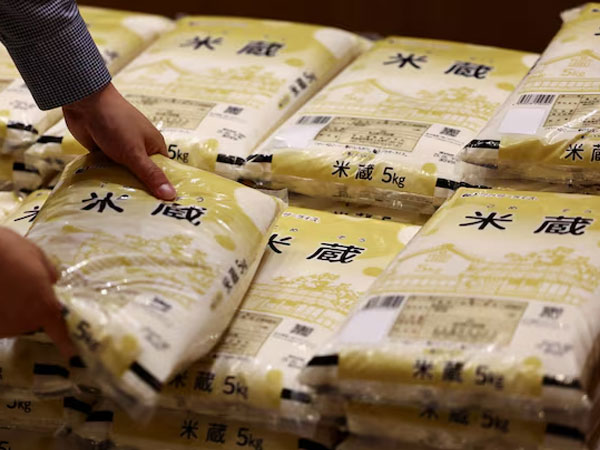
 Japan's Prime Minister Sanae Takaichi has spent her early tenure in a flurry of activity after campaigning on vows to tame surging inflation. But her decision to back a policy slashing cultivation of rice, which has more than doubled in price since 2024, highlights a dysfunctional economic and political machine. It’s storing up serious trouble for the ruling Liberal Democratic Party (LDP) and its energetic leader ahead of next month’s snap election.
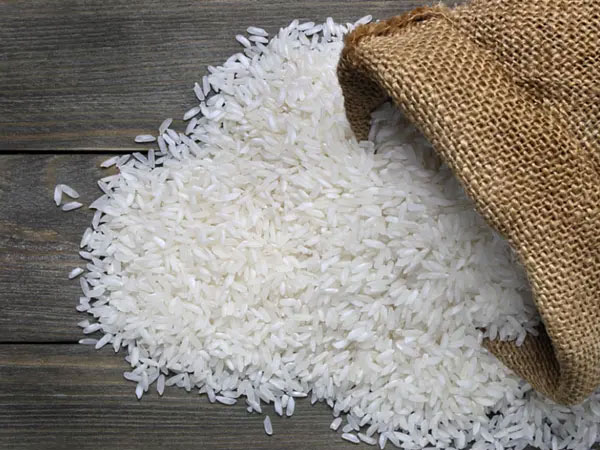
The grain's importance transcends its role as a mere crop in Japan, where the word for cooked rice, gohan, doubles as the default term for meal. Surging prices delivered an electoral drubbing in July that toppled the last prime minister from the ruling LDP, which has run the country more often than not since the 1950s.
In the 12 months to May 2025, when the government started selling stockpiled emergency rice directly to retailers to tame prices, the price of a five-kilogram bag had already doubled to more than 4,000 yen ($25.30). That was thanks to supply shortages caused by a combination of low production targets and hotter summers, which scorched paddies and expanded the natural range of rice-eating stink bugs., opens new tab The resulting voter anger helped end the premiership of Shigeru Ishiba and cleared a path for Takaichi to become the new LDP leader and Japan’s first female prime minister in October.
Given what happened to Ishiba, it might seem odd that the ostensibly anti-inflation Takaichi has quickly doubled down on a policy that encourages paddy owners to grow less of the crop. Specifically, she reversed course on the price-taming drive launched by Ishiba, who had raised the government production target used by farmers to plan their harvests. Takaichi's new agriculture minister, Norikazu Suzuki, even set Japan’s rice production target, opens new tab for this year below that of 2025, an inflationary move.
The new prime minister's counterintuitive position reflects a three-way alignment in support of high prices, composed of Japan's small-time farmers, their powerful agricultural cooperative association, and the LDP itself. For decades the arrangement worked well for the trio: farmers got favourable policies and therefore more profits, which benefitted the cooperative association, while the LDP could count on a well-organised voting bloc. The problem now is that this base is ageing and shrinking, with rice farmers nationwide totaling only about half a million, opens new tab. Meanwhile, prices have risen to a level that the wider populace cannot bear. It means that the political economy of rice in Japan is flipping, even if Takaichi's policies suggest otherwise.
The roots of this "gentan" acreage reduction system, which Takaichi is effectively recommitting to, lie in the 1947 agricultural reforms of the postwar occupation government run by U.S. General Douglas MacArthur. Wary of communist influence, he backed a scheme to transfer plots from Japanese landlords to the country’s tenant farmers. This canny move turned impoverished farmers from potential left-wing agitators into staunch conservative landowners, whose agricultural cooperatives agglomerated into a powerful political machine that persists to this day.
Japanese rice production has dropped steadily since the 1960s
Starting in the 1970s, under policies introduced by the LDP, the government began paying these farmers to grow other crops instead of "table rice" for retail, reducing supply and pushing up prices. These mostly part-time growers deposit their takings with a bank belonging, opens new tab to the co-op association's umbrella group. The bank distributes its investment returns to farmers, who vote in national and local elections for candidates anointed by the co-op association, typically from the LDP. The association's political weight is maintained thanks in part to its members being clustered in so-called single-seat constituencies, where strong turnout from farmers can tip elections, opens new tab for Japan's national Diet, or parliament.
Hence lawmakers’ sensitivity to demands from JA Group, the countrywide umbrella organisation whose business arm sells farm goods to local members and acts as wholesaler for their crops. Its insurer, JA Kyosai, also provides crop and life policies to farmers, who hold, opens new tab deposits of about 57 trillion yen ($361 billion) with JA Group’s Nochu Bank, one of the country’s largest institutional investors which manages a portfolio of 44 trillion yen.
That financial firepower reflects a quiet sea change since the postwar years: today most co-op members hold down well-paying jobs in other sectors, only growing crops part time, opens new tab on small individual plots. But that extra effort only makes economic sense for weekend farmers if rice prices are high enough to carry a sizeable margin, which explains the survival of gentan to this day.
It's an economically disastrous system. By incentivizing part-time farmers to hold on to their paddies, gentan payments prevent small plots from being bought and consolidated under farming outfits that could turn a profit without artificially inflated margins. Such consolidation would allow surplus rice to either be exported or, in emergencies, diverted back to the domestic market.
Instead, the gentan system keeps the LDP in hock to the national co-op. It also undermines Japan's food security by incentivising lower production, while delivering outsized benefits to a group amounting to less than 1% of the population. Finally, it foists a double burden on Japanese families—first at the register, then through the additional taxes required to fund gentan payments.
Rising cost of rice leaves Japan's headline inflation in the dust
There's also a growing political cost. Ageing farmers represent a shrinking base. Many are retiring without anyone to replace them, further curtailing production and boosting prices. Kazuhito Yamashita, research director at the Canon Institute for Global Studies and longtime critic of gentan, says even LDP rivals are wary of opposing JA for fear of looking cruel. Voters’ perceptions of rice farming are still based on the hardscrabble conditions that prevailed until the 1960s. He adds that the only major party opposing the current system, Osaka’s Japan Innovation Party, has gone completely silent on the issue since joining a new ruling coalition with the LDP in October: “My lone hope has vanished. It’s terrible, but that’s the political reality.”
Takaichi seems to be aware of the looming electoral danger posed by sticking to policies that boost prices. She included rice vouchers of 3,000 yen per person in a stimulus package passed in December. But this won’t even pay for one bag: average prices have risen since her election, hitting a fresh record high, opens new tab of 4,416 yen this month. And since these physical vouchers must be spent on rice, they are more likely to keep costs elevated than provide any relief. Worse, printing them requires local governments to spend taxpayers’ money, which has prompted mayors in some large Japanese cities to refuse to implement, opens new tab the programme.
In short, Takaichi and the LDP are still treating the problem like it will go away on its own. But as climate change continues cranking up the summer heat in Japan, it’s only a matter of time before another bad rice harvest hits the crop, causing another round of inflationary pain for households and a political blowup for Japan's new prime minister.




© Copyright 2025 The SSResource Media.
All rights reserved.