

 Assistance includes financial resources and food amid an energy crisis worsened by the U.S. invasion of Venezuela
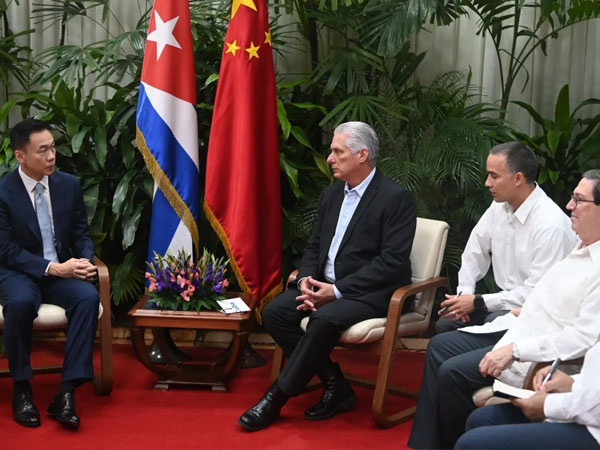
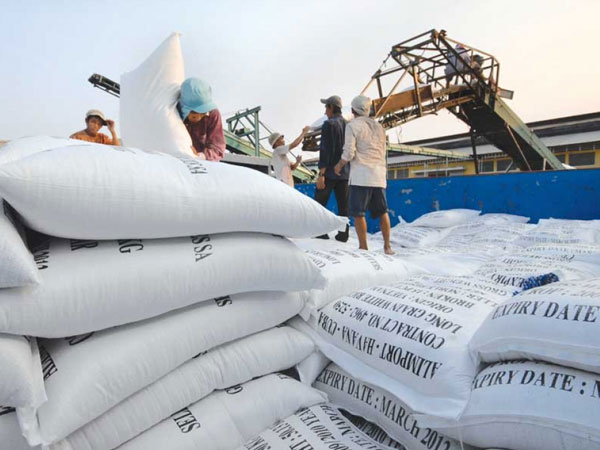
Amid growing hostility from Washington toward Cuba, President Xi Jinping of China has authorized the delivery of emergency aid to the Caribbean island, including US$80 million in financial assistance and a donation of 60,000 tons of rice.
The decision was conveyed to Cuban President Miguel Díaz-Canel by China’s ambassador in Havana, Hua Xin, during a meeting at the Palace of the Revolution.
According to the Cuban government, the financial assistance will be used to purchase electrical equipment and address other urgent needs, at a time when the country’s economic and energy crisis has intensified.
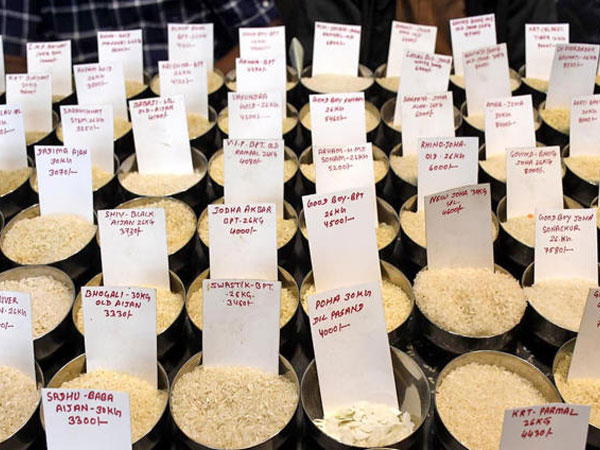
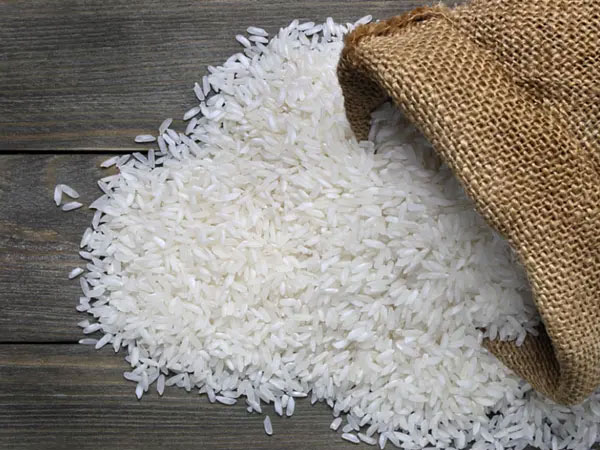
Of the total food donation, the first shipment – 4,800 tons of rice – has already arrived on the island, with the remaining deliveries expected in the coming months. Rice, a staple of the Cuban diet, has become increasingly scarce due to the crisis in imports.
In parallel, the financial aid aims to ease Cuba’s severe energy crisis. The country has experienced prolonged blackouts that in recent days have affected more than 60% of national territory. The energy shortfall, which has worsened recently, stems from fuel shortages for distributed generation, caused by the interruption of supplies from Venezuela.
The aid comes amid heightened geopolitical tensions, particularly the growing threats and sanctions imposed by the United States, which have restricted, among other factors, the flow of Venezuelan oil to Cuba, further aggravating the island’s energy crisis.
In this context, China has consolidated its role as a strategic ally of Cuba, especially in the energy sector. Since 2024, the two governments have formalized the construction of several photovoltaic parks on the island with Chinese support. These projects are part of Cuba’s energy transition strategy, which officially aims for renewable sources to account for about 25% of electricity generation by 2030 and, in the long term, to achieve a fully renewable energy matrix by 2050.
Currently, most of Cuba’s electricity is still generated from fossil fuels, while renewable sources make up a smaller, though growing, share of the energy mix. Chinese investment in renewables seeks to reduce dependence on imported fuels and strengthen the stability of the country’s electricity supply.



© Copyright 2025 The SSResource Media.
All rights reserved.