

 The Indian Rice Exporter's Federation has called for major tax, credit and freight support in Budget 2026 to strengthen the sector's competitiveness and sustainability. It has also pressed for a waiver of retrospective duty demands and improvements in quality compliance systems.
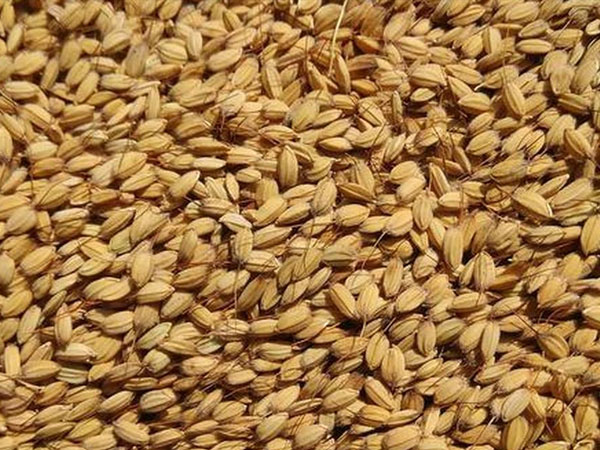
New Delhi: The Indian Rice Exporter's Federation (IREF) has urged the central government to introduce a package of tax incentives, interest support and freight assistance in the upcoming Union Budget 2026. The federation believes these measures will help the rice sector maintain its global edge while also addressing long-term sustainability concerns. In its formal representation to Finance Minister Nirmala Sitharaman, the trade body requested a 4 per cent interest subvention on export credit, 3 per cent reimbursement on road and rail freight, along with faster processing of duty remission schemes such as RoDTEP.
"These measures will directly lower exporters' costs, incentivise sustainability and encourage scaling of value-added shipments," IREF President Prem Garg told news agency PTI. India currently commands around 40 per cent of the global rice trade and exported nearly 20.1 million tonnes to more than 170 countries during the 2024-25 fiscal year. Garg described rice exports as a strategic economic pillar that supports rural livelihoods, strengthens the external sector and enhances India's global influence.
Sustainability and production shift on agenda
IREF also pushed for targeted incentives that promote water-saving and low-emission practices such as Alternate Wetting and Drying, Direct Seeded Rice cultivation, laser levelling and modern energy-efficient milling. The federation argued that these steps are necessary to counter groundwater depletion, rising procurement expenses and market volatility in key paddy-producing regions. The body additionally sought policy encouragement for farmers to move towards premium and higher-value rice varieties like basmati, GI-certified and organic non-basmati, which can boost farmer income and reduce pressure on MSP-led procurement.
Cost relief for exporters
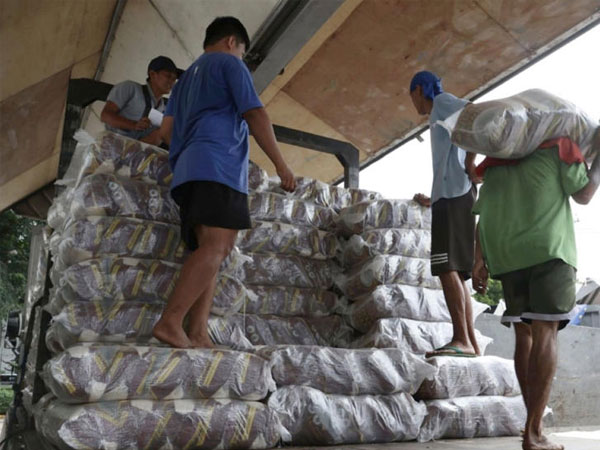
To ease liquidity concerns, the federation advocated priority access to subsidised export credit for MSME exporters. It also asked for a 3 per cent reimbursement on domestic freight for export-bound rice shipments, highlighting that it would reduce logistics costs and provide stability amid fluctuating transport rates. IREF emphasised the need for continuity and recalibration of RoDTEP benefits to safeguard export competitiveness by offsetting hidden domestic taxes.
Request for retrospective duty waiver
One of the most urgent appeals from the federation is a one-time waiver of retrospective duty demands that emerged after the 20 per cent export duty was imposed on specific rice varieties. IREF pointed out that varying interpretations of the duty calculation across field officers have triggered disputes and unexpected dues for exporters. The federation stated, "This has resulted in large, retrospective duty demands and prolonged disputes, despite exports being undertaken in good faith and without any undue gain". It added that a waiver will ease litigation pressures, stabilise the sector and improve confidence among exporters.
Strengthening quality and compliance
The federation has also recommended stronger export finance guarantees along with upgraded testing, quality assurance and traceability systems. These improvements, it said, are needed to protect India's reputation in high-value global markets.






© Copyright 2025 The SSResource Media.
All rights reserved.