

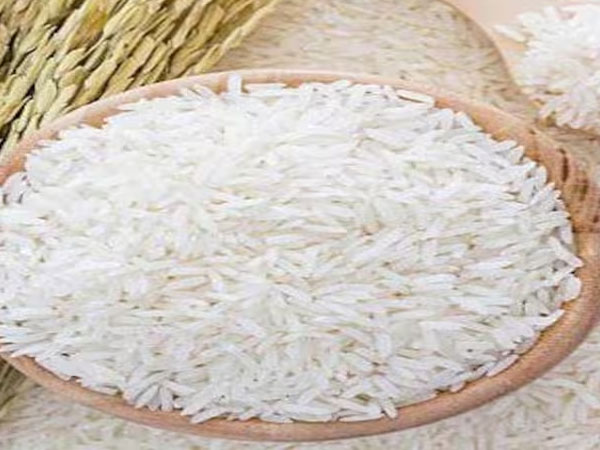
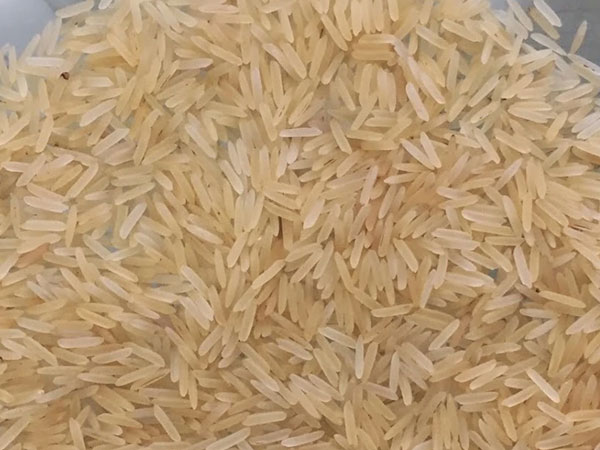
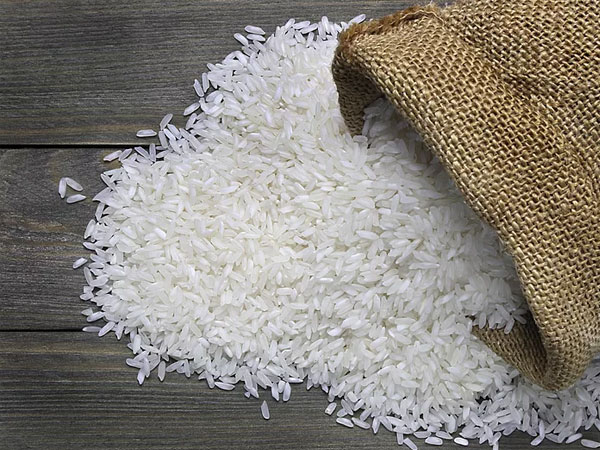
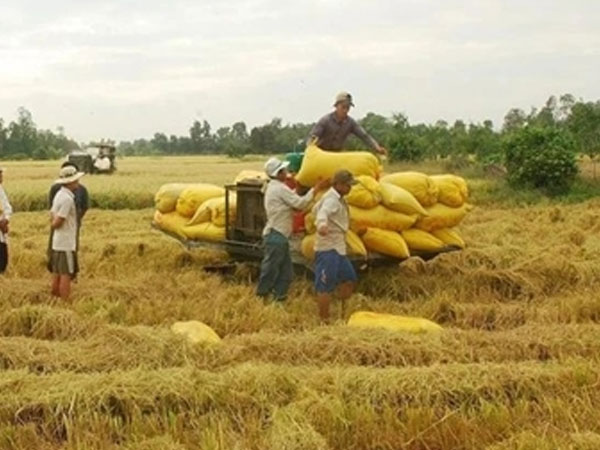
 Rice shipments alone accounted for $757.3 million, or over 61 percent of India’s total exports to Iran, making it the most exposed category by value.
Total trade between India and Iran stood at $1.7 billion in FY25, accounting for just 0.15 percent of the South Asian nation's total trade during the year.
United States' President Donald Trump has announced a 25 percent tariff on countries trading with Iran, raising concerns over India’s $1.24 billion worth of exports to Tehran.
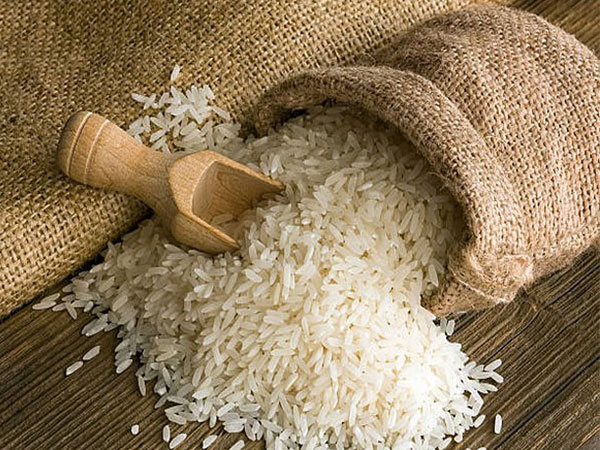
Rice shipments alone accounted for $757.3 million, or over 61 percent of India’s exports to Iran, making it the most exposed category by value.
Exporters, however, are unlikely to see immediate disruption, as trade with Iran is largely restricted to humanitarian goods.
“Indian companies and banks are already fully compliant with OFAC sanctions on Iran, limiting engagement strictly to permissible humanitarian trade, primarily food and pharmaceuticals. In this context, we do not foresee any adverse impact on India,” Ajay Sahai, Director General and CEO of the Federation of Indian Export Organisations (FIEO), told Moneycontrol.
The Office of Foreign Assets Control (OFAC) is part of the US Treasury and enforces economic and trade sanctions to advance American foreign policy and national security.
OFAC sanctions cover nations like Iran, as well as targeted individuals and entities involved in terrorism, crime, or weapons proliferation. Because many international transactions use US dollars, these rules often affect foreign companies and exporters.
But food items fall under humanitarian supplies, insulating them from the impact of sanctions or penal tariffs. Sahai said that rice exports, in particular, would not be affected, though currency volatility could emerge as a separate challenge for shipments to Iran.
He added, however, that a formal clarification would nonetheless help dispel residual uncertainty and reinforce confidence among stakeholders.
Trump’s action on Iran is seen as a measure aimed at economically isolating Tehran amid violent anti-government protests and rising tensions over its domestic crackdown.
The announcement, made via social media, did not include formal documentation or detailed legal justification but was framed as part of the United States’ broader effort to increase pressure on the Iranian regime.
PHD Chamber of Commerce and Industry President Rajeev Juneja said that the 25 percent additional tariff imposed by the US on countries that do business with Iran does not automatically mean it will be added to existing tariffs to make a 75 percent rate for Indian exports, as US officials have not yet published a detailed tariff schedule or customs guidance specifying which products or transactions are covered
Further, there is no official published definition yet of what constitutes “doing business” with Iran, Juneja added.
Most Indian exports already face 50 percent tariffs from the US, including a 25 percent penal duty linked to the purchase of Russian crude.
Ranjeet Mehta, CEO & Secretary General, PHDCCI added that if the tariffs are applied on an additive basis that is an incremental 25 percent on top of the existing 50 percent, then given the composition of India’s export basket to the United States, the sectors most exposed would include textiles and apparel, gems and jewellery, leather and footwear, automobile components, a range of chemical products, and marine exports.
Trade ties
Total trade between India and Iran stood at $1.7 billion in FY25, accounting for just 0.15 percent of the South Asian nation's total trade during the year.
Besides rice, India exported oil meals worth $70.8 million, fruits and vegetables valued at $58.3 million, and goods classified under the ‘other’ category totalling $56.9 million in FY25.
Exports of inorganic and organic chemicals stood at $56.5 million, followed by engineering goods valued at $43.3 million, drugs and pharmaceuticals worth $40.7 million, tea worth $37.9 million, and spices valued at $29.1 million.
Imports from Iran were relatively smaller at $441.8 million in FY25, a decline of over 29 percent year-on-year, resulting in a trade surplus of $799.3 million in India’s favour.
India’s inbound shipments from Iran are largely driven by organic chemicals, followed by edible fruits and nuts such as dates, apples and pistachios.







© Copyright 2025 The SSResource Media.
All rights reserved.