

- Senegal has suspended rice import permits for one month to help clear domestic inventories.
- The government is also linking future import approvals to purchases of locally produced rice.
- The measures underscore the challenge of reducing the country's reliance on imported rice.
 Senegal has suspended the issuance of food import declarations (DIPA) for rice for one month starting July 8, according to the outcome of a meeting between the Ministry of Industry and Trade and key stakeholders in the rice sector.
According to local media reports, the measure is intended to temporarily ease pressure from imports on the domestic market and create more sales opportunities for local rice producers and processors. It follows a similar decision taken by the government in November 2025 for the same purpose.
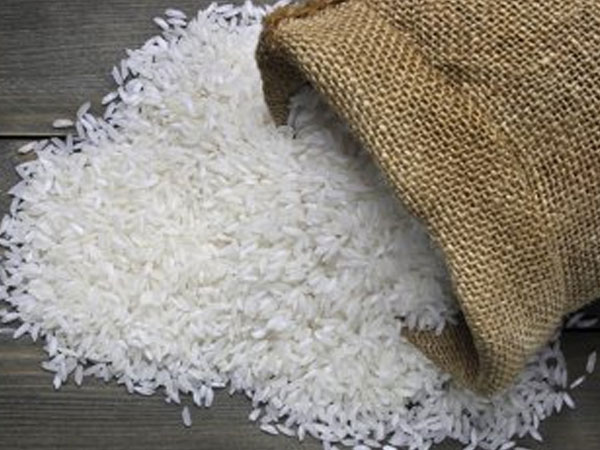
The renewed suspension, introduced nine months later, highlights the sector's continuing marketing challenges. According to estimates from the Senegal River Delta and Falémé Valley Development Authority (SAED), rice mills are currently holding about 37,000 tons of milled rice in inventory. The import restriction is part of a broader package of measures aimed at helping clear those stocks.
A mix of market regulation and financial support
Beyond the temporary import suspension, the government plans to introduce a new market regulation mechanism. Importers will now have to prove they have purchased specified quantities of locally produced rice before they can receive new import authorizations.
The policy is designed to integrate domestic rice more fully into existing distribution channels by requiring major traders, who control a large share of the market, to source local production. The government hopes this will narrow the competitiveness gap between Senegalese rice and imported rice, which consumers often prefer because of its lower prices and wider availability.
As part of the plan, the purchase price for locally produced rice has been set at CFA280 per kilogram. Rice mills will also receive government support of CFA50 per kilogram to offset part of their processing costs and improve their ability to compete with imported rice.
Imports remain essential
For the government, the objective goes beyond reducing current inventories. It is seeking to build a commercial model that can secure a lasting place for Senegalese rice in the domestic market, where imported rice continues to account for most of the country's supply.
According to projections from the U.S. Department of Agriculture (USDA), Senegal's milled rice production is expected to reach 670,000 tons during the 2026/2027 marketing year, while consumption is forecast at nearly 2.35 million tons. Given that gap, the USDA expects rice imports to rise 7.69% to 1.4 million tons to meet domestic demand.








© Copyright 2025 The SSResource Media.
All rights reserved.