

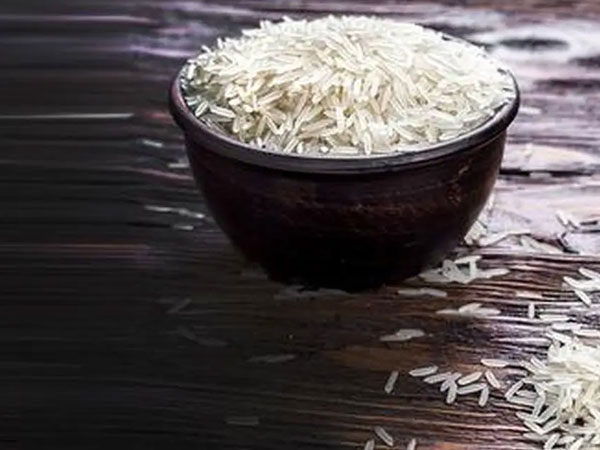
 India’s next agricultural transformation must be measured not only by how much it produces, but by how sustainably it grows
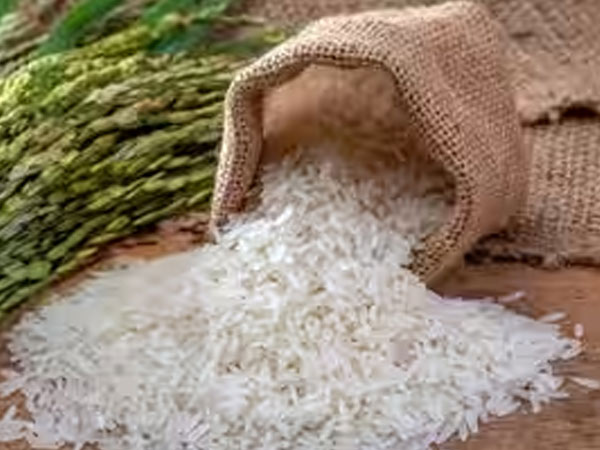
The Green Revolution transformed India’s food security by making rice and wheat cultivation central to price stability and rural livelihoods. Backed by sustained policy support, India is now the world’s largest rice producer, contributing nearly 28 per cent of global rice production, and is also a leading exporter of rice at 38 per cent of the global share. Yet this success carries a growing ecological cost.
Despite record rice production of over 150 million tonnes, paddy cultivation remains among the most water-intensive farming practices, consuming 1,500–2,500 litres of water per kg of rice. The burden is most visible in the north-western Indo-Gangetic Plains, where groundwater is rapidly depleting. In Punjab, water tables are falling by an average of 43 cm annually, with some districts recording declines of up to 59 cm. If this trajectory continues, experts warn parts of the state could face desertification within 25 years.
At the same time, methane (CH4) emissions, with a global warming potential nearly 27 times that of carbon dioxide (CO2), are rising sharply. Paddy cultivation emitted 3.2 million tonnes of methane in 2020, accounting for 23 per cent of India’s agricultural methane emissions. North-western India is also a hotspot for excessive nitrogen fertiliser use, worsening soil degradation and pollution.



© Copyright 2025 The SSResource Media.
All rights reserved.