

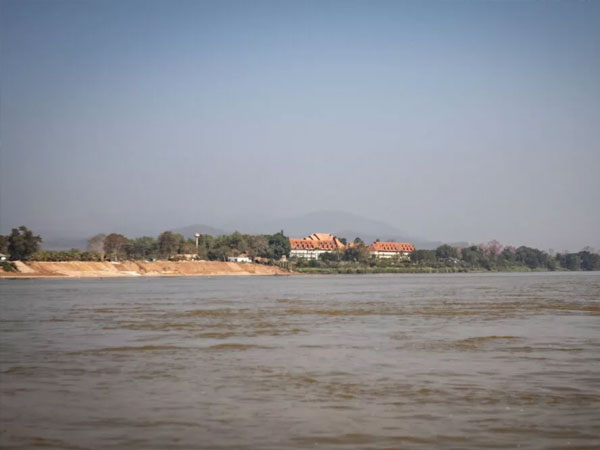
 The Mekong Delta, Vietnam’s ‘rice bowl’, is sliding into a slow-burning crisis. Salinity intrusion, once a rare shock, is now an annual hazard threatening the livelihoods of nearly 20 million people and the food supply of a nation. With each dry season pushing saltwater further inland, Vietnam must urgently identify and address the drivers of this problem to protect food security.
The Delta’s exposure to saltwater has intensified dramatically. During the 2020 crisis, saltwater travelled more than 100 kilometres upstream, leaving tens of thousands without freshwater and destroying crops across southwestern Vietnam. The salinity isoline is moving further inland each year, with disasters becoming more frequent and their impacts more severe.
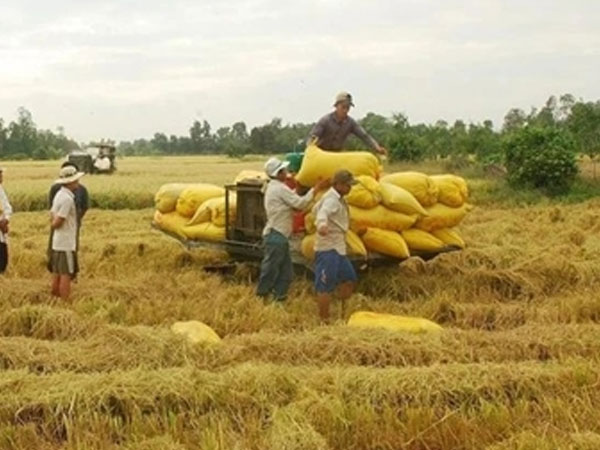
During major intrusion years such as 2016 and 2020, more than 160,000 hectares of rice paddies were damaged, causing estimated economic losses of over US$650 million in 2016. Projections suggest that without decisive intervention, salinity intrusion could affect up to 45 per cent of the Delta’s agricultural area by 2030, threatening its role as a national food hub.
The forces driving this crisis are multiple and mutually reinforcing. Sea-level rise due to climate change is lifting the baseline for saltwater intrusion, while delta subsidence — the sinking of land in a river delta — is lowering land elevations and amplifying tidal influence, largely due to intensive groundwater extraction. Upstream hydropower dams alter seasonal flows and trap sediment, weakening the Delta’s natural buffer.
Extensive sand mining is also deepening riverbeds and allowing saltwater to spread further upstream. The combined effect is a Delta increasingly tilted towards the sea, weakening Vietnam’s most important line of defence for food security. Though upstream dam releases have led to slightly higher dry season flows than in the past, these flows now carry little sediment, intensifying erosion of the riverbed and accelerating upstream salinity propagation.
A major barrier to effective policy in the Delta is a lack of clarity on which of these driving forces is most decisive. It is unclear to what extent riverbed incision from sand mining, widespread delta subsidence, altered upstream reservoir operations and rising sea levels are each contributing factors. Without clarity on their relative importance, targeted management is impossible. Policy responses also remain fragmented — one agency clamps down on illegal sand dredging, another drills deeper wells, while regional bodies call for better water diplomacy. But without ranking the drivers, such efforts risk misallocating scarce resources.
Technology and engineering solutions cannot succeed without a clear understanding of the underlying causes. Switching crops, installing pumps or building sluice gates — structures that manage the flow of water — may buy time, but they do not address the root causes. What is urgently needed is a coordinated scientific effort to quantify the contribution of each driver. Only then can interventions be properly prioritised — with focus allocated across curbing sand extraction, regulating groundwater, strengthening transboundary governance of the Mekong and accelerating climate adaptation planning, according to their relative importance.
The implications stretch beyond agriculture. Rising salinity in the Delta threatens Vietnam’s long-term economic stability, with the region contributing around 12 per cent of national GDP through agricultural exports in 2022. Continued salinity encroachment threatens to erode this economic base, accelerating rural–urban migration, increasing poverty and destabilising social systems. National food security — once taken for granted — could become a political flashpoint.
Regional cooperation is indispensable. The Mekong is a transboundary river, so unilateral management by Vietnam cannot succeed. Yet regional governance remains constrained by an important asymmetry — China, which operates the majority of upstream dams, is not a member of the Mekong River Commission, the intergovernmental organisation responsible for coordinating the use of the river basin’s water resources.
Though China shares some hydrological data, its upstream operations profoundly shape downstream hydrology and sediment distribution. The Mekong River Commission has struggled to balance the competing interests of upstream dam developers and downstream farmers, but the salinity crisis underscores the urgency of renewed cooperation between governments.
Recognising these power asymmetries is essential. Vietnam’s bargaining position is not strong as a downstream country, yet meaningful cooperation remains possible through greater data transparency, coordinated flow management and joint sediment monitoring. These are not aspirational goals — they are prerequisites for the survival of the Delta. Vietnamese provinces must also move beyond fragmented initiatives towards a cooperative response. Coordinated groundwater regulation, shared forecasting systems and joint agricultural diversification strategies are essential to reducing vulnerability and increasing the Delta’s long-term viability.
Time is not on the Delta’s side. Salinity intrusion is advancing inland every year, natural disasters are becoming more frequent and the damages are intensifying. What was once an episodic hazard is becoming a structural crisis. For Vietnam — and its partners across the Mekong River — the priority must be scientific clarity. Identifying and ranking the drivers of salinity intrusion is the foundation for effective policy, credible regional cooperation and long-term resilience. Without this clarity, the Mekong Delta risks an irreversible decline, with consequences far beyond Vietnam’s borders.







© Copyright 2025 The SSResource Media.
All rights reserved.