

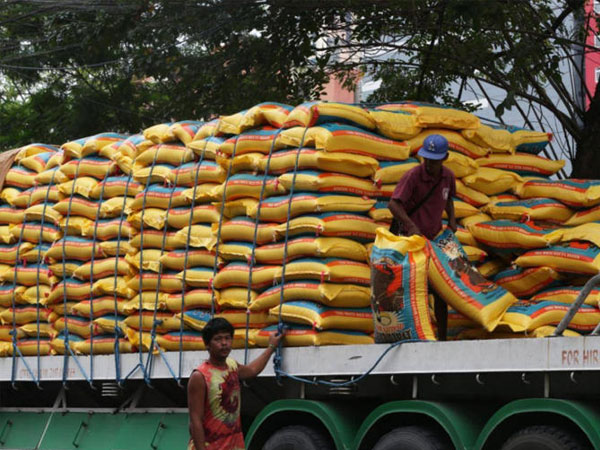
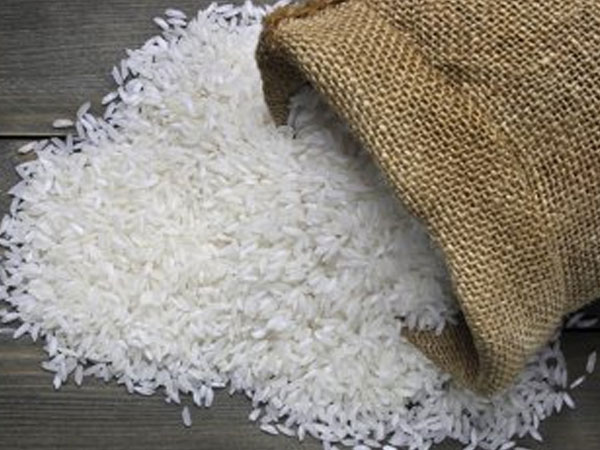
 RICE imports reached 2.22 million metric tons (MT) as of May, Agriculture spokesman Arnel de Mesa said, noting that this may be due to rice inflation, as well as the lower price of imported rice.
Shipments were highest last month, breaching half a million to 503,000 MT. It was 381,000 MT in January, 442,000 MT in February, 481,000 MT in March and 411,000 MT in April.
Year-to-date import volume was 15 percent higher than the 1.9 million MT in the same period last year.
The surge in rice imports may also be in preparation for the anticipated severe El Niño weather later this year, de Mesa said.
The Philippine Atmospheric, Geophysical and Astronomical Services Administration has raised an El Niño alert between June and August, with a 79-92 percent probability of forming in the midyear until early 2027.
The weather phenomenon brings severe droughts, soaring temperatures and below-average rainfall, causing agricultural losses, water shortages and increased health risks for the public.
This is why local rice production may decline by around 700,000 MT, de Mesa pointed out, saying that typhoons may also cause an additional 500,000 to 600,000 MT of losses to rice production.
But there’s enough rice supply from the harvest season, de Mesa added.
The Agriculture department previously said it was considering limiting the monthly rice import volumes from June to August to prevent a collapse in local palay (unmilled rice) farmgate prices.
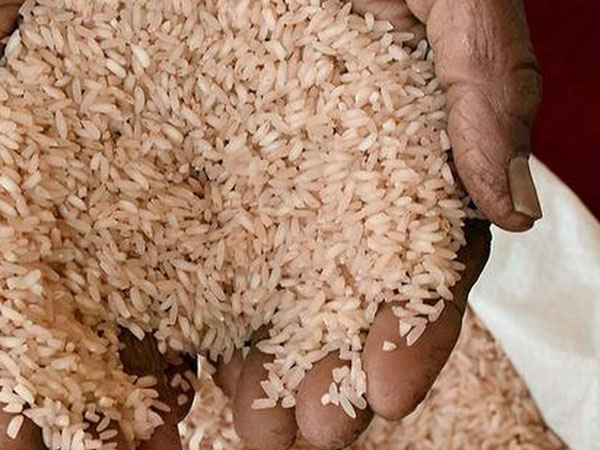
Agriculture Secretary Francisco Tiu Laurel Jr. had also said the agency was exploring blending local and imported rice to stabilize consumer prices while prioritizing domestic output.
He had also invited stakeholders to propose blending ratios favoring local output.









© Copyright 2025 The SSResource Media.
All rights reserved.