

 Rice and corn prices at North Korean markets have surged to historic highs in 2026, with the won’s sharpest depreciation against the dollar on record driving up the cost of imported goods across the board. Analysts say the resumption of passenger train and flight services between Beijing and Pyongyang is fueling a spike in demand for foreign currency, compounding a food security crisis that experts warn may arrive earlier than usual this spring.
Grain prices climb to post-reform highs
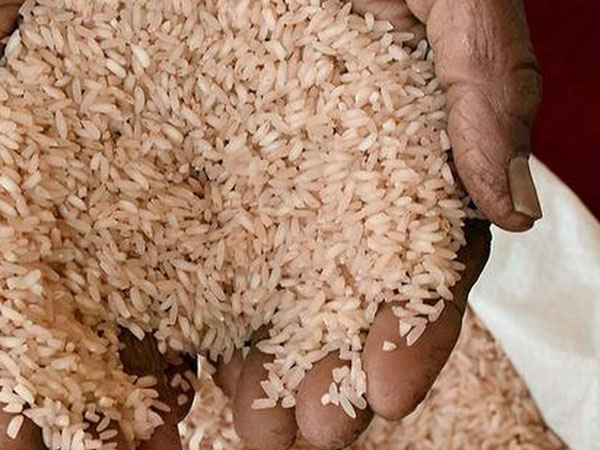
According to Daily NK’s regular survey of North Korean market prices, a kilogram of rice traded for 24,700 North Korean won at a Pyongyang market on March 15. That represented a 25.4% jump from the 19,700 won recorded in the March 1 survey. Markets in Sinuiju, North Pyongan province, and Hyesan, Ryanggang province, showed comparable increases.
The pace of the rise is striking when set against a longer baseline. As recently as Feb. 1, a kilogram of rice was selling for around 15,000 won at North Korean markets. In the six weeks since, prices climbed 64%.
The corn price has broken through a threshold not seen since North Korea’s 2009 currency reform. A kilogram of corn sold for 8,000 won at a Pyongyang market on March 15, the first time the post-reform price has exceeded that level. The figure is up 11.1% from the 7,200 won recorded on March 1, and more than double the 3,900 won posted on Feb. 1, when prices hit their lowest point this year.
Experts attribute the grain price surge to a combination of factors: rising exchange rates, the depletion of stored food supplies, and the seasonal lean period that typically precedes the spring harvest. The outlook is troubling for lower-income North Korean people, for whom corn is a dietary staple.
“Grain price spikes are causing the number of households without food to increase rapidly in rural areas,” said Cho Chung-hee, director of Good Farmers‘ research center. “The spring lean season in North Korea typically begins in earnest in April, but based on the pace at which foodless households are increasing this year, it appears the crisis is arriving earlier than in past years.”
Won-dollar rate hits all-time high
The North Korean won’s market exchange rate against the U.S. dollar has also reached a record level. On March 15, the won-dollar rate in Pyongyang stood at 51,300 won per dollar, a 24.2% rise in just two weeks. Compared with the 35,700 won per dollar recorded on Feb. 1, the won has lost 43.7% of its value in six weeks.
The yuan rate has also climbed, though less steeply. The won-yuan rate in Sinuiju was 6,830 won per yuan on March 15, up 17.4% from two weeks earlier and 35.8% higher than on Feb. 1.
The currency depreciation is feeding directly into import prices. Cooking oil, sugar, and flour each cost 62,700 won, 62,300 won, and 25,500 won per kilogram, respectively, at a Pyongyang market on March 15, representing increases of roughly 19 to 20% over the previous two-week period.
Train resumption fans foreign currency demand
Analysts point to the resumption of North Korea-China cross-border passenger travel as a key driver of the exchange rate spike. Bidirectional passenger train service between Beijing and Pyongyang resumed March 12, ending a six-year suspension imposed during the COVID-19 pandemic. Air Koryo flights between the two capitals are scheduled to resume March 30.
The prospect of expanded people-to-people and commercial exchanges between North Korea and China appears to have sharply increased demand for foreign currency among traders and donju (market-oriented entrepreneurs) inside the country. Sources within North Korea’s domestic trade sector report that state-sponsored smuggling operations, which had been suspended for some time, may soon resume as well. Others expect overall freight volumes to grow as cross-border movement increases.
Joung Eunlee, director of the North Korean Research Division at the Korea Institute for National Unification, told Daily NK the transport resumption carries mostly symbolic weight for now.
“The resumption of passenger trains and flights between North Korea and China will not have a direct impact on market prices in North Korea,” Joung said. “But it does signify the first step in restoring North Korea-China relations, through which North Korea’s external relations can expand and new businesses such as tourism can take root.”
Joung added that the indirect effects are likely to build over time. “As the volume of human traffic increases, freight volumes will inevitably follow,” she said. “As the activities of jangmadang (market) traders increase, ripple effects will begin to appear first in the border regions.”









© Copyright 2025 The SSResource Media.
All rights reserved.