

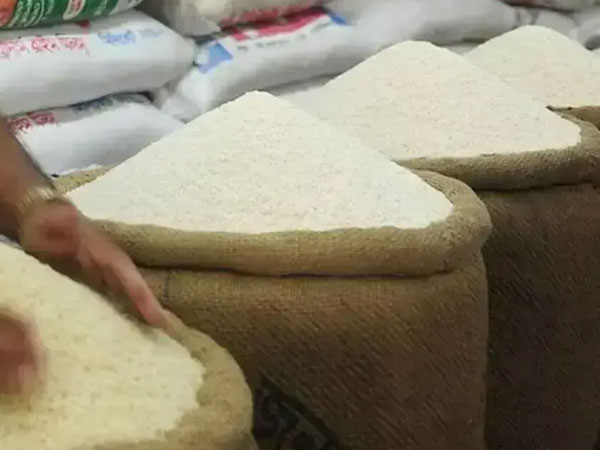
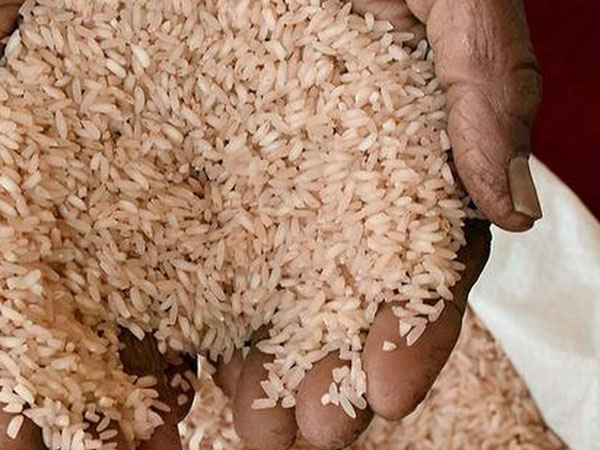
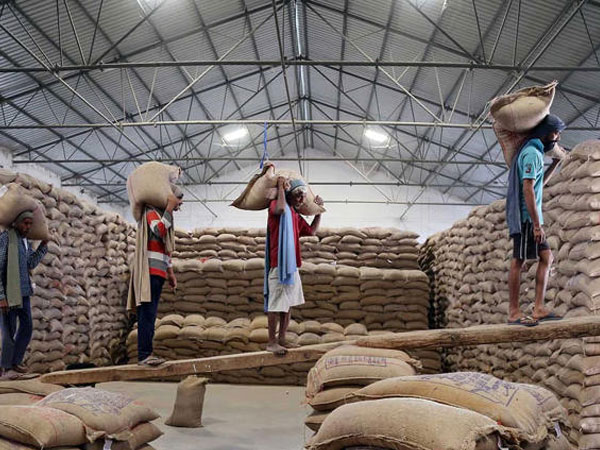
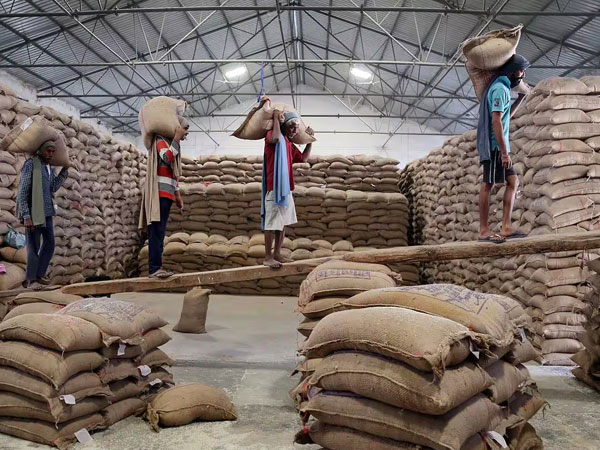
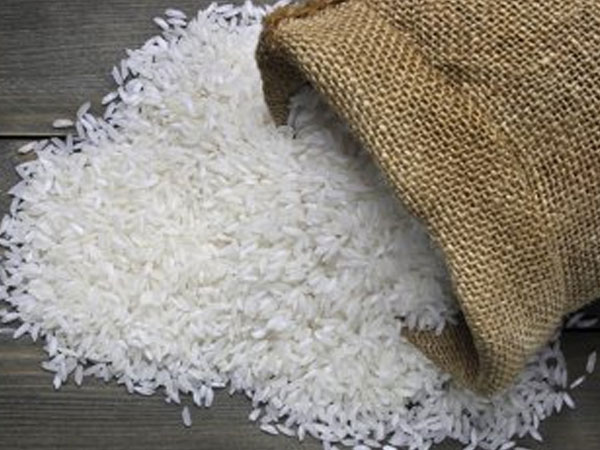
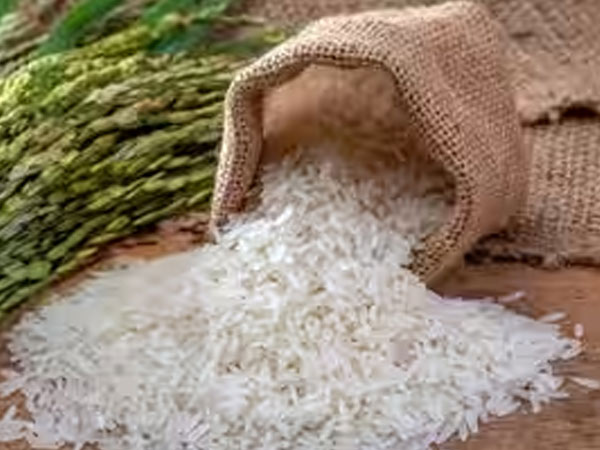
Imported rice arrivals rose to 2.22 million metric tons (MMT) as of end-May, as traders increased their purchases in preparation for the possible decline in local paddy output due to weather-related shocks.
Latest government data showed that rice imports jumped by 15.18 percent in January to May, from 1.93 MMT in the same period in 2025.
Agriculture Assistant Secretary Arnel de Mesa said the threats posed by El Niño and typhoons on local rice output likely drove the surge in foreign rice shipments.
“If we look at it, [rice imports] are quite high. There’s also a need to [prepare] for any problems that the El Niño could cause in our production,” De Mesa told reporters in a press briefing on Wednesday.
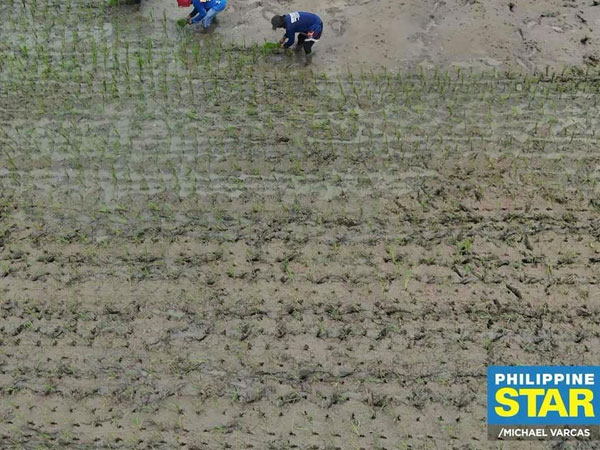
The Department of Agriculture (DA) recently projected that paddy rice output could fall by 700,000 metric tons (MT) should a strong El Niño hit the country this year.
The state weather bureau said last April that the probability of a moderate to strong El Niño in the last quarter of this year until early 2027 has risen to 92 percent.
“The projection was only for El Niño. If we’ll also consider the effect of typhoons, [we could lose] an additional 500,000 MT to 600,000 MT of [palay],” De Mesa said.
Earlier, the DA official said the country’s rice imports could reach a new record high as spikes in fertilizer and fuel prices and El Niño could cut palay output in 2026. Rice arrivals hit an all-time high of 4.81 MMT in 2024 due to severe dry spell.
Despite the surge in imports, retail rice prices still averaged P50 per kilo for local regular and well-milled rice, latest government monitoring showed.
De Mesa said high farmgate prices during the dry harvest season drove retail prices.
“That’s why the SRP [suggested retail price] being proposed for local rice is P53 per kilo, higher than that of imported rice.”
“We need to give a premium to the hardships of our farmers because if we lower the [SRP], the farmgate price will be affected. We don’t want that [to happen], because keeping their planting intentions is important.”
De Mesa added that encouraging farmers to continue planting is especially crucial at this time as they are now grappling with the spikes in the prices of critical farm inputs.
“We want to assure them that [farmgate] prices will remain profitable.”
The DA recently announced that the National Food Authority (NFA) will increase its buying price for dry palay to P27 per kilo in the wet season harvest in September.
Agriculture Secretary Francisco Tiu Laurel Jr., who chairs the NFA Council, said the move aims to shield planters from losses despite the spike in fertilizer and fuel prices.
“Even before harvest starts nationwide, the NFA will already set a buying price of P22 per kilo for wet palay and P27 per kilo for dry palay,” he said. “The goal is to set a benchmark for the industry and help ensure that farmers can earn a reasonable profit.”






© Copyright 2025 The SSResource Media.
All rights reserved.