

 Manila’s rice import curbs, tariff uncertainty and a standing trade imbalance are testing commercial ties
The Philippines’ push to lift bilateral trade with Vietnam to an ambitious US$10 billion for 2026 is running straight into an operational roadblock: Manila desperately needs Vietnamese rice to shore up its domestic supplies, but its habit of abruptly rewriting procurement rules is fracturing the trading corridor.
This policy volatility is testing the commercial boundaries of the relationship, just when political momentum is gaining steam. During the recent state visit of Vietnamese President To Lam to Manila, the two nations elevated their ties to an “enhanced strategic partnership”.
Yet, behind the diplomatic warmth, actual commerce is being stifled by a persistent trade imbalance, contract disputes, import policy swings on rice, and technical barriers that complicate planning for Vietnamese exporters.
Rice as the core commercial risk
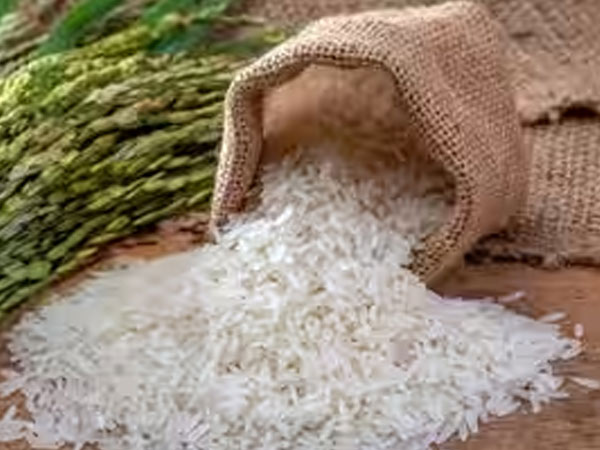
Rice remains the centrepiece and a volatile variable of the bilateral relationship: Manila relies heavily on Hanoi to ensure its national food security; Vietnam supplies 85.3 per cent of the Philippines’ total rice imports, which amounted to 1.7 million tonnes in mid-May this year.
This trade corridor is equally critical for Vietnam, since the Philippine market consumes 40 per cent of Vietnam’s total global rice exports.
However, this mutual dependency is plagued by sudden regulatory shifts.
The Philippines has repeatedly resorted to abrupt policy interventions to protect its domestic farmers. Manila imposed a 60-day import ban at the beginning of September 2025 to shield its local producers during the domestic harvest. The embargo was later extended to the end of December.
The suspension, granted under the amended Rice Tariffication Law, stemmed from a decline in local farm-gate prices following a bumper harvest and a flood of cheaper imports.
Manila’s sudden pivot broke the momentum of Vietnam’s export engine. The restriction caused Vietnamese rice exports to plunge in late 2025, contributing heavily to an 11.5 per cent annual drop in Vietnam’s total rice exports for the year.




© Copyright 2025 The SSResource Media.
All rights reserved.