

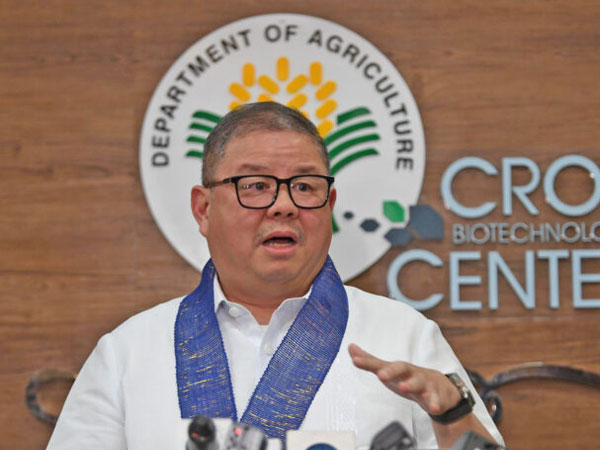
 Agriculture Secretary Francisco Tiu Laurel Jr. said Wednesday the Philippines will significantly reduce rice import requirements in the first quarter of 2026.
The country is set to lift its four-month rice import ban in early January, allowing the Bureau of Plant Industry to resume processing applications.
While some rice varieties continued to be imported during the moratorium, most commercial shipments were paused as the government assessed local production.
“While we value our traditional suppliers, food security is paramount, and diversifying our sources is vital,” Tiu Laurel said.
New field validations show domestic output remained strong despite several typhoons in the last quarter. Tiu Laurel said damage to standing crops was less severe than earlier projected, thanks to farmer resilience, improved disaster preparedness, and storm timing that spared key rice-producing areas.
The Department of Agriculture now projects a 2025 palay harvest of 19.61 million to 19.89 million metric tons, slightly below the earlier 20.46-million-ton target but close to the 2023 record of 20.06 million tons.
The forecast also exceeds the 2024 production of 19.09 million tons, indicating a robust rebound in rice output.
Tiu Laurel also addressed speculation from traditional rice-exporting countries expecting the Philippines to resume large-volume imports next year.
He warned that the government will prevent foreign suppliers from exploiting the country’s food security measures and encouraged private importers to diversify sources and seek partners that ensure stable pricing and long-term cooperation.
The DA will release an adjusted import matrix in the coming days, focusing on protecting farmgate prices and preventing predatory import practices.






© Copyright 2025 The SSResource Media.
All rights reserved.