

THE National Food Authority ( A) is seeking emergency powers to sell rice directly to the public, the agency‘s Administrator Larry Lacson told reporters late Monday.
This follows reports of long queues at Kadiwa ng Pangulo outlets selling P20-per-kilogram (kg) rice of the Benteng Bigas, Meron Na! program.
Lacson attributed this to the public‘s anxiety over a looming rise in food costs due to the war in Iran, which had already caused oil price hikes.
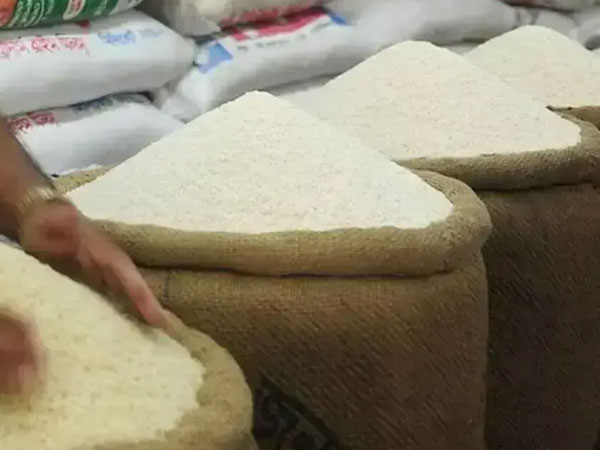
The usual process is that the A first buys palay (unmilled rice) from farmers at a support price, and then mills and stores it as part of the national buffer stock.
When the government decides to release rice during high prices or shortages, the A allocates or transfers stocks to the Department of Agriculture for policy direction and program oversight, and then to the Food Terminal Inc. for logistics, warehousing and retail rollout.
“For the meantime, while there is [an impending] crisis, the A should be allowed to sell directly to the market,” Lacson said, noting the value of cutting additional layers that rice goes through before reaching the public.
“There is no definite end time to what‘s happening in the Middle East, so the tendency of people is to secure food,” Lacson said.
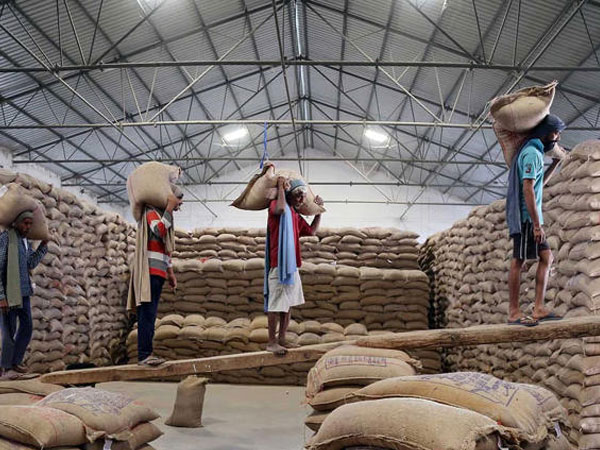
Selling rice directly to the public is quicker, since the A has 321 warehouses nationwide, Lacson noted, saying the plan is to offer the staple at P33/kg, the same price that FTI buys from A.
There is no need for people to worry, Lacson said, since the A has sufficient rice supply, even if demand for the P20/kg rice surges.
Currently, the A has 6 million bags of buffer stocks, equivalent to 10.3 days of national consumption. The agency continues to mill rice to replenish those being sold at Kadiwa ng Pangulo outlets.
Emergency powers would also accelerate milling and purchases, as well as improve logistics, Lacson said.
Regional auctions
Meanwhile, the A Council has approved the proposed regional auctions of its aged rice stocks, Lacson said.
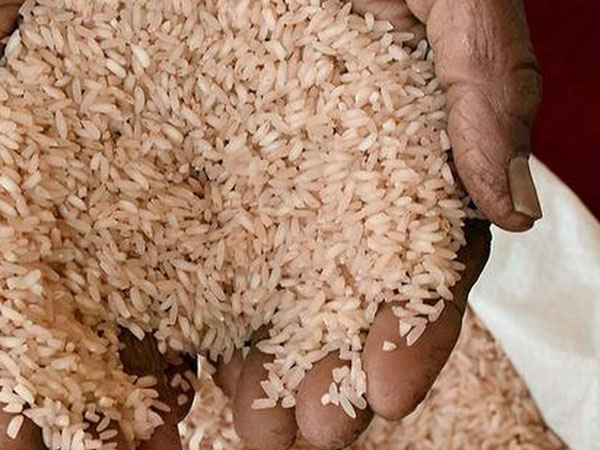
Aged or stored rice, which has been kept for six months to a year or more, often improves texture and flavor by reducing moisture.
At its auction last month, the A sold 90 percent of its aged rice stocks worth P963.5 million, surpassing its P912.4 million target for the entire lot.
The next auction will be held in April after the Holy Week.
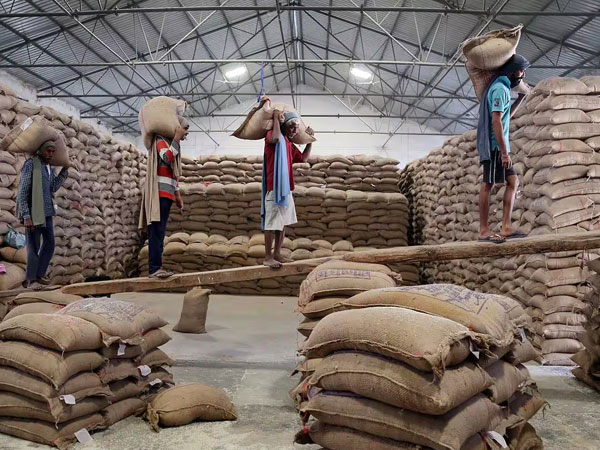
Rice auctions free up storage space in A warehouses, especially when the dry harvest season peaks between April and May.







© Copyright 2025 The SSResource Media.
All rights reserved.